Introduction: The Rise of Esports
Esports, short for electronic sports, has evolved from casual gaming into a global entertainment and professional phenomenon. Once considered a hobby or pastime, competitive gaming now attracts millions of players, fans, and investors worldwide. With professional leagues, major tournaments, and lucrative sponsorships, esports rivals traditional sports in scale and influence. The growth of esports demonstrates how technology, strategy, and community converge to create a dynamic industry that transcends borders, cultures, and generations.
The Early Days of Competitive Gaming
The history of esports dates back to the late 1970s and early 1980s when the first organized video game competitions were held in arcades and universities. Games like Pong and Space Invaders allowed players to compete for high scores, while tournaments for arcade classics such as Pac-Man and Donkey Kong laid the groundwork for organized competition. In the 1990s, the advent of multiplayer games like Street Fighter, StarCraft, and Counter-Strike created more structured competitive communities. These early developments set the foundation for esports, demonstrating that gaming could be both social and competitive.
Popular Esports Games and Genres
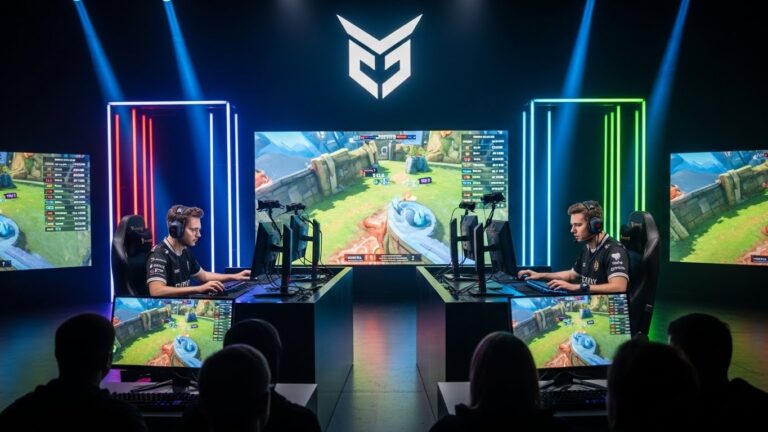
Esports spans a variety of game genres, each with its unique appeal and competitive structure. Multiplayer online battle arena games, or MOBAs, like League of Legends and Dota 2 emphasize strategy, teamwork, and timing. First-person shooters, including Counter-Strike: Global Offensive and Call of Duty, require precision, reflexes, and tactical thinking. Sports simulations such as FIFA and NBA 2K bring real-world athletic competition into the digital arena. Fighting games, including Tekken and Street Fighter, test individual skill, reflexes, and mental agility. Each game attracts dedicated fan communities and professional leagues, highlighting the diversity and inclusivity of esports.
Professional Esports Players and Teams
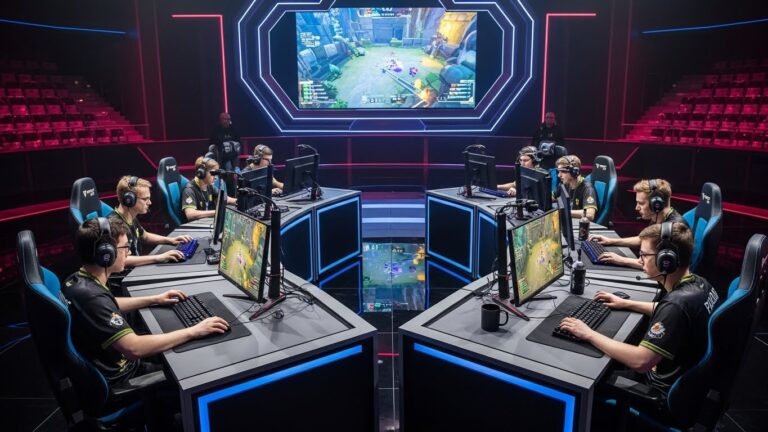
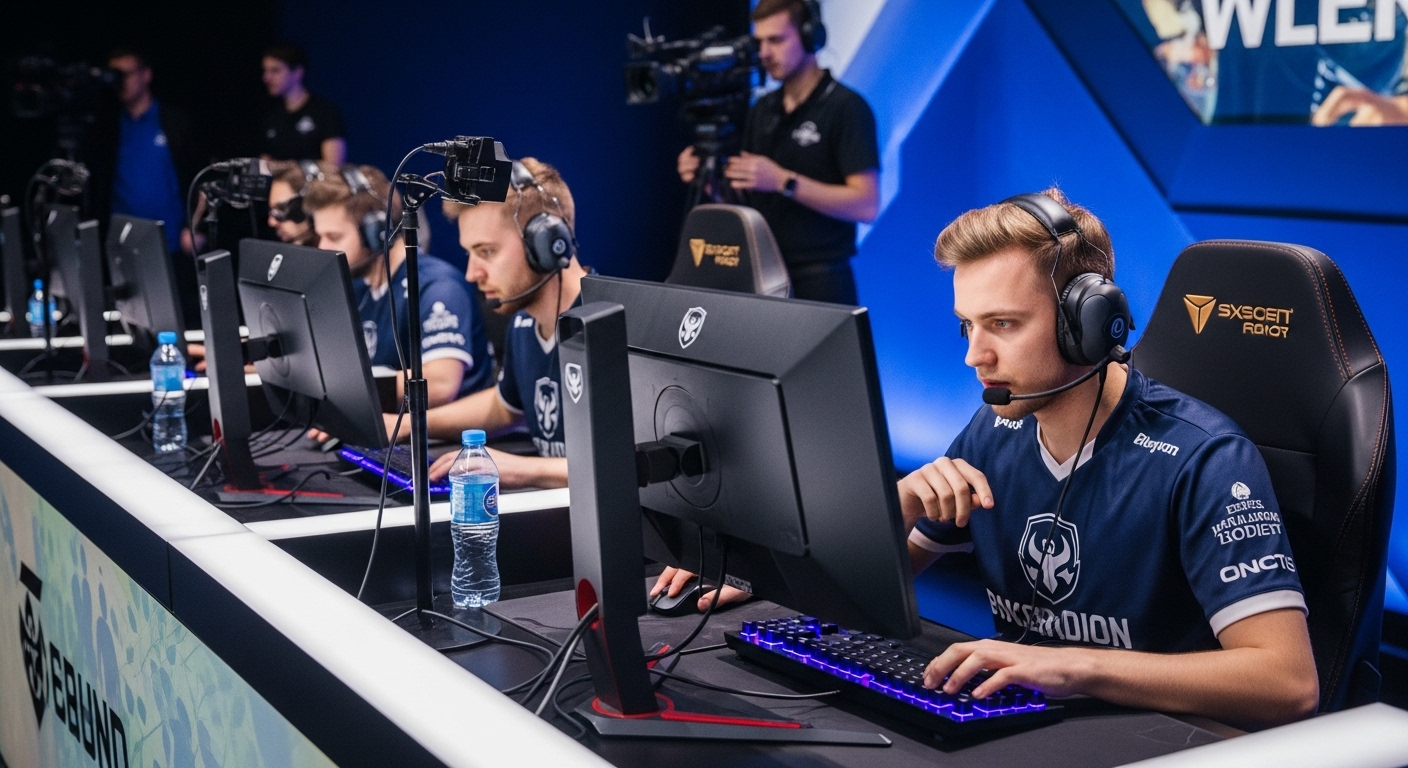
Professional esports mirrors traditional sports in its structure, with teams, coaches, managers, and analysts working together to maximize performance. Players dedicate long hours to training, strategy, and mental conditioning. Success relies on communication, coordination, and game intelligence rather than just reflexes. Top players achieve celebrity status, with fan followings that rival those of mainstream athletes. Organizations invest in gaming houses, training facilities, and advanced analytics to support their teams. This professionalization ensures that esports is not just entertainment but a legitimate career path for talented individuals.
Esports Tournaments and Championships
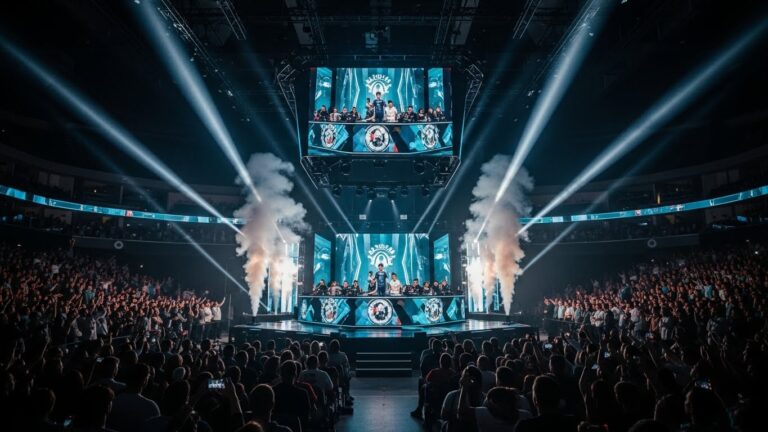
Tournaments form the heart of esports, offering players the opportunity to showcase their skills on a global stage. Major events such as The International for Dota 2, the League of Legends World Championship, and the Fortnite World Cup attract millions of viewers and offer multi-million-dollar prize pools. Esports leagues operate year-round, creating competitive seasons and fostering rivalries that engage fans. Tournaments provide a platform for cultural exchange, allowing players from different countries to compete and connect. The scale and organization of these events demonstrate the professional and commercial growth of esports worldwide.
Streaming Platforms and Fan Engagement
Streaming platforms like Twitch, YouTube Gaming, and Facebook Gaming have revolutionized how fans experience esports. Viewers can watch live matches, interact with players, and follow gaming personalities from anywhere in the world. Streamers engage communities by providing commentary, tutorials, and behind-the-scenes content, creating interactive and participatory experiences. Streaming has also democratized content creation, allowing amateur players to gain recognition and build fanbases. This direct connection between players and audiences strengthens community engagement and enhances the overall esports experience.
Training, Strategy, and Mental Preparation
Esports demands more than fast reflexes. Professional players undergo rigorous training that includes strategy planning, reviewing gameplay, and practicing specific skills. Mental preparation is equally important, with players using focus exercises and stress management techniques to maintain performance under pressure. Physical fitness contributes to endurance and reflexes, as long gaming sessions can be physically taxing. This holistic approach to training highlights the dedication and discipline required to succeed at the highest levels of competitive gaming.
The Economics of Esports
Esports has become a multi-billion-dollar industry, attracting sponsorships, advertising, merchandise sales, and media rights. Brands see esports as an effective way to reach younger, tech-savvy audiences. Revenue streams include tournament prize money, team sponsorships, event ticket sales, and streaming monetization. Investors and organizations continue to fund infrastructure, arenas, and digital platforms to support the industry’s growth. The financial expansion of esports underscores its legitimacy as both a commercial enterprise and a professional ecosystem.
Esports in Education
Esports is increasingly integrated into educational programs. Universities and colleges offer scholarships and academic courses related to competitive gaming. Schools include esports clubs and competitions as extracurricular activities, promoting teamwork, leadership, and strategic thinking. Research in esports education highlights benefits such as problem-solving, digital literacy, and community building. By combining entertainment with learning, esports offers young people pathways to develop skills while exploring potential careers in the gaming industry.
Social and Cultural Impact of Esports
Esports fosters community, inclusivity, and global connection. Online forums, social media, and streaming platforms allow players and fans to interact, share strategies, and form friendships across the world. The industry promotes collaboration, teamwork, and creativity, creating a culture centered on engagement and passion. Esports influences popular culture, inspiring fashion, music, and entertainment trends. Its international appeal demonstrates that competitive gaming is more than just playing—it is a cultural movement with a global audience.
Challenges in Esports
Despite its rapid growth, esports faces challenges that must be addressed for long-term sustainability. Player burnout, mental health pressures, and demanding schedules are ongoing concerns. Ensuring fair play, preventing cheating, and maintaining competitive integrity are constant priorities. The lack of standardized regulations across countries complicates player contracts and tournament organization. Smaller teams may struggle with funding and sponsorship, limiting opportunities for emerging talent. Addressing these challenges is essential for the continued credibility and growth of esports.
Technology Driving Esports
Technological advancements are central to esports’ development. High-performance hardware, fast internet, and powerful gaming software enable competitive gameplay at professional levels. Analytics and performance-tracking tools allow teams to refine strategies and measure progress. Emerging technologies like virtual reality, augmented reality, and artificial intelligence promise new ways to engage players and fans. Technology not only facilitates the gameplay itself but also enhances the viewing experience, making esports a continuously evolving industry.
Globalization of Esports
Esports has achieved remarkable global reach, connecting players and fans across continents. International tournaments bring together talent from different countries, fostering cultural exchange and collaboration. Organizations establish training academies and development programs worldwide to nurture emerging talent. This globalization strengthens esports as an industry and community, demonstrating its ability to unite diverse audiences under a shared passion for competitive gaming.
The Future of Esports
The future of esports is bright, with continued growth in technology, audience engagement, and professional opportunities. Virtual reality, augmented reality, and artificial intelligence will enhance both player and viewer experiences. Expansion into new regions, inclusion in educational programs, and broader recognition as a legitimate sport will elevate esports’ influence. With increasing investments, larger audiences, and innovative platforms, esports will continue to blur the lines between gaming, entertainment, and professional sports.
Conclusion: Esports as a Transformative Force
Esports has transformed from a hobby into a global industry that entertains, connects, and inspires millions. Professional players dedicate years to mastering skills, while fans engage through streaming platforms, tournaments, and online communities. Despite challenges, esports continues to grow, innovate, and gain recognition as a legitimate form of competition and entertainment. As technology advances and the global community expands, esports will play an increasingly important role in shaping digital culture, professional gaming, and the way people connect and compete in the modern world.
About the Author