In recent years, Esports has transformed from a niche hobby into a global entertainment and competitive industry. What started as small gatherings of friends playing video games for fun has now evolved into a multi-billion-dollar ecosystem, complete with professional leagues, sponsorships, and millions of fans worldwide. This blog delves into the history, development, impact, and future of Esports, exploring why it has become a cultural and economic powerhouse.
The Origins of Competitive Gaming
Competitive gaming has existed almost as long as video games themselves. In the late 1970s and early 1980s, players would compete in arcade games such as Space Invaders and Pac-Man, often seeking high scores to earn bragging rights. The concept of tournaments began to formalize in the 1980s with events like the Space Invaders Championship in 1980, which drew thousands of participants across the United States.
As gaming technology advanced, competitions became more structured. By the 1990s, the rise of home computers and early online gaming created opportunities for broader participation. Games such as Doom and Quake introduced online multiplayer experiences, paving the way for organized competitive play. College and university tournaments also began emerging, particularly in North America, which helped legitimize gaming as a competitive activity rather than just a hobby.
The Birth of Modern Esports
The 2000s marked a pivotal period in the history of Esports. The rise of games like StarCraft in South Korea brought competitive gaming into the mainstream. Professional players gained celebrity status, television networks broadcast tournaments, and sponsorships from tech companies and brands became common. South Korea, in particular, became the epicenter of competitive gaming culture, with professional teams, dedicated arenas, and rigorous training regimens that resembled traditional sports.
Simultaneously, the advent of broadband internet allowed for global competitions. Titles like Counter-Strike, Warcraft III, and later League of Legends provided fertile ground for international tournaments. Online platforms and streaming technology began connecting fans with players in real time, creating a sense of community and engagement that traditional sports could not always achieve.
The Structure of Esports Competitions
Esports competitions today are highly organized and professional. Unlike casual gaming, professional players and teams follow structured schedules, practice routines, and strategic planning. Tournaments can range from small online events to massive global championships with prize pools exceeding millions of dollars.
Games in the Esports scene are typically divided into genres, each with unique competitive structures. Multiplayer Online Battle Arenas (MOBAs) like League of Legends and Dota 2 focus on team strategy, map control, and resource management. First-Person Shooters (FPS) such as Counter-Strike: Global Offensive and Call of Duty prioritize reflexes, aim, and tactical coordination. Fighting games, racing simulators, and sports titles also have competitive communities, demonstrating the diversity within Esports.
Professional leagues, such as the Overwatch League and the League of Legends Championship Series, operate similarly to traditional sports leagues, with regular seasons, playoffs, and franchised teams. This professional structure not only increases competitiveness but also creates opportunities for sponsorships, merchandising, and fan engagement.
Esports as a Career Path
One of the most fascinating aspects of modern Esports is the rise of professional gaming as a viable career path. Top-tier players can earn substantial incomes from tournament winnings, sponsorships, streaming, and team salaries. In some countries, Esports athletes are recognized as professionals, allowing them access to visas and training facilities similar to traditional sports professionals.
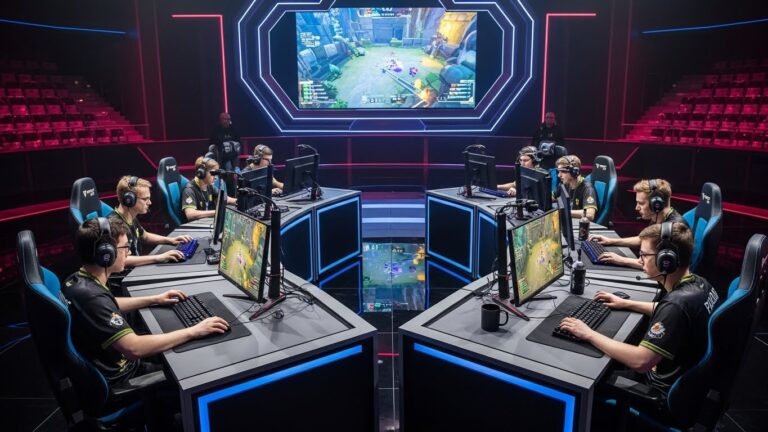
Training for Esports is intense. Players often practice for 8 to 12 hours a day, focusing not only on in-game mechanics but also on teamwork, strategy, and mental resilience. Coaching staff, analysts, and psychologists are increasingly involved in professional teams to ensure players maintain peak performance. Unlike casual gaming, the level of commitment required is comparable to that of elite athletes in sports like football or basketball.
Additionally, careers in Esports extend beyond playing. Commentators, coaches, event organizers, content creators, and marketers form an essential part of the ecosystem. The industry provides opportunities for creative, technical, and strategic skills to flourish, making Esports a multifaceted career landscape.
The Role of Streaming Platforms
Streaming platforms like Twitch, YouTube Gaming, and more recently, regional platforms such as Trovo and Nimo TV, have played a critical role in the growth of Esports. These platforms allow fans to watch live matches, interact with players, and participate in community discussions. Streaming not only increases accessibility but also generates revenue through subscriptions, advertisements, and sponsorships.
The relationship between players and audiences has created a new culture in gaming. Streamers can build personal brands, engage directly with fans, and create content that goes beyond competitive matches. This interaction has fostered a sense of belonging and loyalty among fans, driving the popularity of Esports across demographics.
The Economic Impact of Esports
Esports has become a significant economic force. In 2023, the global Esports industry generated billions in revenue through tournament prize pools, sponsorships, advertising, merchandising, and media rights. Companies across technology, entertainment, and consumer goods invest heavily in Esports, recognizing its potential to reach younger, digitally engaged audiences.
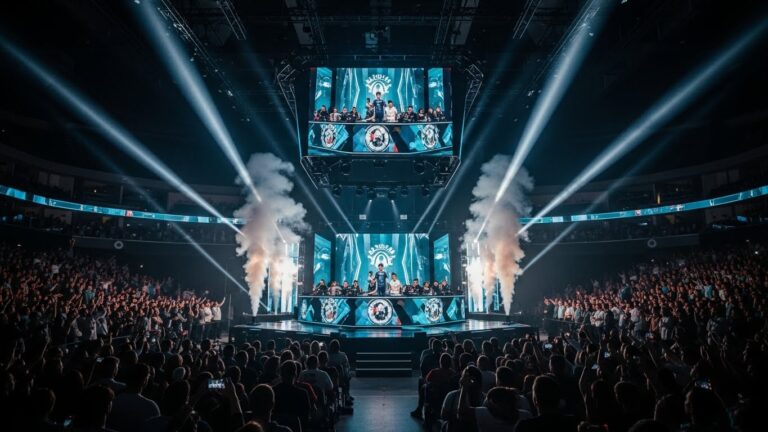
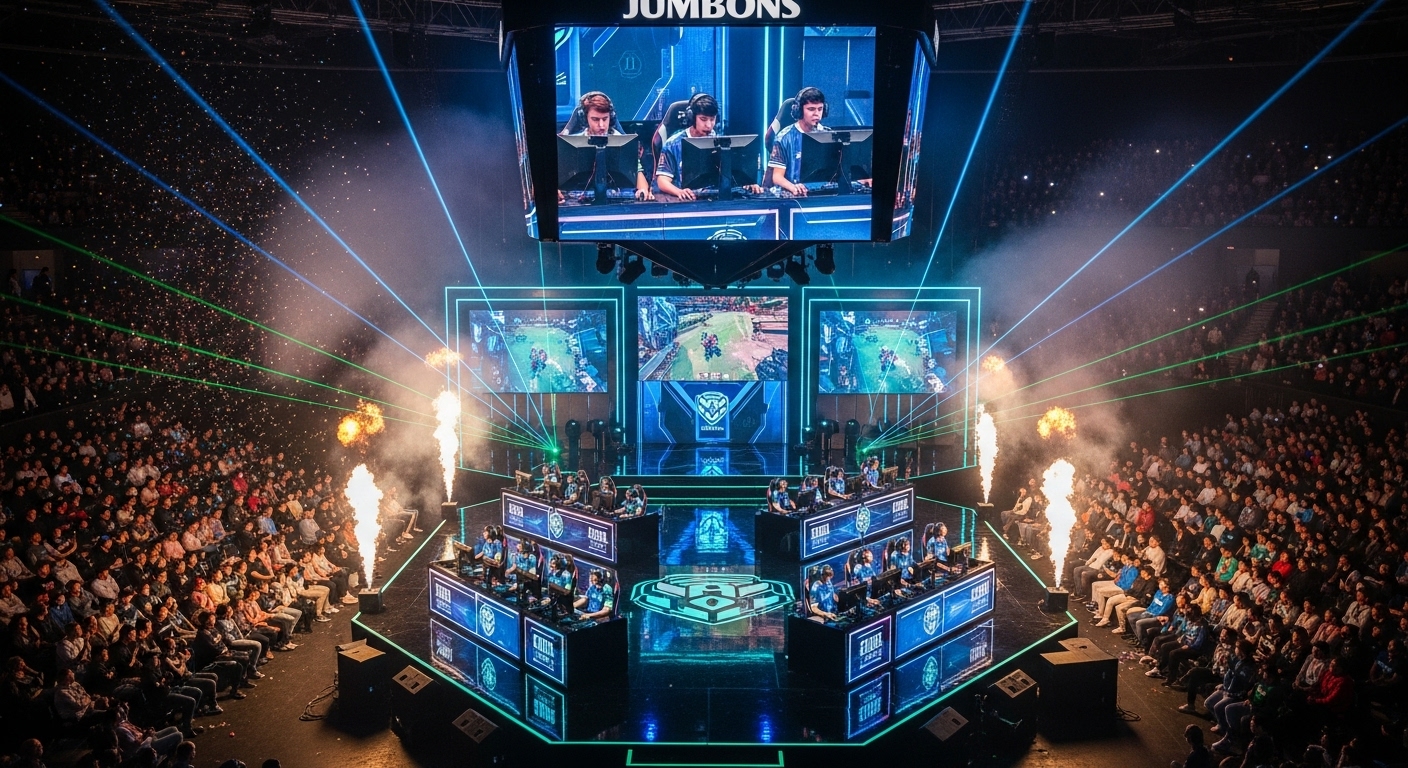
Major tournaments often take place in arenas capable of holding tens of thousands of spectators, with online viewership reaching millions simultaneously. Brands leverage these events to promote products, while teams and players earn revenue through endorsements and collaborations. The economic impact extends beyond the industry itself, influencing technology development, digital infrastructure, and youth engagement in digital careers.
Cultural Significance and Global Reach
Esports is no longer just a gaming phenomenon; it has cultural significance on a global scale. It has challenged traditional perceptions of sports, proving that competition, teamwork, and strategy are not limited to physical activity. Countries such as South Korea, China, the United States, and Germany have embraced Esports at the governmental and societal levels, integrating it into education, entertainment, and even tourism.
The cultural influence of Esports is evident in fashion, music, and media. Players become role models and influencers, shaping trends and inspiring younger generations. Esports tournaments have become major entertainment events, attracting celebrities, media coverage, and international attention. This integration into mainstream culture has solidified Esports as more than a passing trend.
Challenges Facing the Esports Industry
Despite its rapid growth, the Esports industry faces significant challenges. One major issue is the lack of standardized regulation and governance. While leagues and organizers attempt to maintain fair play, issues such as cheating, match-fixing, and player exploitation persist. Ensuring transparency and ethical standards is crucial for the long-term credibility of the industry.
Another challenge is player well-being. The intense demands of professional gaming can lead to burnout, mental health issues, and physical strain. Organizations are increasingly aware of these risks, providing support through counseling, physical training, and rest schedules, but balancing performance and health remains a critical concern.
Additionally, the sustainability of the Esports business model is still under scrutiny. While sponsorships and media rights are lucrative, overreliance on certain revenue streams can create instability. Diversification through merchandising, fan engagement, and content creation is necessary to maintain long-term growth.
The Future of Esports
The future of Esports looks promising, with continued growth expected across multiple dimensions. Technological advancements such as virtual reality, augmented reality, and artificial intelligence are likely to reshape gameplay, broadcasting, and fan interaction. Esports may evolve into immersive experiences that blend gaming, social interaction, and entertainment in unprecedented ways.
Education and professional development are also on the rise. Esports programs in schools and universities provide opportunities for scholarships, technical skill development, and career pathways. As societal recognition of Esports grows, we may see more formalized training, certifications, and career guidance for aspiring professionals.
Global expansion is another key trend. Emerging markets in Southeast Asia, Latin America, and Africa are seeing increased participation, both from players and fans. This expansion not only diversifies the competitive landscape but also drives investment in infrastructure, technology, and talent development.
Esports and Social Connection
Beyond competition and economics, Esports fosters social connections. Gaming communities provide spaces for collaboration, friendship, and cultural exchange. Online and offline events allow players and fans to interact, share experiences, and celebrate achievements. This sense of community is particularly significant for younger generations, offering a space where they can connect over shared interests and passions.
The social impact of Esports also extends to mental health and personal development. Players often develop strategic thinking, problem-solving skills, and teamwork abilities. For many, Esports serves as an outlet for creativity, self-expression, and personal growth, illustrating that competitive gaming has meaningful benefits beyond entertainment.
Conclusion
Esports has come a long way from its humble beginnings as casual gaming. Today, it is a global phenomenon, combining professional competition, entertainment, economic opportunity, and cultural significance. With millions of fans, substantial financial investment, and increasing societal recognition, Esports is not just a pastime—it is a legitimate, influential industry shaping the future of entertainment and sport.
The journey of Esports is ongoing, driven by innovation, community, and passion. As technology advances and global engagement grows, Esports will continue to redefine what it means to compete, connect, and celebrate gaming. From small tournaments in arcades to massive international events broadcast to millions, Esports proves that digital competition can inspire, challenge, and unite people across the world.
About the Author