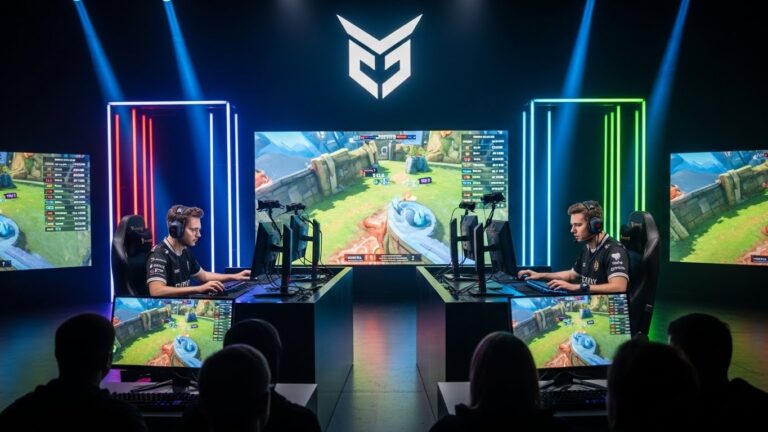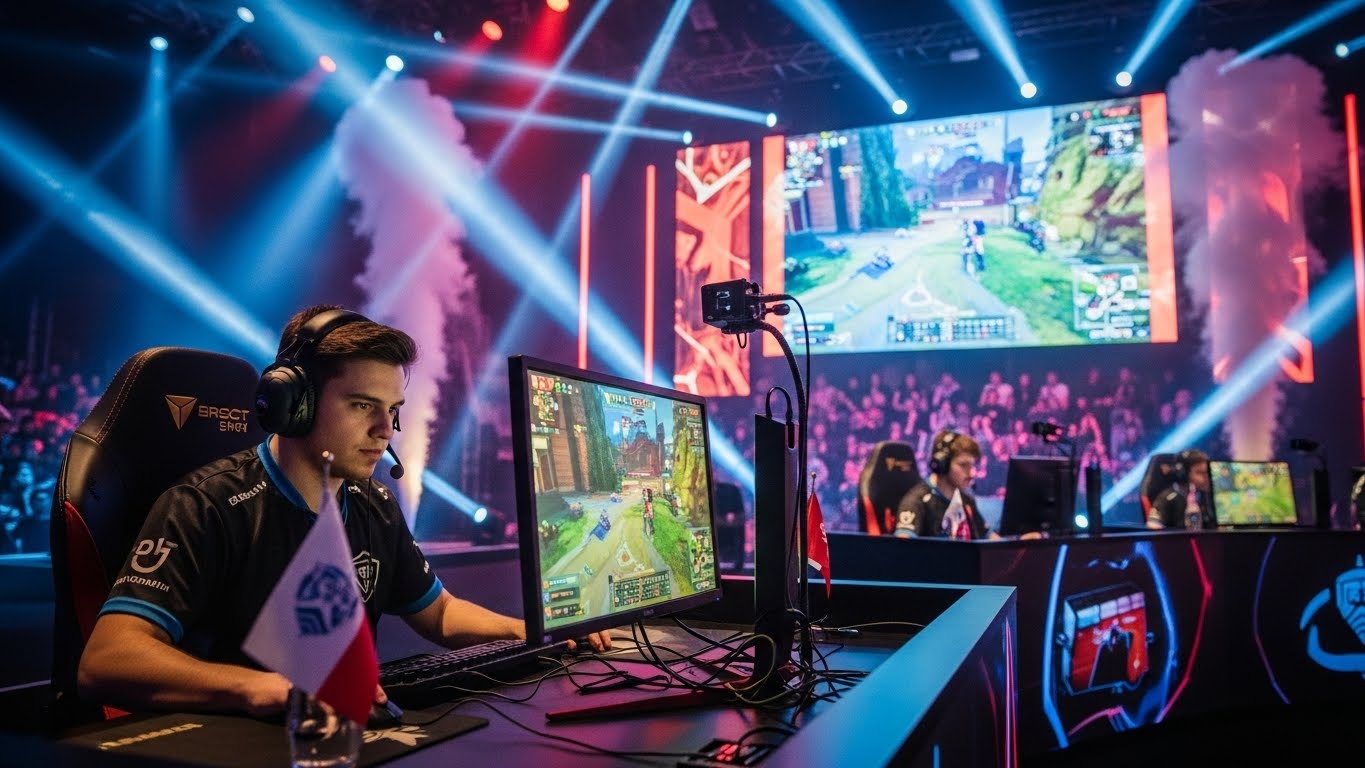
Esports has evolved from a niche hobby for a small group of enthusiasts into a global phenomenon that attracts millions of fans and generates billions of dollars annually. Once confined to local LAN tournaments, competitive gaming has now become a multi-billion-dollar industry, with professional teams, players, and events streamed worldwide. In this blog post, we’ll explore how esports has grown, the factors driving its popularity, and where it’s headed in the future.
The Origins of Esports
Esports, short for electronic sports, refers to competitive video gaming, where individuals or teams compete against each other in various games, often in front of live audiences or through online streaming platforms. Though competitive gaming has been around since the early days of video games, the term “esports” and its mainstream recognition didn’t truly take shape until the late 1990s and early 2000s.
The first major esports tournaments began with games like StarCraft and Quake, where players competed for small cash prizes. In the early 2000s, tournaments such as the World Cyber Games and Electronic Sports World Cup began to emerge. These events attracted attention from the gaming community, but the idea of esports as a major spectator sport was still in its infancy. Streaming platforms like Twitch and YouTube, however, were the catalysts that turned the once-small world of competitive gaming into a global industry.
The Growth of Esports: Key Drivers
Several factors have contributed to the explosive growth of esports over the last decade, transforming it into a multi-billion-dollar industry.
1. The Rise of Streaming Platforms
The arrival of streaming platforms like Twitch, YouTube Gaming, and Mixer (before its eventual shutdown) allowed players and teams to broadcast their gameplay to a global audience. These platforms allowed fans to follow their favorite players, watch live tournaments, and even interact with streamers through chats. This created a massive, engaged online community around esports.
Twitch, in particular, revolutionized the esports landscape by giving gamers a platform to not only watch but also participate in gaming culture. By offering live broadcasts of high-level competitive gaming, Twitch created a direct link between the professional players and their fans. The platform also opened up new monetization opportunities, such as paid subscriptions, sponsorships, and advertising revenue for streamers and esports organizations.
2. Globalization and Online Competitions
One of the biggest factors in esports’ rise to mainstream popularity is the ease with which people can access competitive gaming online. The advent of fast, reliable internet connections meant that players from around the world could compete against each other, regardless of geographic location. This accessibility expanded the player base, bringing in new talent from various corners of the globe.
Esports tournaments have increasingly become global events, attracting participants from different countries and cultures. Major competitions like League of Legends World Championship, The International (for Dota 2), and Fortnite World Cup are watched by millions of people worldwide. The accessibility of online play has also made it easier for anyone, from aspiring pro players to casual fans, to engage with esports and become part of its community.
3. The Emergence of Sponsorships and Brand Deals
As the viewership of esports has grown, so has its appeal to traditional sports sponsors and corporate brands. Major companies such as Coca-Cola, Intel, Red Bull, and Nike have started investing in esports, either by sponsoring tournaments or partnering with top players and teams. These sponsorships have helped provide the financial backing necessary for esports to thrive.
Additionally, esports teams have become recognizable brands in their own right. Teams like Team Liquid, Fnatic, and Cloud9 have not only garnered loyal fanbases but also signed endorsement deals with well-known brands. This has elevated esports to a level of recognition that was once reserved for traditional sports.
4. The Professionalization of Esports
As esports has gained in popularity, it has also become more professionalized. Competitive gaming has gone from being a hobby for a few players to a career for many. Professional players now sign contracts with organizations, receive salaries, and even participate in extensive training regimens. Esports organizations are structured similarly to traditional sports teams, with players, coaches, analysts, and managers all working together to create a winning formula.
Additionally, esports now features well-established leagues, such as the Overwatch League, Call of Duty League, and League of Legends European Championship, where teams compete in a regular season with playoffs and finals, much like traditional sports. The professionalization of esports has turned competitive gaming into a legitimate career path for those with the skills to compete at the highest level.
Popular Esports Games: A Diverse Range of Titles
One of the reasons for the widespread appeal of esports is the variety of games that have become competitive. While League of Legends and Dota 2 dominate the multiplayer online battle arena (MOBA) genre, games from many other genres are also popular in the esports scene.
MOBAs: The Pinnacle of Esports
MOBA games like League of Legends and Dota 2 are among the most-watched esports games in the world. Both games feature intense strategic gameplay, where teams of five players work together to destroy the opposing team’s base. These games have deep learning curves, ensuring that high-level play remains exciting and challenging for both players and viewers.
The League of Legends World Championship, often called “Worlds,” attracts millions of viewers every year. This event has become one of the largest esports tournaments globally, with prize pools that rival those of major traditional sports championships.
First-Person Shooters (FPS): The Thrill of Combat
FPS games such as Counter-Strike: Global Offensive (CS:GO), Overwatch, and Call of Duty have also carved out their place in the competitive gaming landscape. These games test players’ reflexes, accuracy, and tactical coordination, offering a different kind of excitement compared to MOBAs.
Tournaments for games like CS:GO feature teams from all over the world, battling it out in high-stakes matches that keep viewers on the edge of their seats. Overwatch League, in particular, has gained a massive following, with its blend of team-based strategy and fast-paced action.
Battle Royale: The Newest Esports Trend
In recent years, battle royale games like Fortnite and Apex Legends have taken the esports scene by storm. These games pit large groups of players against each other in a last-player-standing format, and their popularity has translated into high-stakes tournaments with massive prize pools.
The Fortnite World Cup, held in 2019, had a prize pool of $30 million, with the winner taking home a $3 million prize. The success of these tournaments has shown that battle royale games have the potential to become long-lasting esports staples.
Esports and the Future: What Lies Ahead?
While esports has already achieved remarkable success, the industry is still in its early stages. There is enormous potential for growth and innovation in the years to come. Several trends and developments suggest what the future may hold for competitive gaming.
1. The Integration of Virtual Reality (VR) and Augmented Reality (AR)
As technology continues to advance, we could see virtual reality (VR) and augmented reality (AR) games becoming a prominent part of esports. VR gaming has already made significant strides, with games like Beat Saber and Echo Arena showing the potential for immersive, competitive experiences. The integration of VR or AR into esports tournaments could create entirely new ways of experiencing gaming competitions.
2. Greater Investment in Infrastructure
Esports infrastructure is rapidly developing, with purpose-built arenas, training facilities, and broadcasting studios becoming more common. These venues provide high-end equipment for players and are equipped with advanced technology to support live broadcasts. As the industry continues to grow, expect to see more esports-specific arenas being built, designed to accommodate large audiences and provide an optimal viewing experience.
3. Esports in Schools and Universities
Esports is gradually being integrated into schools and universities, with several institutions offering scholarships and degree programs related to competitive gaming. This trend is helping to further legitimize esports as a legitimate career path and provides young gamers with opportunities to develop their skills in a structured, educational environment.
4. Increased Global Audience Reach
With the growth of internet access and the increasing popularity of online streaming, esports is poised to reach an even larger global audience. As more countries embrace gaming culture, we could see esports becoming an integral part of entertainment in regions that are currently underserved, such as parts of Africa, the Middle East, and Southeast Asia.
Conclusion
Esports has evolved from a fringe activity into a booming industry with worldwide recognition. With millions of fans, professional teams, and lucrative sponsorship deals, the future of competitive gaming looks incredibly promising. As technology continues to advance and more people embrace esports as both players and spectators, we are only beginning to scratch the surface of what esports can become.
Whether you’re a die-hard fan, a casual observer, or someone interested in pursuing a career in the industry, there’s no denying that esports is here to stay. From its humble beginnings to its present-day success, the rise of esports is a testament to the ever-growing influence of gaming in modern culture. The future of esports is bright, and it’s only going to get more exciting.
About the Author