Esports, or competitive video gaming, has evolved from a casual hobby into a worldwide phenomenon. What was once limited to basement tournaments and small online communities has transformed into a billion-dollar industry with professional leagues, massive global tournaments, and millions of dedicated fans. Esports is no longer merely a form of entertainment; it has become a cultural, social, and economic force that is reshaping the way people interact with technology and one another. This blog explores the rise of esports, its cultural significance, career opportunities, technological innovations, and the challenges it faces.
The Emergence of Esports
The origins of esports can be traced back to the early 1980s, when video game competitions began to gain traction. Early games like Space Invaders and Pac-Man saw players competing for high scores, often showcased on arcade leaderboards. The 1990s introduced multiplayer games such as Quake and StarCraft, which created a foundation for competitive online gaming communities. These early competitions laid the groundwork for modern esports.
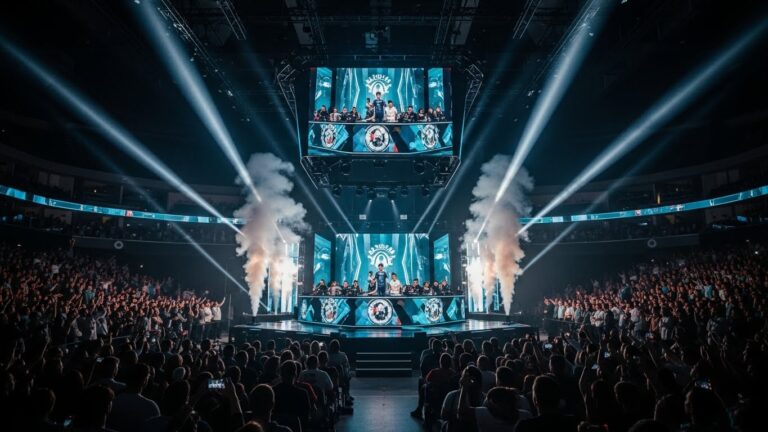
With advancements in internet connectivity and streaming technology, esports has grown into a global spectacle. Today, tournaments for games like League of Legends, Dota 2, Counter-Strike, Fortnite, and Valorant attract millions of viewers online and in stadiums worldwide. Professional players, sometimes called esports athletes, compete in structured leagues with defined seasons, playoffs, and championship events, elevating esports to a level comparable to traditional sports.
The accessibility of esports has also contributed to its growth. Unlike traditional sports, esports does not require physical prowess or extensive infrastructure. Gamers can participate with a personal computer, console, or even a smartphone. This inclusivity has allowed esports to attract players and fans from diverse backgrounds, cultures, and ages, contributing to its exponential rise.
The Physical and Mental Demands of Esports
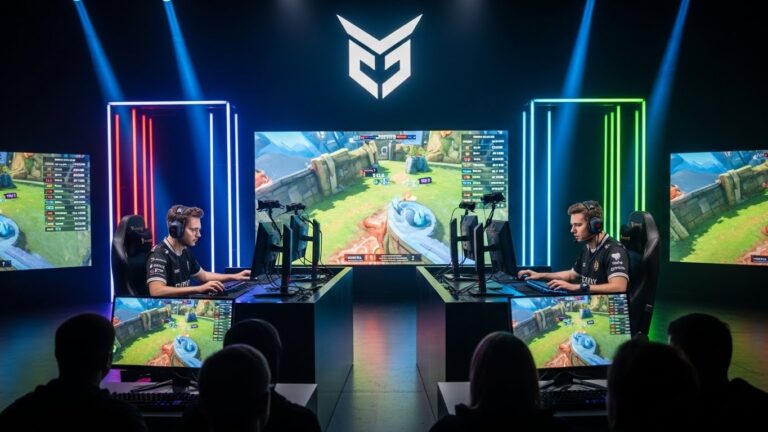
Despite common misconceptions, esports requires significant physical and mental conditioning. Professional players must maintain excellent hand-eye coordination, reflexes, and reaction times. Long training sessions, often exceeding eight hours daily, demand stamina and focus similar to that of traditional athletes. Precision, timing, and the ability to make split-second decisions under pressure are critical components of success in competitive gaming.
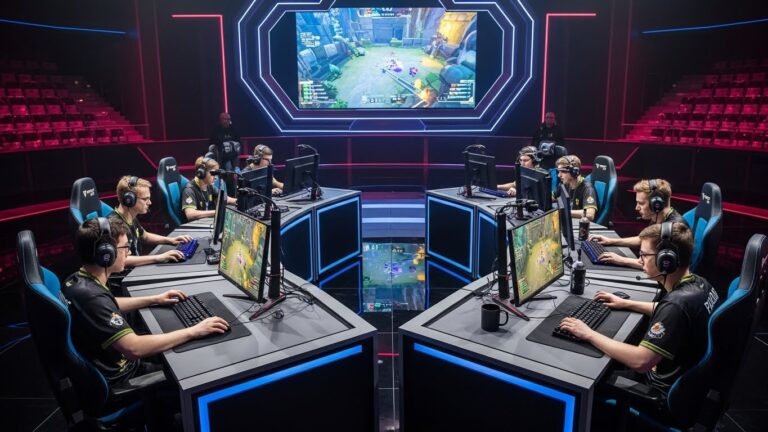
Mental endurance is equally important. Esports players must analyze rapidly changing game environments, anticipate opponents’ strategies, and execute complex maneuvers. Cognitive skills such as strategic thinking, problem-solving, spatial awareness, and memory are constantly exercised. Many professional teams employ coaches, analysts, and psychologists to support players’ mental health, ensuring peak performance during competitions.
Physical wellness is another vital aspect. Proper nutrition, sleep, and exercise help maintain energy levels and prevent repetitive strain injuries, such as carpal tunnel syndrome or back problems. Leading esports organizations increasingly integrate wellness programs to ensure that players’ bodies and minds remain healthy, allowing them to compete at the highest level.
Esports as a Social Platform
Esports is not only a competitive arena but also a social phenomenon. Multiplayer games encourage teamwork, communication, and collaboration among players. Online platforms allow individuals to connect across geographic boundaries, forming friendships, alliances, and communities. Many players describe gaming as a social activity as much as a competitive one, highlighting its role in fostering social interaction.
Streaming platforms like Twitch and YouTube Gaming have further amplified esports’ social impact. Streamers engage with fans in real-time, offering gameplay commentary, tutorials, and personal insights. This interactive experience creates a sense of community and participation, allowing viewers to feel connected to players, teams, and events. Esports communities often extend beyond gaming, engaging in discussions about culture, lifestyle, and shared interests.
International tournaments also promote cultural exchange. Players from different countries compete in global events, learning strategies and sharing experiences. Fans worldwide unite to celebrate achievements, forming a shared global culture that transcends language and national boundaries. Esports has thus become a unique space for social engagement and global connectivity.
Educational and Career Opportunities in Esports
Esports has created a wide range of educational and professional opportunities. Beyond playing competitively, careers exist in coaching, team management, content creation, marketing, broadcasting, analytics, event planning, and software development. Many universities and colleges now offer esports programs, scholarships, and degrees in areas such as game design, esports management, and digital media.
These programs help students develop skills relevant to the esports industry and other professional fields. Leadership, communication, teamwork, critical thinking, and time management are all cultivated through participation in esports. Students who engage in competitive gaming gain practical experience that can translate to careers in technology, media, marketing, and more.
Professional esports players can achieve significant financial success. Top-tier competitions offer multi-million-dollar prize pools, sponsorships, and streaming revenue. However, the ecosystem is broader than just players, encompassing content creators, analysts, coaches, commentators, and tournament organizers. This expansion demonstrates that esports is a sustainable industry with diverse career pathways.
Technological Innovations Driving Esports
Technology has been the driving force behind the rapid growth of esports. High-performance computers, gaming peripherals, and fast internet connections allow players to compete at professional levels. Streaming platforms have revolutionized the way audiences experience esports, providing real-time broadcasts, interactive chats, and multi-angle viewing options.
Emerging technologies, including virtual reality, augmented reality, and artificial intelligence, are beginning to shape the next generation of esports. VR and AR offer immersive gameplay experiences, while AI assists in performance analysis, strategy development, and training. Data analytics allows teams to study opponents’ tendencies, optimize player performance, and improve overall game strategies.
Esports broadcasting also continues to innovate. Multi-camera streams, instant replays, dynamic overlays, and fan interaction features enhance the viewing experience. Social media integration allows fans to connect with players and teams, creating highly engaged communities that extend beyond the games themselves.
Cultural Impact of Esports
Esports has significantly influenced global culture. Professional players are now recognized as celebrities, with large social media followings and personal brands. Merchandise, team apparel, and fan culture surrounding esports have created new industries and subcultures. Gaming events often incorporate music, cosplay, and entertainment, blending traditional sporting culture with digital creativity.
The industry promotes inclusivity, offering platforms for women, people with disabilities, and other underrepresented groups. Esports challenges traditional stereotypes about gaming, demonstrating that competitive gaming requires skill, strategy, and dedication. The cultural reach of esports also extends to advertising, media, and education, highlighting its transformative potential.
Esports has inspired creativity in game design and digital media. Competitive gaming encourages innovation in mechanics, storytelling, and strategy, influencing entertainment and technology industries. This dynamic interaction between gaming, culture, and creativity reinforces esports as a significant force in contemporary society.
Challenges Facing the Esports Industry
Despite its successes, esports faces several challenges. Player burnout, mental health concerns, and physical strain are prevalent due to the intense demands of professional gaming. Peak performance typically lasts only a few years, making long-term career sustainability difficult. Organizations are increasingly addressing these issues with wellness programs and mental health support.
Regulation and integrity are also critical concerns. Cheating, match-fixing, and unethical behavior can damage trust in competitive esports. Governing bodies and tournament organizers are implementing stricter rules and anti-cheating measures to ensure fair play.
Accessibility remains an issue. Not all players have equal access to high-quality equipment, reliable internet, or training resources, which can limit opportunities for talented individuals. Additionally, societal perceptions of gaming as a frivolous activity continue to affect support for aspiring players and professionals.
Finally, economic stability is a challenge for smaller teams and tournaments. While top-tier events generate substantial revenue, grassroots competitions often struggle financially. Balancing commercial interests with the integrity and inclusivity of esports is essential for long-term growth.
The Future of Esports
The future of esports is promising and multifaceted. Emerging technologies such as virtual reality, cloud gaming, and AI-driven analytics will continue to enhance gameplay and spectator experiences. Mobile esports and cross-platform competitions will expand accessibility, attracting wider audiences.
Educational programs and professional development initiatives will strengthen esports as a legitimate career path. More institutions offering degrees, scholarships, and certifications will help create sustainable opportunities for players, coaches, and industry professionals.
Esports may also redefine the concept of sports. By blending competition, skill, strategy, and technology, esports demonstrates that athleticism is not limited to physical ability. The rise of esports reflects broader societal trends toward digital engagement, global connectivity, and interactive entertainment.
Conclusion
Esports has transformed the landscape of entertainment, culture, and professional opportunities. From competitive gameplay to social interaction, technological innovation, and career pathways, esports impacts millions of lives worldwide. It challenges traditional notions of sports, promotes inclusivity, and inspires creativity across industries.
While challenges like player burnout, regulation, and accessibility remain, the growth of esports indicates a promising future. By embracing the opportunities offered by digital competition, esports can continue to foster skill development, global connectivity, and cultural exchange. The evolution of esports reflects the power of gaming as a force for community, innovation, and personal achievement, solidifying its place as a defining phenomenon of the digital age.
About the Author