The landscape of entertainment has been transformed dramatically in recent years, and at the forefront of this change is esports. What was once considered a niche pastime has evolved into a global phenomenon, captivating millions of players and viewers worldwide. Esports, short for electronic sports, combines the thrill of traditional competition with the innovation and interactivity of video games. It is a professional industry, a cultural movement, and a social experience that is redefining how people engage with games and digital media.
Understanding Esports
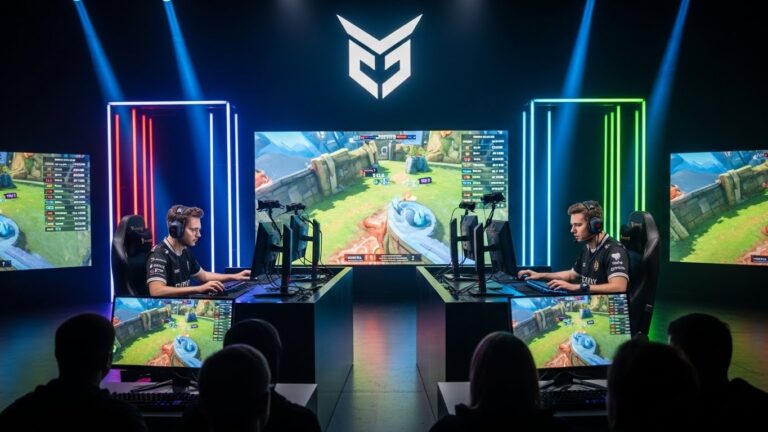
Esports is organized competitive gaming, often involving professional players, teams, and leagues. Unlike casual gaming, it requires rigorous practice, strategic thinking, and precise coordination. Competitions are held at local, regional, and international levels, with some tournaments offering prize pools worth millions of dollars. Popular games in the esports ecosystem include titles such as League of Legends, Dota 2, Counter-Strike: Global Offensive, Fortnite, and Call of Duty.
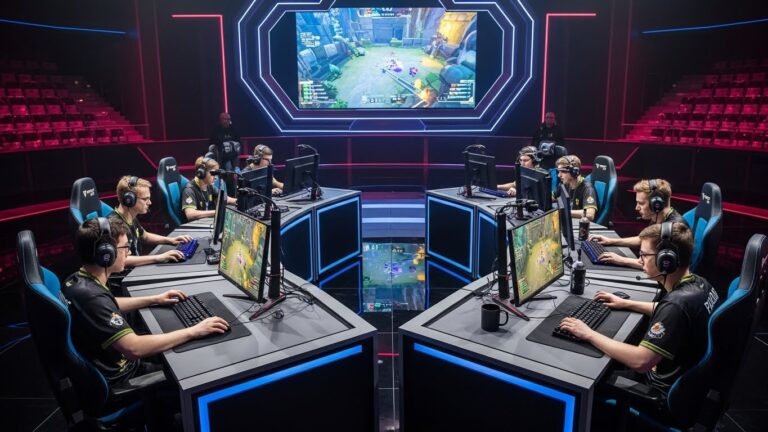
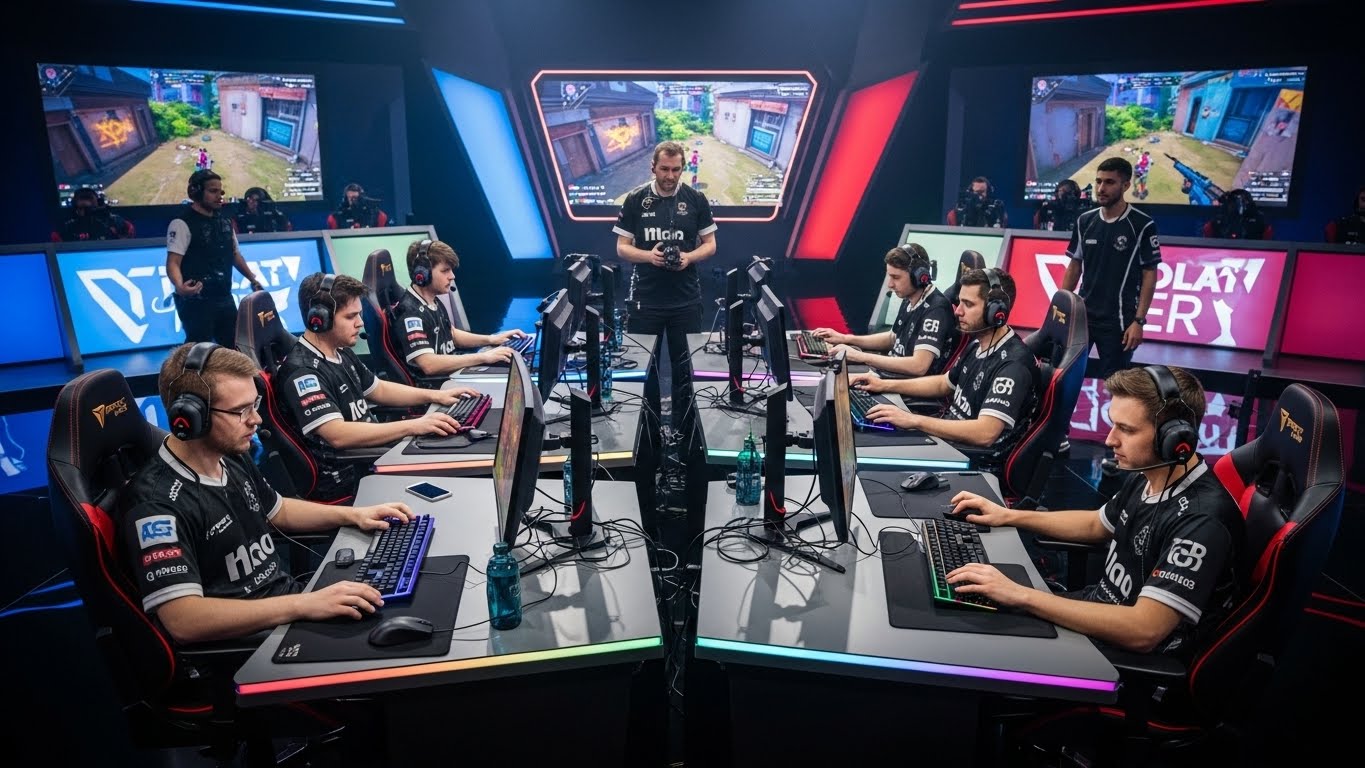
Professional esports players train extensively, just like athletes in traditional sports. They work with coaches, analysts, and support staff to refine strategies, improve reaction times, and maintain peak performance. The structured nature of esports ensures that skill, dedication, and teamwork determine success, making it a legitimate competitive field with measurable outcomes.
The Growth of Esports
Esports has grown rapidly over the last decade. Initially, competitive gaming was limited to small tournaments or community gatherings. However, the rise of high-speed internet, streaming platforms, and advanced gaming technology has transformed esports into a mainstream industry. Major events now attract millions of viewers worldwide, with live streams, commentary, and fan interactions creating an immersive entertainment experience.
The growth of esports is fueled by several factors. Accessibility is key: anyone with a computer, console, or mobile device can participate or spectate. Social engagement, interactive experiences, and global connectivity make esports appealing to a wide demographic. Esports also resonates with younger audiences who are accustomed to digital entertainment and interactivity, positioning it as a cultural touchstone for a new generation.
The Popularity of Esports
The popularity of esports lies in its accessibility, competitiveness, and social aspects. Unlike traditional sports that require physical infrastructure, esports can be played and watched from virtually anywhere. Streaming platforms allow fans to follow tournaments live, interact with commentators, and engage with global communities.
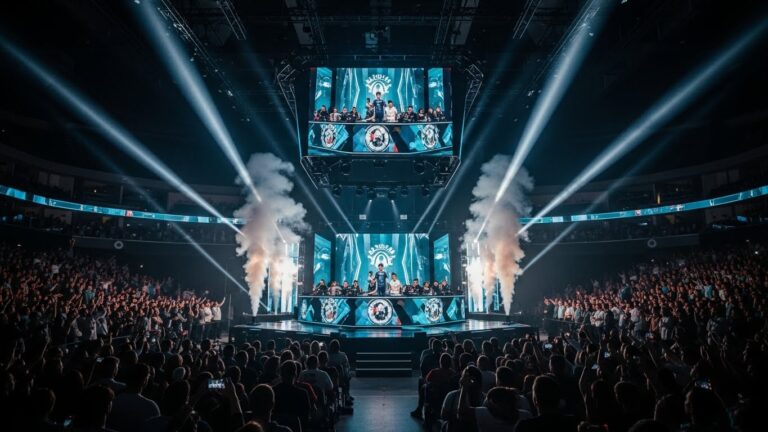
The social dimension of esports is equally important. Fans form communities around games, teams, and players, sharing experiences, strategies, and support. Multiplayer games create opportunities for collaboration and competition, fostering a sense of belonging. Esports has also gained legitimacy as a spectator sport, with stadiums and arenas hosting live events that rival traditional sports in scale and excitement.
Economic Impact of Esports
Esports has evolved into a multi-billion-dollar industry with significant economic implications. Revenue streams include tournament prize pools, sponsorships, advertising, merchandise, media rights, and digital content creation. Professional teams operate like traditional sports franchises, employing players, coaches, analysts, and marketing staff.
The industry also supports ancillary markets. Hardware manufacturers, game developers, streaming platforms, marketing agencies, and event organizers all benefit from esports’ expansion. Emerging markets around the world are contributing to growth, making esports a truly global economic force. Investors and sponsors increasingly view esports as a viable and profitable sector, fueling further innovation and infrastructure development.
Technology and Esports
Technology is at the heart of esports. High-performance hardware, fast internet connectivity, and advanced game software are essential for competitive play. Streaming platforms allow audiences to watch live events in real time, complete with commentary, overlays, and interactive features that enhance engagement.
Virtual reality and augmented reality are beginning to influence esports, creating immersive environments for both players and viewers. Artificial intelligence is also playing a role, helping teams analyze performance, strategize effectively, and adapt to opponents’ tactics. These technological innovations ensure that esports continues to evolve, offering new experiences and challenges for players and fans alike.
Cultural Significance of Esports
Esports has transcended the boundaries of gaming to become a cultural phenomenon. Once dismissed as a niche hobby, competitive gaming is now recognized by mainstream media, educational institutions, and global brands. Universities offer esports scholarships and programs, providing students with opportunities to pursue professional careers in gaming.
Esports also shapes cultural trends, influencing fashion, music, social media, and lifestyle. Fans follow teams and players not just for their skills but also for their personalities, branding, and content. Esports fosters a global culture where collaboration, competition, and creativity intersect, reflecting the interconnected nature of the digital age.
Career Opportunities in Esports
Esports offers a diverse range of career paths beyond competitive play. Professional players are the most visible, but the industry also requires coaches, analysts, managers, event organizers, commentators, and content creators. Skills in communication, strategy, technology, and business are highly valued.
Many professional players transition to other roles after their competitive careers, such as coaching, streaming, or brand ambassadorship. The structured ecosystem of esports provides long-term opportunities for growth, innovation, and professional development, making it a sustainable industry for those passionate about gaming.
Challenges in Esports
Despite its rapid growth, esports faces several challenges. Player well-being is a major concern. Competitive gaming demands long hours of practice, mental focus, and physical endurance, which can lead to burnout, stress, and health issues. Organizations are increasingly emphasizing mental health support, physical fitness, and balanced training regimens to protect players.
Regulation and governance are other challenges. Unlike traditional sports with established governing bodies, esports lacks uniform standards across regions and games. Intellectual property, cheating, online harassment, and contract disputes are ongoing concerns that require oversight and professionalization. Establishing consistent rules, ethical guidelines, and fair competition is essential for the sustainable growth of esports.
The Future of Esports
The future of esports looks promising, with continued expansion, technological innovation, and mainstream integration. Mobile esports is rapidly gaining popularity, allowing players to compete on smartphones and tablets, making competitive gaming more accessible than ever. Cloud gaming and high-speed internet will further enable seamless, high-quality experiences for players and viewers.
Esports is also expected to merge further with traditional media, entertainment, and education. Sponsorship, branding, and advertising opportunities will continue to grow as global audiences expand. Virtual and augmented reality may redefine both gameplay and spectator experiences, creating interactive and immersive worlds that blur the line between reality and gaming.
Esports as a Global Phenomenon
Esports is truly global. Competitions are held across continents, and teams often include international players. Streaming platforms enable fans worldwide to participate in shared experiences, watch tournaments, and interact with communities. The global reach of esports fosters cross-cultural exchange, collaboration, and understanding, making it a unifying force in digital entertainment.
Major esports events attract millions of viewers, rivaling traditional sports broadcasts in popularity. Cities around the world host large-scale tournaments, complete with stadiums, live audiences, and fan festivals. This global appeal highlights esports’ influence and its capacity to bring together diverse audiences through a shared passion for competitive gaming.
Conclusion: The Transformative Power of Esports
Esports has evolved from a niche hobby into a professional industry, cultural movement, and global form of entertainment. It combines technology, competition, and social interaction to create experiences that rival traditional sports in excitement, engagement, and economic impact.
As esports continues to grow, it will offer new opportunities for players, fans, and businesses. It represents a unique convergence of competition, creativity, and community, redefining how people play, watch, and interact with games. Esports is more than just video games—it is a revolution, a cultural phenomenon, and a transformative force in modern entertainment.
The rise of esports illustrates the potential of digital competition to reshape culture, connect people worldwide, and inspire innovation. Its influence will continue to expand, shaping the future of entertainment, technology, and global engagement for generations to come.
About the Author