Introduction to Esports
Esports, short for electronic sports, has emerged as one of the most significant entertainment phenomena of the 21st century. What started as casual gaming competitions among friends has grown into a global industry, with professional leagues, multimillion-dollar tournaments, and millions of dedicated fans. Competitive gaming now rivals traditional sports in both viewership and cultural influence, establishing itself as a legitimate form of professional competition.
The rise of esports reflects broader trends in technology, media consumption, and youth culture. Online connectivity, streaming platforms, and interactive content have transformed gaming into a social and professional pursuit. Today, esports is not just about playing games—it is a career path, a community, and a thriving global ecosystem.
The History and Evolution of Esports
The roots of esports can be traced back to the early 1980s when arcade competitions and home video game tournaments first appeared. Players competed for high scores in classic games such as Pac-Man and Space Invaders. While modest by today’s standards, these competitions introduced the concept of organized gaming as a competitive activity.
The 1990s saw the rise of multiplayer PC games like StarCraft and Counter-Strike, which laid the foundation for modern esports. Internet connectivity allowed players to compete globally, leading to the establishment of professional leagues and local gaming communities. The 2000s brought major tournaments and sponsorships, marking esports’ transition from hobbyist gatherings to structured, professional competitions.
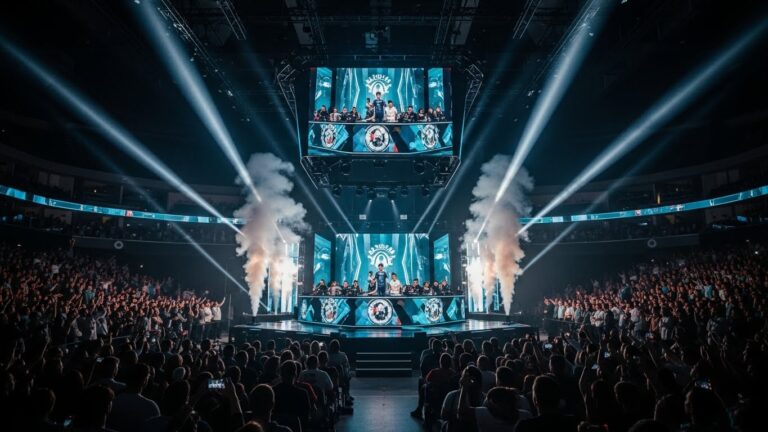
In the 2010s, streaming platforms revolutionized how audiences consumed esports. Millions of viewers could watch live matches online, interact with commentators, and engage with communities. Today, esports tournaments attract global audiences, fill stadiums, and offer prize pools worth millions of dollars.
Popular Esports Genres and Games
Esports encompasses a wide variety of game genres, each appealing to different player skills and audience preferences. Some of the most popular genres include:
Multiplayer Online Battle Arena Games
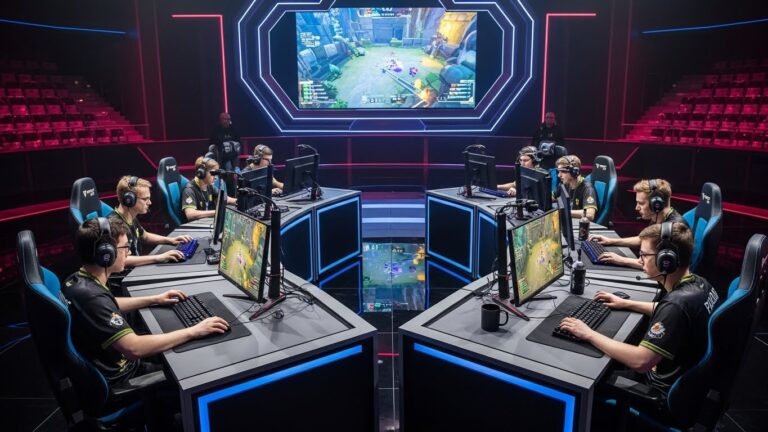
MOBA games emphasize teamwork, strategy, and skillful execution. Teams compete in objective-based matches, often involving complex character abilities and strategic decision-making. MOBAs are among the most-viewed esports categories due to their fast-paced and tactical gameplay.
First-Person Shooters
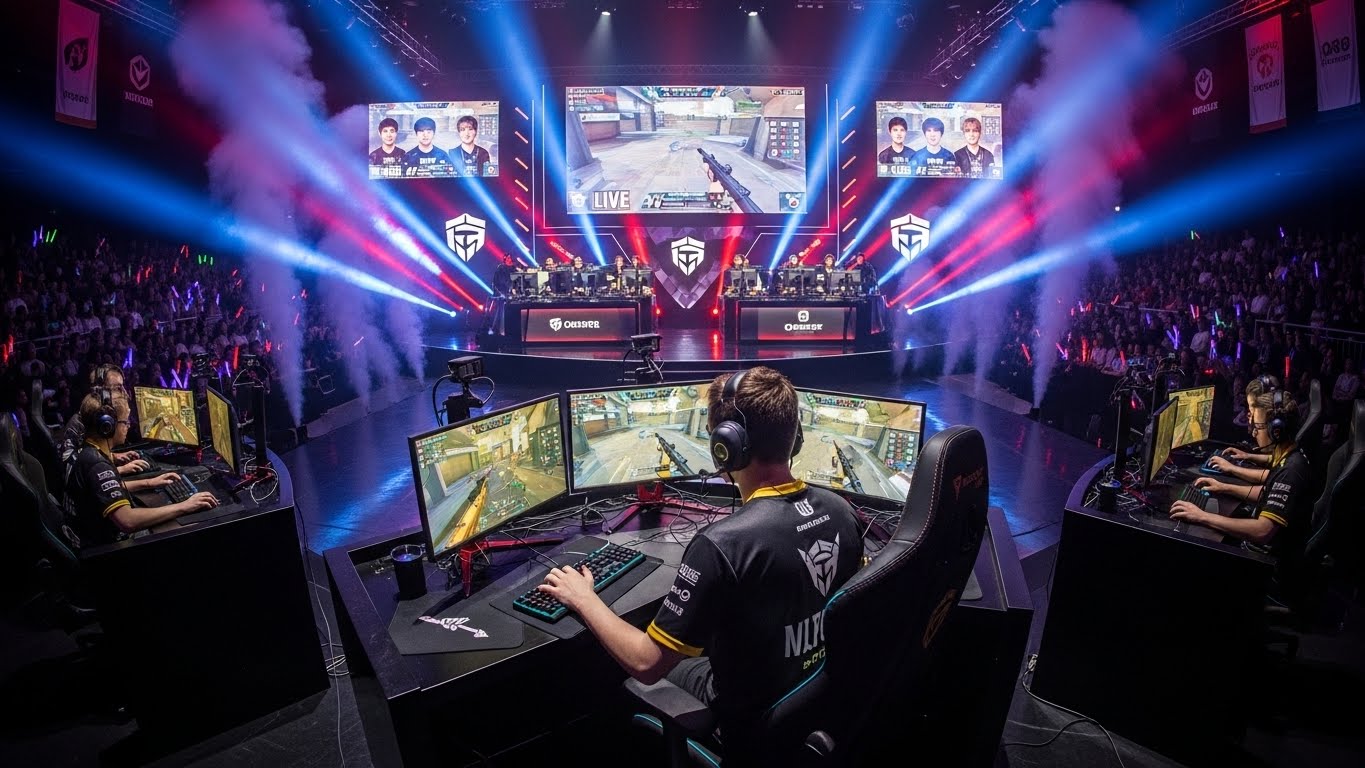
FPS games focus on precision, reflexes, and teamwork. Players engage in competitive matches requiring quick thinking, aiming accuracy, and strategic planning. Titles in this genre have large fan followings because of their intensity and high adrenaline gameplay.
Battle Royale Games
Battle royale titles involve large numbers of players competing to be the last person or team standing. The combination of strategy, survival, and unpredictability makes this genre highly engaging for both players and spectators.
Sports Simulation Games
Sports games digitally replicate real-life sports, from football and basketball to racing. Competitors test their skills in virtual environments, attracting fans who enjoy the realism and strategy of these simulations.
Fighting Games
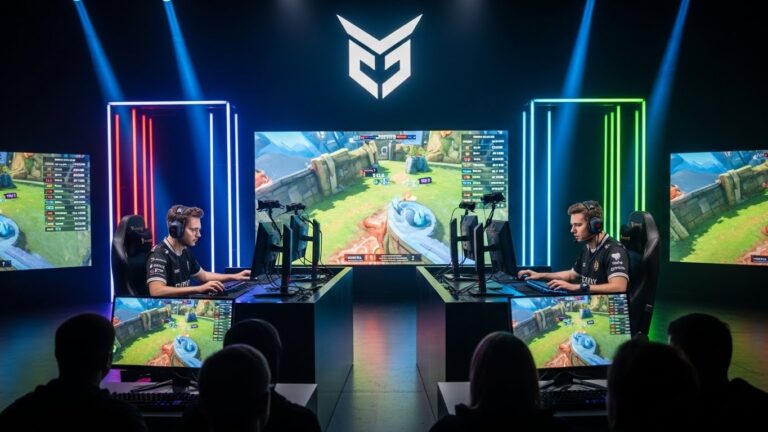
Fighting games are known for intense one-on-one matchups requiring precise timing and mastery of characters’ moves. Competitive fighting tournaments often highlight dramatic moments and high-level skill.
Why Esports Has Become So Popular
The popularity of esports can be attributed to a combination of accessibility, community engagement, and professional skill development.
Global Accessibility
Esports allows anyone with an internet connection to participate or watch competitions. Unlike traditional sports, players are not constrained by geographic location or physical limitations, making the industry more inclusive and far-reaching.
Thriving Communities
Esports fosters communities where fans and players interact, share strategies, and celebrate achievements. Online forums, streaming chats, and social media have created a sense of belonging and shared excitement that enhances fan loyalty.
Professional Skill and Strategy
Competitive players dedicate extensive hours to mastering their craft. High-level esports requires reflexes, teamwork, and strategic thinking, creating an elite class of digital athletes. Spectators enjoy watching these professionals execute complex strategies under pressure.
Spectacle and Entertainment
Esports combines athleticism with entertainment. Live events feature professional commentary, visually impressive arenas, and dramatic storylines. The excitement of close matches, unexpected outcomes, and high-stakes tournaments keeps audiences engaged worldwide.
Professional Esports Players and Teams
Professional esports players are akin to traditional athletes in their training, discipline, and lifestyle. Many practice for several hours each day to enhance mechanical skills, communication, and strategic understanding. Teams often include coaches, analysts, nutritionists, and mental health professionals to optimize performance.
Esports careers extend beyond competition. Players can become streamers, content creators, or analysts. Many retired competitors transition to coaching or managing esports organizations. The industry’s growing infrastructure provides opportunities for diverse professional paths.
The Economic Impact of Esports
Esports has developed into a multi-billion-dollar global industry. Revenue comes from sponsorships, advertising, ticket sales, merchandise, media rights, and streaming subscriptions. Major corporations sponsor teams, tournaments, and events to reach young, tech-savvy audiences.
Streaming platforms are key revenue drivers, providing live broadcasts that attract millions of viewers. Esports events generate significant tourism and local economic activity, from stadium bookings to hospitality services. This economic footprint demonstrates that esports is more than entertainment; it is a powerful business ecosystem.
Technology Driving Esports Growth
Technological advancements have been instrumental in the growth of esports. High-speed internet enables global online competition, while powerful hardware ensures smooth gameplay. Streaming platforms allow live interaction between players and audiences, creating immersive experiences.
Emerging technologies such as virtual reality and cloud gaming promise to expand esports further. VR can create fully immersive competitive experiences, while cloud gaming allows players to access high-quality games without expensive hardware, increasing accessibility worldwide.
Esports and Youth Culture
Esports has become a significant influence on youth culture. Many young people look up to professional players as role models, much like traditional athletes. Competitive gaming encourages teamwork, strategic thinking, and problem-solving, making it both entertaining and educational.
Schools and universities now offer esports programs and scholarships, recognizing competitive gaming as a legitimate pursuit. These initiatives promote skill development, digital literacy, and community engagement, further embedding esports into mainstream culture.
Challenges Facing Esports
Despite rapid growth, esports faces several challenges:
Player Health and Wellbeing
Long hours of practice and competition can lead to physical and mental health issues, including eye strain, repetitive strain injuries, and burnout. Teams and organizations are increasingly focusing on balanced schedules and support systems.
Maintaining Competitive Integrity
Fair competition is essential to the credibility of esports. Anti-cheating systems, tournament regulations, and standardized rules are necessary to ensure legitimacy and maintain audience trust.
Regulatory Complexity
Different regions have varying laws and regulations affecting esports, from gambling restrictions to labor laws. Coordinating global competitions requires careful navigation of these legal frameworks.
Financial Sustainability
Not all teams and players achieve financial stability. Esports organizations must balance investment, sponsorships, and operational costs to ensure long-term sustainability.
The Future of Esports
Esports is poised for continued growth, driven by technology, audience engagement, and global interest. Some key trends shaping the future include:
Expansion of International Competitions
Global tournaments will grow in scale and prestige, attracting larger audiences and increasing prize pools. Esports events may rival traditional sports events in both cultural significance and spectacle.
Integration with Traditional Media
Esports is increasingly crossing into mainstream media, appearing on television, streaming platforms, and news coverage, creating broader awareness and legitimacy.
Mobile Esports Growth
Mobile gaming is expanding competitive play in regions where PC or console access is limited. Mobile esports makes participation accessible and democratizes the industry further.
Innovation in Game Design
Developers are creating games specifically for competitive play, optimizing balance, spectator appeal, and skill expression. These innovations will continue to elevate the quality of esports.
AI and Training Technology
Artificial intelligence can enhance training by analyzing player behavior, predicting strategies, and providing feedback. This will help players refine skills and maintain competitive performance.
Conclusion
Esports has transformed from a niche hobby into a global entertainment powerhouse. It combines competition, technology, and community into an industry that rivals traditional sports in viewership, engagement, and economic impact.
With professional players, large-scale tournaments, and passionate communities, esports has proven that competitive gaming is more than entertainment—it is a cultural force, a career pathway, and a global industry. The future of esports is bright, with innovations in technology, expanded accessibility, and continued professionalization set to drive the industry to even greater heights.
Whether as a player, fan, or industry participant, esports offers opportunities for engagement, growth, and connection. Its rise demonstrates how digital entertainment can transcend borders, unite communities, and redefine what it means to compete in the modern era. Competitive gaming is no longer just a pastime—it is a movement, a profession, and a global phenomenon shaping the future of entertainment.
About the Author