Introduction: The Digital Era of Competitive Gaming
In the span of a few decades, the world of gaming has undergone a seismic shift. What was once considered a pastime for nerdy teens has transformed into a multi-billion-dollar industry with global appeal. This transformation is largely due to the rise of eSports—a term that now refers to the world of competitive video gaming. eSports, once relegated to a niche community of enthusiasts, is now a mainstream global phenomenon, with professional leagues, world-class tournaments, millions of viewers, and lucrative career opportunities for players. The growth of eSports is one of the most significant cultural shifts of the 21st century, reshaping the way we think about sports, entertainment, and even digital media consumption. This blog post will delve into the evolution, impact, and future of eSports, and why it has become such a crucial part of modern entertainment.
What is eSports?
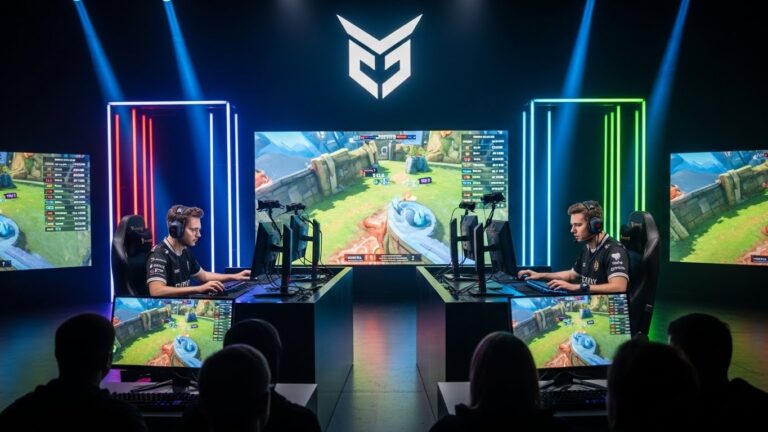
At its core, eSports refers to competitive video gaming, where players compete in video games against each other in a structured environment, often for a prize. eSports can take many forms: single-player tournaments, team-based competitions, or even online events that attract global audiences. However, what distinguishes eSports from casual gaming is the level of competition and the professionalism involved. Players train rigorously, follow specific strategies, and compete in organized tournaments, much like athletes in traditional sports.
Popular eSports titles include League of Legends, Dota 2, Counter-Strike: Global Offensive, Fortnite, Overwatch, and Call of Duty. Each of these games has its own competitive scene with dedicated teams, players, and fan bases. Tournaments are often broadcast live on streaming platforms like Twitch, YouTube Gaming, and Facebook Gaming, where fans from around the world tune in to watch their favorite players and teams compete at the highest level.
The Origins of eSports: From LAN Parties to Global Phenomenon
The history of eSports can be traced back to the early days of multiplayer gaming. In the 1990s, gamers would gather in local areas for LAN parties, where they would link their computers together to play against each other. The games were simple by today’s standards—titles like Quake and StarCraft—but the competitive spirit was already alive. The first major eSports tournaments began appearing in the late 1990s and early 2000s, often organized by game publishers and enthusiast groups. These events were often small and regional but laid the groundwork for what would eventually become a massive global industry.
The real turning point came in the mid-2000s when games like StarCraft and Warcraft III introduced larger-scale online tournaments. This era also saw the advent of platforms like Twitch, which allowed gamers to broadcast their gameplay and build large followings. As internet speeds improved and streaming technology advanced, eSports began attracting larger audiences and more sponsorships, cementing its place in mainstream culture.
The Growth of eSports: A Multi-Billion Dollar Industry
Today, eSports is a multi-billion-dollar industry, and its growth shows no signs of slowing down. According to recent industry reports, the global eSports market is estimated to surpass $1.5 billion by 2023, driven by streaming platforms, media rights, advertising, and sponsorships. The financial success of eSports is evident in the rise of major eSports leagues and events that draw millions of viewers globally.
One of the main contributors to the rise of eSports is the growing number of sponsorships from global brands. Companies like Intel, Coca-Cola, Red Bull, and Mercedes-Benz have all made significant investments in eSports, either by sponsoring events or teaming up with professional players and teams. Sponsorship deals have enabled the industry to offer large prize pools for tournaments and allow eSports players to make a living from their gaming skills.
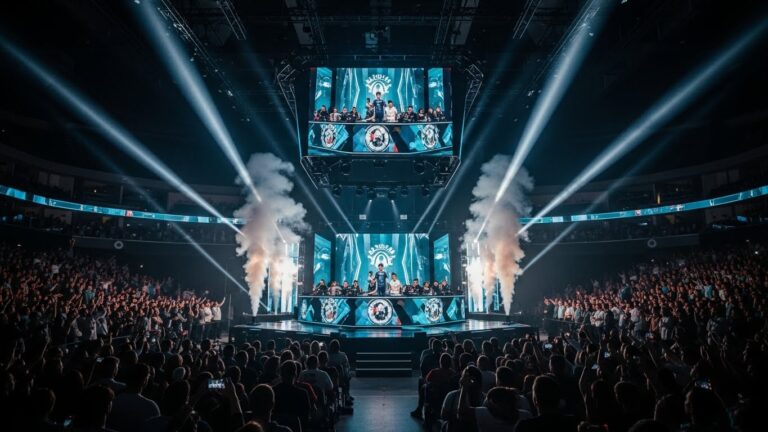
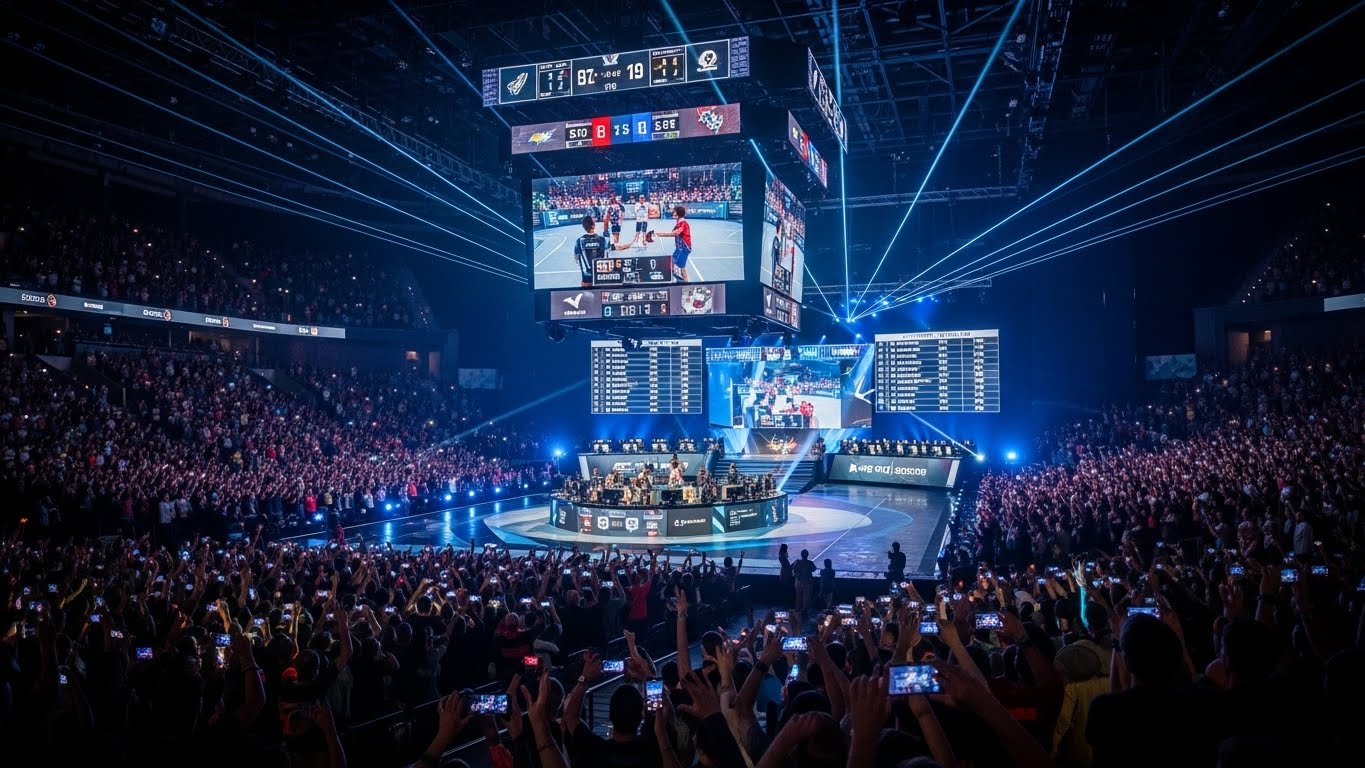
The popularity of eSports has also led to the creation of massive events like The International (Dota 2), League of Legends World Championship, and Overwatch League, which offer prize pools in the millions of dollars. These events draw enormous crowds, both physically and digitally. For instance, the League of Legends World Championship regularly attracts over 100 million viewers, rivaling the viewership of traditional sports events like the Super Bowl.
Professional Players: The Athletes of eSports
Just like in traditional sports, professional eSports players dedicate their lives to mastering their craft. These players spend hours each day practicing, studying strategies, and participating in scrims (practice matches) with their teams. The training required to compete at the highest level is intense, demanding sharp reflexes, deep game knowledge, and the ability to stay calm under pressure.
What distinguishes eSports athletes from other gamers is their commitment to improvement and their ability to perform consistently at the highest level. In fact, professional gamers have physical and mental training regimens, including working with coaches and analysts to improve their game performance. While the physical demands of eSports may differ from traditional sports, the mental strain can be just as intense, with players required to maintain peak focus for hours at a time.
The lives of top-tier eSports players are also akin to traditional sports stars. They travel the world for tournaments, sign sponsorship deals, and even stream their gameplay for millions of fans. Some of the most popular eSports athletes—such as Faker (League of Legends), s1mple (Counter-Strike), and Ninja (Fortnite)—have become household names, with lucrative endorsement deals and massive social media followings.
The eSports Ecosystem: Teams, Leagues, and Broadcasting
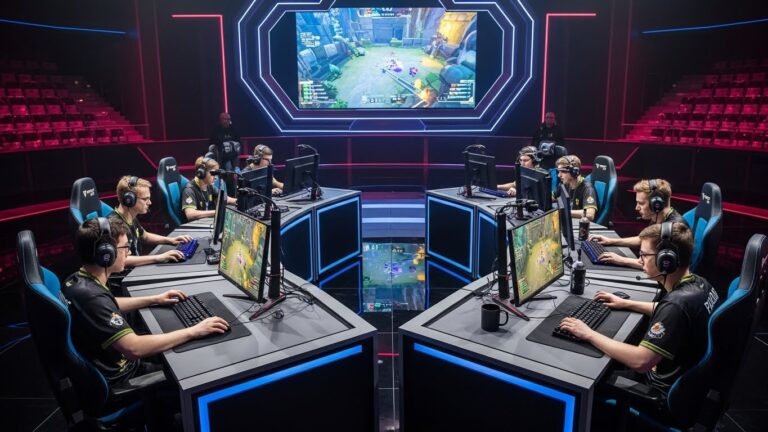
One of the key factors in the success of eSports is the development of professional teams, leagues, and broadcasting platforms. eSports teams operate much like traditional sports teams, with coaches, managers, analysts, and support staff to help players perform at their best. These teams often compete in official leagues for specific games, such as the Overwatch League or the Call of Duty League.
These leagues are structured like traditional sports leagues, with regular seasons, playoffs, and championship events. Teams compete for both prize money and bragging rights, with some leagues offering multimillion-dollar prize pools. Players also benefit from long-term contracts, salaries, and sponsorships, making eSports an increasingly viable career option.
The rise of streaming platforms like Twitch has also played a crucial role in the expansion of eSports. These platforms allow players to broadcast their matches and interact with fans in real-time. Live streaming provides an avenue for fans to connect with their favorite players, watch live gameplay, and participate in online communities. Through live chat features and social media, viewers are able to create a sense of shared experience, which is a significant part of eSports’ appeal.
Global Audience: Why eSports is So Popular
One of the unique aspects of eSports is its global appeal. While traditional sports are often limited by geography, eSports transcends borders, drawing viewers from all over the world. eSports is played by individuals from every continent, and international tournaments allow for global representation. Fans, regardless of their location, can tune in to watch live broadcasts, connect with other fans, and support their favorite teams.
The accessibility of eSports also contributes to its popularity. Unlike traditional sports, which may require expensive equipment or access to exclusive facilities, eSports can be enjoyed by anyone with a computer or gaming console and an internet connection. This has democratized gaming, allowing millions of people to become part of the eSports ecosystem, whether as players or viewers.
The Future of eSports: Expanding and Evolving
Looking ahead, the future of eSports is bright. The industry is continuing to expand, both in terms of its player base and its financial backing. As more people gain access to high-speed internet and gaming technology, the potential for eSports to reach new audiences is massive. Virtual reality (VR) and augmented reality (AR) technologies could further revolutionize the way eSports are experienced, allowing for more immersive and interactive viewing experiences.
eSports will also continue to evolve as more game developers and organizations get involved in the industry. New games, new tournaments, and new formats will emerge, and the competitive scene will become even more diverse. Moreover, the inclusion of eSports in major events like the Asian Games shows that competitive gaming is being recognized as a legitimate form of competition alongside traditional sports.
However, with rapid growth comes challenges. The sustainability of eSports in the long term will depend on addressing issues like player burnout, maintaining fair competition, and ensuring diversity and inclusion within the community. As eSports becomes more professional, it will be important to establish infrastructure that prioritizes the well-being of players while maintaining the integrity of the competition.
Conclusion: eSports as the Future of Entertainment
eSports is no longer just a trend; it is a cultural and economic force that is reshaping the entertainment landscape. With millions of players, fans, and viewers worldwide, eSports has become a legitimate career path for many, and its influence continues to grow. The growth of eSports offers a glimpse into the future of competitive entertainment, where gaming is not just a pastime but a professional sport. As technology continues to advance and the global audience for eSports expands, the digital revolution in competitive gaming is only just beginning. In the years to come, eSports will undoubtedly play an even more prominent role in the world of entertainment, transcending the digital world and taking its place among the great cultural phenomena of our time.
About the Author