Introduction: More Than Just Playing Games
Esports, once dismissed as a hobby for teenagers in dark rooms, has evolved into one of the fastest-growing entertainment industries in the world. Competitive gaming today fills massive arenas, attracts millions of online viewers, and generates careers for players, coaches, analysts, content creators, and business professionals. What began as friendly competitions in arcades and living rooms has transformed into a global ecosystem blending technology, culture, sportsmanship, and commerce. Esports is no longer simply about games; it is about community, identity, and the future of digital competition.
The Origins of Competitive Gaming
The roots of esports can be traced back to the late twentieth century when early video games sparked competitive instincts among players. Simple arcade games encouraged high-score rivalries, while early home consoles introduced multiplayer experiences. As internet connectivity improved, competition expanded beyond local spaces, allowing players from different regions to challenge one another. These early tournaments were small and informal, but they laid the groundwork for organized competitive gaming. Over time, improved hardware, faster internet speeds, and the rise of personal computers created the perfect environment for esports to flourish.
The Evolution into a Professional Industry
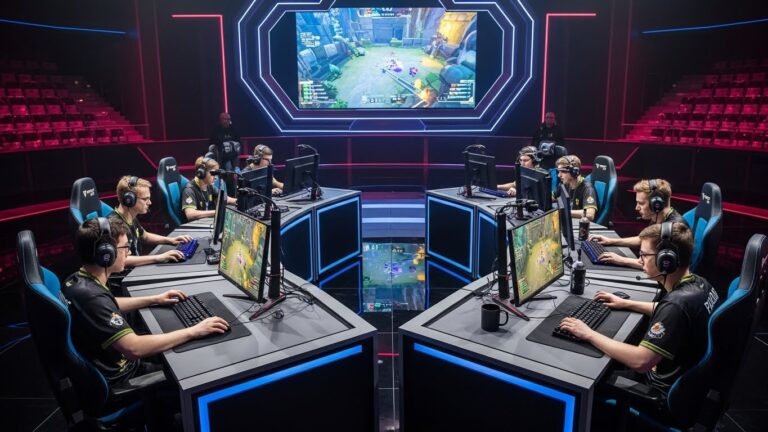
What truly separates modern esports from its early days is professionalization. Today, esports operates with structured leagues, standardized rules, player contracts, and governing bodies. Professional teams function much like traditional sports organizations, complete with coaches, managers, analysts, and training schedules. Players often dedicate eight to twelve hours a day to practice, strategy development, and physical conditioning. The industry now values discipline, teamwork, and long-term planning, proving that esports success is built on far more than raw gaming skill.
Popular Esports Genres and Their Appeal
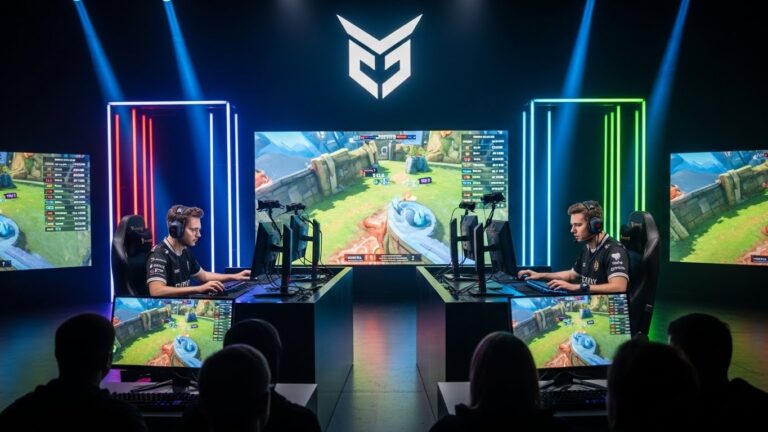
Esports is not limited to one type of game. Multiple genres coexist, each attracting unique audiences and competitive styles. Multiplayer online battle arena games emphasize teamwork and strategy, while first-person shooters focus on reflexes, precision, and communication. Real-time strategy games reward long-term planning and adaptability, whereas sports simulation games mirror real-world athletics in digital form. This diversity allows esports to appeal to a wide range of players and viewers, ensuring constant innovation and fresh competitive narratives.
The Role of Technology in Esports Growth
Technology is the backbone of esports. Advances in graphics processing, cloud computing, and high-speed internet have enabled smooth online competition and high-quality broadcasts. Streaming platforms allow fans to watch matches live, interact with players, and become part of global communities. Innovations such as virtual reality, augmented reality, and artificial intelligence are beginning to influence how games are played and viewed. As technology continues to evolve, esports will likely adopt even more immersive and interactive formats.
Esports as a Spectator Experience
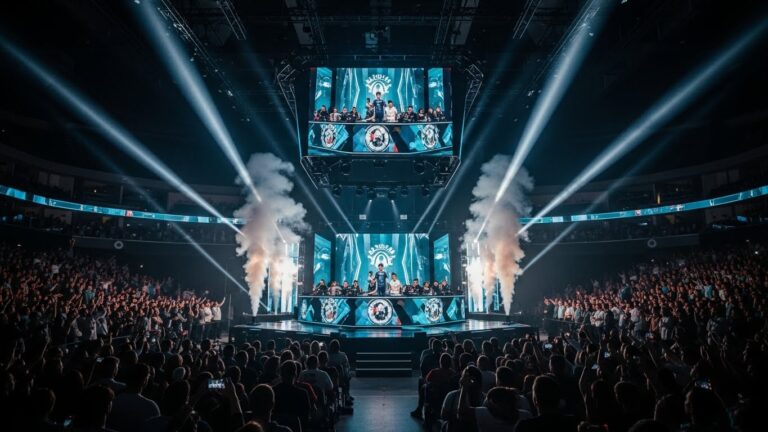
One of the most remarkable aspects of esports is its transformation into a spectator sport. Professional tournaments attract millions of viewers worldwide, both online and in physical venues. High-energy commentary, detailed analysis, and cinematic production values enhance the viewing experience. Fans follow their favorite teams and players with the same passion seen in traditional sports, engaging in discussions, creating fan art, and participating in community events. Esports broadcasts are designed not only to showcase skill but also to tell compelling stories of rivalry, perseverance, and triumph.
Economic Impact and Career Opportunities
The economic footprint of esports extends far beyond prize money. Sponsorships, advertising, merchandise, media rights, and event hosting generate significant revenue. This growth has created a wide range of career opportunities, including game design, marketing, event management, journalism, and data analysis. Educational institutions now offer programs related to esports management and game development, recognizing the industry’s long-term potential. For many young people, esports represents a viable and exciting career path.
The Global Nature of Esports
Esports is inherently global. Players from different countries compete on equal digital ground, breaking down geographical and cultural barriers. International tournaments showcase diverse playstyles influenced by regional strategies and gaming cultures. This global interaction fosters cross-cultural understanding and collaboration, making esports a unique form of international competition. Unlike many traditional sports, esports does not rely on physical infrastructure tied to specific locations, allowing talent from anywhere in the world to rise to prominence.
Challenges Facing the Esports Industry
Despite its success, esports faces several challenges. Player burnout is a growing concern due to intense practice schedules and high pressure. Maintaining competitive integrity is another critical issue, requiring strict measures against cheating and unfair practices. Additionally, the industry must address inclusivity and diversity, ensuring that esports remains welcoming to players and fans of all backgrounds. Sustainable growth will depend on balancing commercial interests with player well-being and community values.
Esports and Education
Esports is increasingly finding a place in educational settings. Schools and universities are forming esports teams, offering scholarships, and integrating gaming into curricula. Competitive gaming can help develop skills such as strategic thinking, teamwork, communication, and problem-solving. When guided responsibly, esports can complement traditional education rather than compete with it. This integration signals a shift in how society perceives gaming, recognizing its potential as a tool for learning and personal development.
Health, Fitness, and Mental Well-Being
Contrary to stereotypes, professional esports players are paying more attention to physical and mental health. Many teams employ fitness trainers and psychologists to support performance and longevity. Regular exercise, balanced nutrition, and mental resilience training are becoming standard components of esports preparation. This holistic approach reflects a broader understanding that peak performance, whether physical or digital, requires overall well-being.
The Cultural Influence of Esports
Esports has a significant cultural impact, shaping fashion, music, language, and online trends. Gaming culture influences mainstream media, with esports athletes becoming celebrities and role models. Community-driven content such as memes, streams, and fan discussions creates a vibrant digital culture that extends beyond competition. Esports also challenges traditional definitions of sports, encouraging society to rethink what athleticism and competition mean in the digital age.
The Future of Esports
The future of esports appears promising and dynamic. As technology advances, new game genres and competitive formats will emerge. Increased investment and mainstream acceptance will likely bring esports closer to traditional sports in terms of recognition and infrastructure. At the same time, community engagement and grassroots development will remain essential to preserving the spirit of competitive gaming. Esports is not a passing trend but an evolving cultural phenomenon that continues to redefine entertainment.
Conclusion: A New Era of Competition
Esports represents a powerful fusion of technology, competition, and community. From humble beginnings to global recognition, it has reshaped how people play, watch, and connect through games. Its influence extends beyond screens, impacting education, careers, and culture worldwide. As esports continues to grow, it challenges traditional boundaries and opens new possibilities for digital competition. In this new era, esports stands not just as an industry, but as a testament to how passion and innovation can transform play into prestige.
About the Author