Esports, or electronic sports, has emerged as one of the fastest-growing industries in the world, captivating millions of fans and creating professional opportunities for players, streamers, and organizations alike. What began as casual competition among friends in arcades and living rooms has grown into a global phenomenon, with structured leagues, international tournaments, multimillion-dollar prize pools, and audiences that rival traditional sports. Esports represents a fusion of entertainment, technology, and competition, redefining what it means to engage in sport and challenging conventional ideas of athleticism.
Competitive gaming is no longer a niche hobby. It has become a lifestyle, a professional pursuit, and a form of entertainment that transcends geographic and cultural boundaries. The rise of esports has reshaped the perception of gaming, highlighting the skill, strategy, and dedication required to succeed at the highest level. It has also created communities where fans can connect, share experiences, and celebrate their passion for games.
The Origins of Competitive Gaming
The roots of esports can be traced back several decades to the era of arcade games and early home consoles. In the late 1970s and early 1980s, games such as Space Invaders, Pac-Man, and Donkey Kong encouraged players to achieve high scores, often displayed on public leaderboards. These competitions were simple but highly engaging, providing recognition and a sense of accomplishment. Arcades became social hubs where players tested their skills against others, laying the foundation for competitive gaming culture.
With the advent of personal computers and local area networks in the 1990s, gaming evolved into a more connected and competitive experience. Multiplayer games like Doom, Quake, and Warcraft allowed players to challenge each other in real-time, both locally and eventually online. LAN parties became popular, creating communities around shared passion for gaming and encouraging teamwork, strategy, and rivalry. These early competitive environments nurtured the development of the esports ecosystem.
Professionalization and Organized Leagues
The 2000s marked the emergence of esports as a professional pursuit. South Korea played a pivotal role in elevating competitive gaming, particularly with the rise of StarCraft: Brood War. Television networks broadcast professional matches, and players became celebrities, gaining fame and financial support. Professional teams were formed, often sponsored by corporations, and leagues became more structured and regularized.
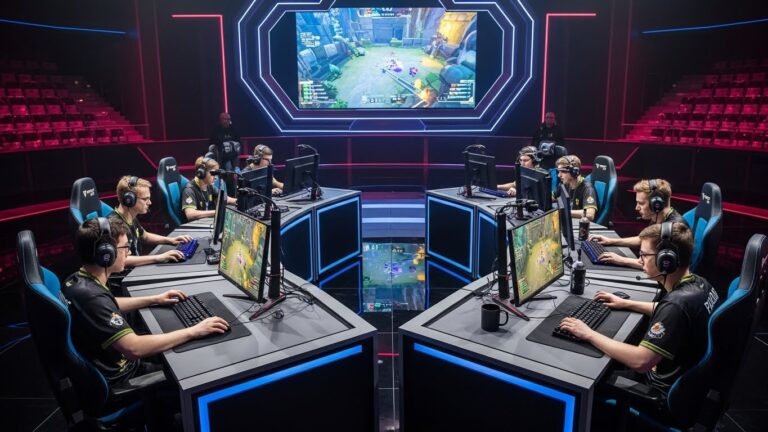
In addition to South Korea, other countries began to recognize esports as a legitimate competitive field. International tournaments allowed players from different nations to compete, creating a global audience and fostering rivalries that crossed borders. This professionalization introduced rigorous training schedules, strategic coaching, and team management, emphasizing that esports required dedication and skill comparable to traditional sports.
Popular Esports Titles
Modern esports revolves around a diverse range of multiplayer games, each offering unique mechanics, strategies, and competitive appeal. Games like League of Legends and Dota 2 are team-based strategy games requiring coordination, communication, and deep understanding of game mechanics. First-person shooters such as Counter-Strike: Global Offensive and Call of Duty emphasize precision, reflexes, and tactical execution. Battle royale titles like Fortnite combine survival, exploration, and combat, appealing to both casual and competitive players.
Other games, including Overwatch, Valorant, and Hearthstone, have developed professional leagues and competitive circuits, expanding the variety of esports offerings. Each game cultivates its own community, culture, and fanbase, creating a rich and interconnected global esports ecosystem.
The Role of Tournaments and Leagues
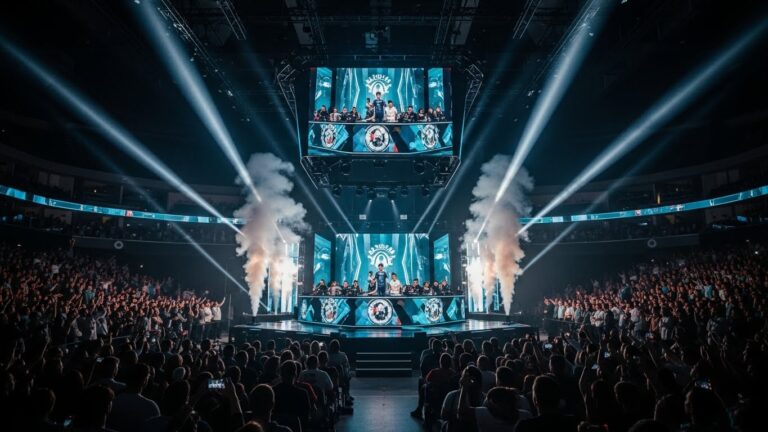
Professional tournaments and leagues are the cornerstone of the esports industry. Events like The International, League of Legends World Championship, and Overwatch League Finals offer multi-million-dollar prize pools and attract millions of viewers worldwide. These competitions are highly produced, featuring live broadcasts, professional commentary, and elaborate stage designs that rival major sports events.
Fans attend live tournaments in arenas, where the atmosphere mirrors that of traditional sports, complete with cheering crowds and team chants. Online viewers engage through streaming platforms, live chats, and social media, creating a sense of participation and community. The combination of skillful gameplay, storytelling, and production value transforms tournaments into entertainment spectacles with global reach.
Streaming Platforms and Audience Growth
Streaming platforms have played a pivotal role in the global expansion of esports. Services like Twitch, YouTube Gaming, and Facebook Gaming allow fans to watch live matches, interact with players, and follow their favorite streamers. This accessibility has dramatically increased esports’ reach, enabling fans worldwide to engage with content in real-time.
Streaming has also created new forms of entertainment and celebrity. Professional players and content creators can connect directly with their audiences, offering gameplay, tutorials, commentary, and behind-the-scenes content. Streamers often cultivate large, dedicated followings, blurring the lines between competitive athlete and entertainer. The interactive nature of streaming enhances fan engagement, making esports a participatory experience rather than a passive one.
The Cultural Impact of Esports
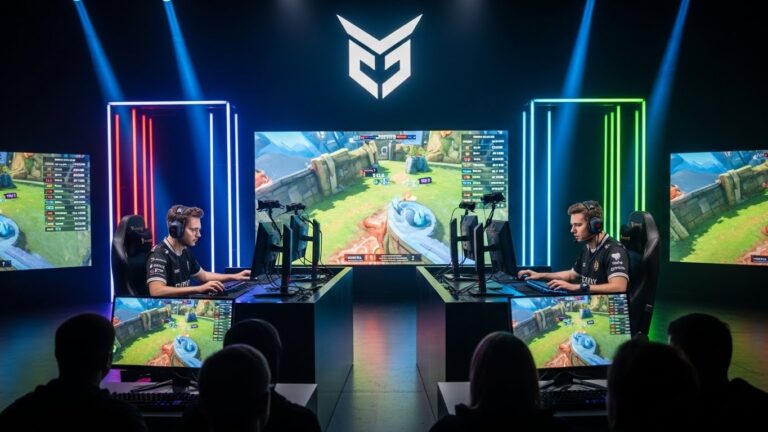
Esports has redefined what it means to be an athlete. Professional gamers undergo rigorous training regimens, often practicing for several hours a day to refine mechanics, communication, and strategic execution. Mental acuity, reflexes, and decision-making are just as important as physical endurance, challenging traditional notions of athleticism.
Esports also fosters inclusive and diverse communities. Unlike many traditional sports, competitive gaming allows people of all ages, genders, and physical abilities to participate. Online platforms create spaces where fans can connect, share knowledge, and celebrate achievements, forming cultural networks that transcend geography. The popularity of esports has influenced mainstream media, advertising, and entertainment, reflecting its growing cultural significance.
Gender and Diversity in Esports
While esports has historically been male-dominated, efforts to promote diversity and inclusion are increasing. Female players, LGBTQ+ participants, and players from various cultural backgrounds are gaining visibility and recognition. Organizations are introducing inclusive tournaments, mentorship programs, and community initiatives to ensure equitable access and opportunities.
Representation matters not only for social reasons but also for the growth of the industry. Diverse participation enriches gameplay strategies, introduces new perspectives, and expands fan engagement. By fostering inclusivity, esports continues to evolve into a global, representative, and accessible competitive environment.
Economics of Esports
Esports has grown into a multi-billion-dollar industry, with revenue generated from sponsorships, advertising, media rights, ticket sales, merchandising, and prize pools. Professional teams operate like traditional sports franchises, employing coaches, analysts, marketing personnel, and managers. Players earn salaries, prize money, and streaming income, often supplemented by brand endorsements and partnerships.
Major brands recognize esports as a valuable platform to engage younger audiences and promote products. Sponsorships fund tournaments, support teams, and enable content creation, contributing to the sustainability and growth of the industry. The economics of esports demonstrate that competitive gaming is a viable commercial enterprise with global reach and influence.
Educational and Career Opportunities
Esports has opened a variety of career and educational pathways beyond professional play. Universities and colleges now offer scholarships for esports athletes and programs in game design, event management, marketing, broadcasting, and analytics. Players can transition into coaching, commentary, team management, or content creation after their competitive careers.
The professionalization of esports underscores its legitimacy as a career option. It highlights how skills developed in gaming, such as teamwork, strategic thinking, and digital literacy, can translate into sustainable professional opportunities across industries.
Technology as the Backbone of Esports
Technology underpins the growth and success of esports. High-speed internet, powerful gaming hardware, advanced graphics engines, and broadcasting tools enable competitive play and immersive viewing experiences. Analytics platforms provide insights into player performance, strategies, and trends, enhancing training and preparation.
Emerging technologies such as cloud gaming, virtual reality, augmented reality, and artificial intelligence are poised to further transform esports. VR and AR could create fully immersive tournaments, while AI-driven analysis can assist in strategy development, training, and content creation, ensuring esports remains at the cutting edge of technological innovation.
Challenges Facing Esports
Despite its rapid growth, esports faces significant challenges. Player burnout and mental health concerns are prevalent due to intense training schedules, high expectations, and public scrutiny. Online harassment and toxicity remain ongoing issues, requiring moderation, community support, and education.
Regulatory challenges also persist. Ensuring fair competition, standardizing contracts, preventing cheating, and managing intellectual property rights are critical for maintaining the integrity and credibility of the industry. Balancing monetization with accessibility and community trust is essential for long-term sustainability.
Globalization of Esports
Esports has achieved global reach, with professional leagues, tournaments, and fan communities spanning continents. South Korea, China, North America, and Europe are major hubs, hosting events and cultivating talent. International competitions encourage cultural exchange, shared experiences, and global storytelling.
The globalization of esports has created digital networks that transcend borders, enabling fans and players to connect and collaborate regardless of location. This interconnectedness fosters inclusivity, strengthens communities, and positions esports as a truly international phenomenon.
The Future of Esports
The future of esports promises continued growth, innovation, and integration with mainstream entertainment. Emerging technologies such as VR, AR, cloud gaming, and AI will enhance gameplay, viewing experiences, and interactivity. Esports is likely to expand further into traditional sports partnerships, media integration, and educational initiatives.
Professionalization, inclusivity, and sustainability will define the next stage of development. As the industry matures, esports will continue to offer career opportunities, cultural relevance, and global engagement, cementing its position as a permanent fixture in entertainment and competitive culture.
Conclusion
Esports has evolved from casual competitions in arcades to a global industry that combines entertainment, competition, and community. It has redefined what it means to be an athlete, challenged traditional sports paradigms, and created economic and cultural opportunities worldwide. Professional players, international tournaments, and millions of fans testify to the legitimacy and influence of competitive gaming.
At its core, esports celebrates human skill, strategy, creativity, and connection. It is a testament to the transformative power of technology and digital culture, offering experiences that are thrilling, meaningful, and inclusive. As esports continues to grow, it will shape the future of competition, entertainment, and global community, leaving an enduring legacy in the world of gaming and beyond.
Esports is no longer the future—it is the present, a dynamic and ever-expanding universe that continues to inspire, entertain, and unite millions across the globe.
About the Author