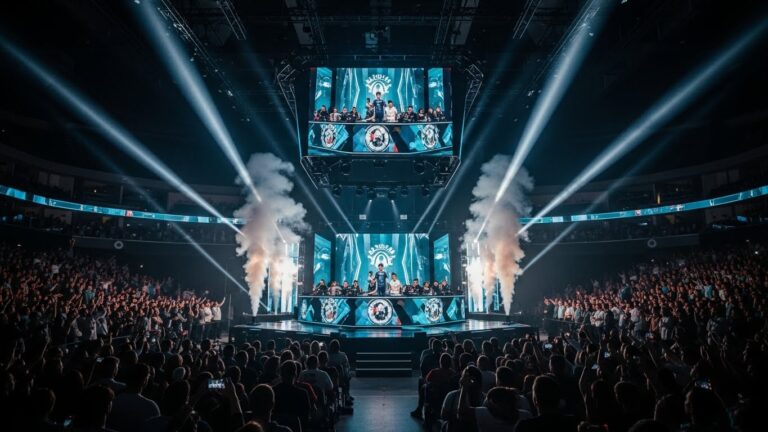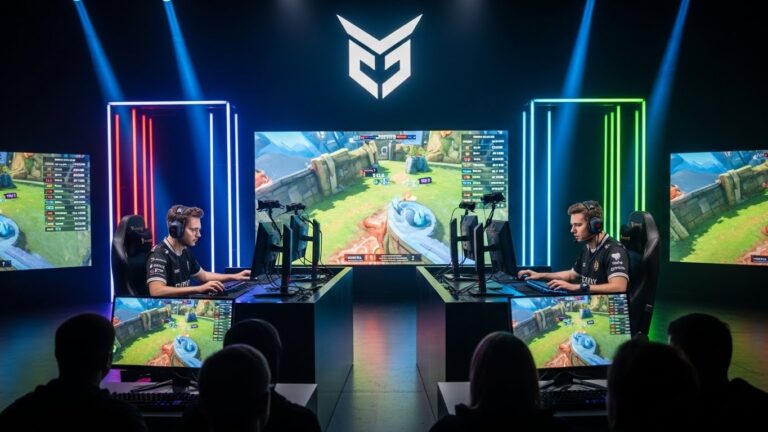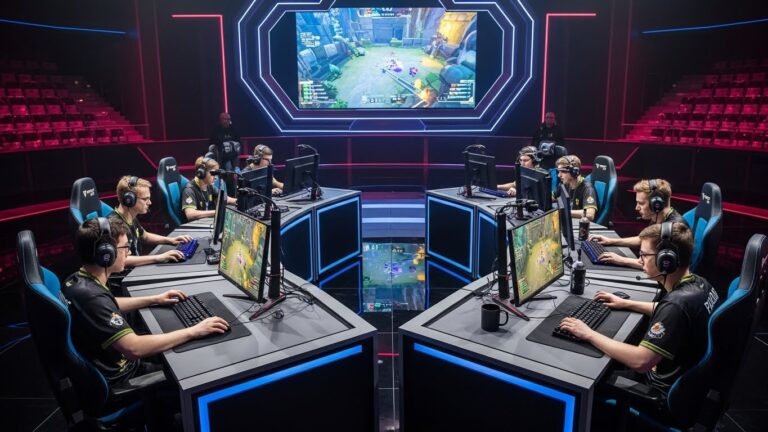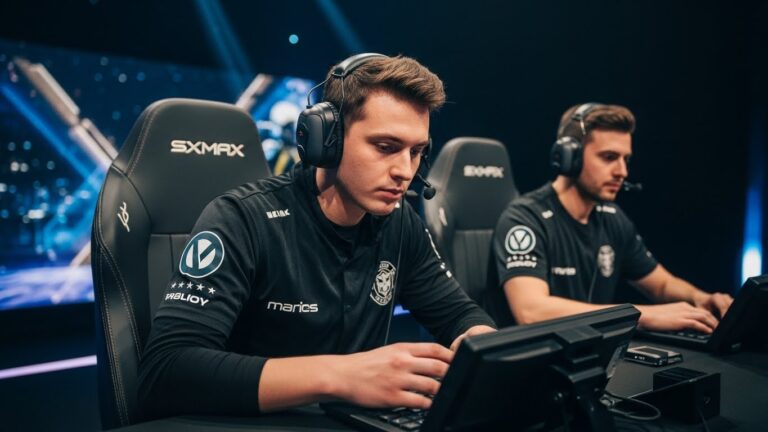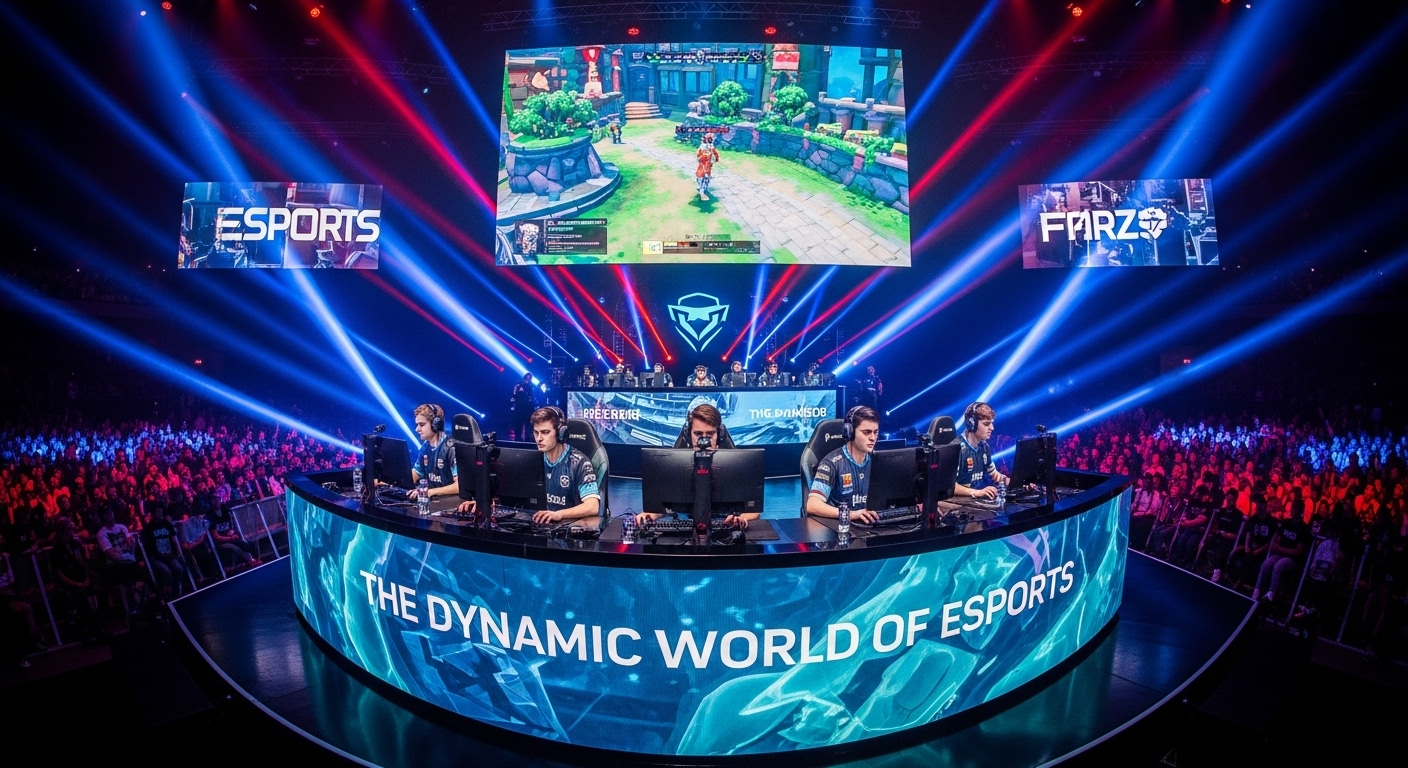
Esports, short for electronic sports, has transformed from a niche pastime into a global cultural and economic force. What began as small gatherings of gaming enthusiasts has evolved into massive international tournaments filling stadiums, streamed to millions worldwide, and generating billions in revenue. This evolution reflects not only the growth of video games as entertainment but also their legitimacy as a form of competition on par with traditional sports.
The Origins of Esports
The story of Esports begins long before Twitch streams and sponsorship deals. The first notable gaming competition took place in 1972 at Stanford University, where students competed in the game “Spacewar.” The prize was modest — a year’s subscription to Rolling Stone magazine — but the event set the stage for something much larger. Throughout the 1980s, arcade gaming competitions such as those organized by Twin Galaxies brought players together to set records in titles like Pac-Man, Donkey Kong, and Space Invaders. The “Space Invaders Championship” held by Atari in 1980 is often cited as the first large-scale Esports event, attracting over 10,000 participants across the United States.
The 1990s: The Birth of Modern Competitive Gaming
The 1990s marked the beginning of what could be considered modern Esports. The spread of personal computers, local area networks (LAN), and the rise of online connectivity created the perfect environment for multiplayer gaming. Titles like Doom, Quake, StarCraft, and Counter-Strike became staples of competitive play. South Korea played an especially pivotal role in transforming gaming into a professional pursuit. Following the Asian financial crisis in the late 1990s, South Korea invested heavily in broadband infrastructure. This led to the creation of “PC bangs,” or gaming cafes, where StarCraft became a cultural phenomenon. Professional players gained celebrity status, televised matches became common, and gaming leagues were formed. This period laid the foundation for Esports as a structured, organized, and monetized form of entertainment.
The 2000s: Professionalization and Global Expansion
In the early 2000s, Esports began to take shape as an international industry. Organizations such as Major League Gaming (MLG), World Cyber Games (WCG), and Electronic Sports World Cup (ESWC) emerged, hosting tournaments across continents. Games like Counter-Strike 1.6, Warcraft III, and Halo 2 dominated the scene. This decade also saw the rise of gaming communities online through forums and streaming services that connected players worldwide. Esports began to establish fanbases similar to those of traditional sports teams, with players gaining sponsorships and brand deals. The prize pools, though smaller compared to today’s standards, started to attract serious competitors. A combination of improving internet speeds, advanced hardware, and a growing audience solidified the legitimacy of professional gaming.
The Streaming Revolution and the Role of Twitch
The 2010s marked a turning point for Esports due to the explosion of online streaming. Twitch, launched in 2011, became the central hub for live gaming broadcasts. This platform democratized Esports viewership by allowing fans to watch tournaments, follow their favorite players, and engage with gaming communities in real time. The accessibility of Twitch contributed to the massive growth in Esports audiences, turning what was once a niche culture into mainstream entertainment. Live streaming blurred the line between professional competition and community-driven content. Players could now grow their personal brands by streaming daily practice sessions, interacting with fans, and even developing sponsorship opportunities independent of their teams.
The Big Titles That Shaped Esports
Certain games have become synonymous with Esports. Each represents a unique genre, audience, and cultural influence.
League of Legends (LoL): Developed by Riot Games, this Multiplayer Online Battle Arena (MOBA) title became one of the most-watched Esports in history. The annual League of Legends World Championship attracts millions of viewers and boasts prize pools exceeding millions of dollars. LoL’s success stems from consistent updates, balanced gameplay, and a robust competitive infrastructure.
Dota 2: Another MOBA giant, Dota 2’s “The International” set new standards for prize money in Esports, with community-funded prize pools surpassing $30 million. Its complex gameplay and deep strategic elements have made it a favorite among hardcore gamers.
Counter-Strike: Global Offensive (CS:GO): As a first-person shooter, CS:GO has remained a staple in Esports for over a decade. Its skill-based mechanics and team-oriented gameplay have sustained a loyal competitive scene across multiple continents.
Fortnite: Epic Games’ battle royale title revolutionized the genre by combining accessibility with massive cultural appeal. With events like the Fortnite World Cup, which awarded multi-million-dollar prizes to teenage players, Fortnite blurred the lines between gaming and pop culture.
Overwatch, Valorant, and Call of Duty: These shooters each established structured leagues, further professionalizing the industry and drawing comparisons to traditional sports franchises.
The Business of Esports
The financial ecosystem of Esports is multifaceted, involving sponsorships, media rights, merchandise, ticket sales, and in-game purchases. Major brands such as Coca-Cola, Intel, and Red Bull have invested heavily in Esports sponsorships, recognizing the value of connecting with a younger, tech-savvy demographic. Tournament organizers, game developers, and teams each have distinct revenue models. Developers benefit from increased engagement and in-game spending, while teams rely on sponsorships, player streaming income, and merchandise sales. Media rights have also become a major revenue stream, as streaming platforms and television networks compete for broadcasting rights to premier tournaments. Esports is now estimated to be a multi-billion-dollar global industry, with forecasts suggesting continued growth in the coming years.
The Rise of Esports Teams and Organizations
Just as football has clubs and basketball has franchises, Esports has teams that operate like professional sports organizations. Teams such as Team Liquid, Cloud9, Fnatic, and T1 have become household names within the gaming community. They maintain training facilities, coaching staff, analysts, and player wellness programs. Esports athletes sign contracts, receive salaries, and often share in prize winnings. Some teams are backed by traditional sports organizations or celebrities, such as the ownership stakes held by NBA players and Hollywood figures. This cross-industry investment has further legitimized Esports and expanded its audience beyond gaming enthusiasts.
The Esports Athlete: Training and Discipline
The stereotype of gamers as casual hobbyists has been thoroughly dismantled. Professional Esports players follow rigorous training regimens similar to those of traditional athletes. They spend hours analyzing strategies, studying opponents, refining reflexes, and coordinating with teammates. Reaction time, hand-eye coordination, mental focus, and communication are critical skills. Many Esports teams employ nutritionists, psychologists, and physical trainers to maintain players’ mental and physical health. The lifespan of an Esports career is typically shorter than that of traditional athletes due to the intense cognitive demand and constant evolution of game mechanics, but the professionalism within the field continues to grow.
The Role of Technology in Esports Growth
Technological innovation is at the heart of Esports. Advances in graphics processing, network speed, and game design have enabled a level of realism and responsiveness necessary for competitive play. Cloud gaming, virtual reality, and AI-driven analytics are opening new frontiers for both players and fans. AI tools can now analyze player performance, suggest tactical improvements, and even predict match outcomes. The integration of virtual and augmented reality is beginning to create immersive Esports experiences where fans can feel part of the action. 5G technology promises even faster and more stable connections, reducing latency issues and enhancing mobile Esports competitions.
The Cultural Impact of Esports
Esports has become a defining cultural element for younger generations. It transcends borders, languages, and social classes, creating a global community bonded by a shared passion for gaming. Events like the League of Legends World Championship or The International are broadcast in multiple languages and draw audiences from every continent. Esports has also influenced fashion, music, and media. Collaborations between game publishers and fashion brands have produced Esports-inspired apparel lines. Music artists perform at tournament openings, and gaming references appear in mainstream entertainment. The crossover appeal of Esports has turned it into a legitimate cultural movement.
Esports in Education and Career Development
The rise of Esports has reached academia as well. Universities around the world now offer scholarships for Esports athletes and degree programs in game design, management, and marketing. Esports clubs have become a common feature on campuses, providing students with competitive and leadership opportunities. Beyond playing professionally, Esports has created numerous career paths — from broadcasting and event management to data analysis and game development. The ecosystem requires a diverse range of skills, offering job opportunities in technology, content creation, and business strategy.
The Globalization of Esports
While Esports began with regional competitions, it has grown into a truly global industry. Asia remains a dominant force, especially South Korea and China, but North America and Europe have rapidly expanded their influence. Latin America, Africa, and the Middle East are emerging as new markets with increasing player bases and investment potential. The inclusivity of Esports allows players from any background to compete at the highest levels with only a stable internet connection and skill. This global reach has helped foster cultural exchange and mutual respect among nations through digital competition.
The Challenges Facing Esports
Despite its meteoric rise, Esports faces several challenges. One of the main concerns is player burnout due to the demanding schedules and mental pressure. Another issue is the lack of standardized governance. Unlike traditional sports, Esports has no universal regulatory body. Each game publisher sets its own competitive rules and structures, leading to inconsistency in policies and prize distribution. Cheating, match-fixing, and the use of performance-enhancing software have also posed integrity issues. Furthermore, there is ongoing debate about player unionization and fair compensation. Addressing these challenges will be crucial to sustaining the long-term credibility of Esports.
The Future of Esports
The future of Esports looks extraordinarily promising. As technology continues to advance, the line between gaming, entertainment, and sports will blur even further. Virtual reality could enable new forms of competition that merge physical and digital experiences. Artificial intelligence might refine strategy development and coaching methodologies. The continued expansion of mobile Esports, particularly in developing countries, will broaden global participation. Esports is also likely to become a key component of the metaverse, offering immersive, interactive experiences where fans can watch and participate simultaneously.
Esports and the Olympics Debate
A significant milestone on the horizon is the potential inclusion of Esports in the Olympic Games. While gaming tournaments have already been hosted alongside the Olympics as exhibition events, there is increasing pressure to make Esports an official medal discipline. Supporters argue that Esports require skill, strategy, and teamwork comparable to physical sports. Critics question whether video games align with the Olympic spirit. Regardless of the outcome, the mere discussion of Esports at the Olympic level underscores its global significance and the respect it has earned as a legitimate sport.
Women and Diversity in Esports
For many years, Esports was perceived as male-dominated, but this image is changing rapidly. Female gamers, streamers, and professionals are gaining visibility and recognition. Organizations are promoting inclusivity by hosting all-women tournaments and diversity-driven initiatives. Representation has become a central topic in the Esports community, with calls for safer spaces, fair opportunities, and equal pay. The growing participation of women and diverse communities is reshaping the industry into one that reflects the true diversity of global gaming culture.
The Psychological and Social Aspects of Esports
Beyond competition, Esports provides a sense of belonging and community for millions of players worldwide. It fosters teamwork, strategic thinking, and communication skills. However, it also raises concerns about screen time, mental health, and online toxicity. As Esports continues to evolve, so does the understanding of how to balance its benefits with responsible gaming practices. Many teams now incorporate mental wellness programs and education about digital balance to support their players and fans alike.
Esports and Traditional Sports: Rivals or Partners?
Initially viewed as competitors, Esports and traditional sports are increasingly becoming collaborators. Sports franchises have launched their own Esports teams, such as NBA 2K League and FIFA eWorld Cup. This convergence allows traditional sports organizations to engage younger audiences who spend more time online than in stadiums. Similarly, Esports adopts the structure, discipline, and fan engagement strategies of physical sports. The intersection of the two worlds creates a dynamic entertainment landscape where digital and physical sports coexist and complement each other.
Conclusion: The Power of Play in a Digital Age
Esports is more than just competitive gaming; it represents a transformation in how humans interact with technology, culture, and each other. From the humble beginnings of arcade tournaments to global championships watched by millions, Esports embodies the spirit of innovation and community. It merges creativity, strategy, and technology into a modern cultural force that defines this generation. As the industry continues to mature, its impact will extend far beyond gaming — influencing education, entertainment, and even how we define sportsmanship in the digital era.
About the Author