Introduction: The Rise of a Digital Arena
Esports, or electronic sports, has evolved from casual gaming among friends into a global competitive phenomenon. What was once considered a niche hobby is now a billion-dollar industry with professional teams, international tournaments, massive fan bases, and legitimate career paths. Esports is no longer just about playing games; it represents a new form of competition that blends technology, entertainment, and human skill. This digital arena is reshaping how we view sports, community, and even success in the modern age.
Understanding What Esports Really Is
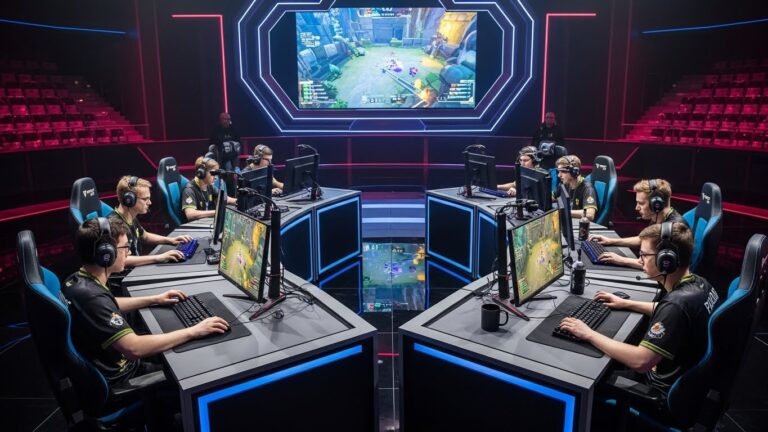
Esports refers to organized, competitive video gaming where individuals or teams compete in structured tournaments. These competitions often involve popular game genres such as multiplayer online battle arenas, first-person shooters, real-time strategy games, and sports simulations. Unlike casual gaming, esports demands rigorous training, strategic thinking, teamwork, and mental resilience. Players often practice for several hours a day, analyze gameplay footage, and work closely with coaches and analysts, much like traditional athletes.
The Evolution from Hobby to Profession
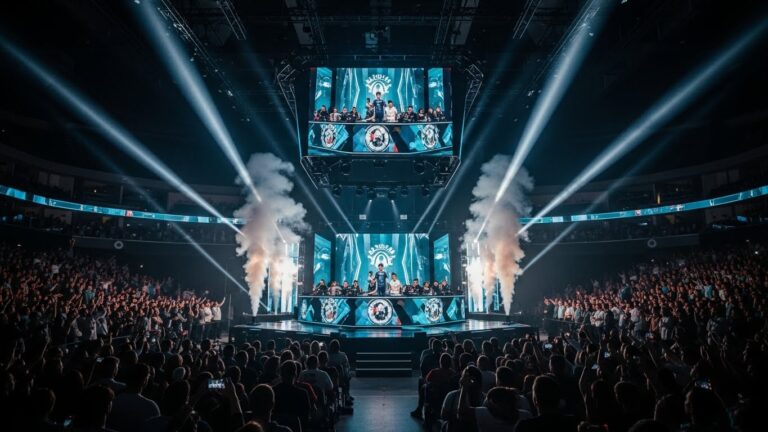
The journey of esports from bedroom gaming to packed stadiums has been gradual but revolutionary. Early competitive gaming events were small, community-driven gatherings with minimal prizes. Over time, advancements in internet connectivity, live streaming platforms, and gaming technology allowed competitions to reach global audiences. As viewership grew, sponsors, advertisers, and investors took notice. Today, professional esports players sign contracts, earn salaries, and compete for prize pools that rival traditional sports tournaments.
The Games That Power the Industry
At the heart of esports are the games themselves. Each title brings its own mechanics, strategies, and fan culture. Some games emphasize fast reflexes and precision, while others focus on long-term strategy and coordination. This diversity allows esports to appeal to a wide audience, as viewers can find games that match their interests and preferred styles of competition. Game developers also play a crucial role by supporting competitive ecosystems through regular updates, balanced gameplay, and official tournaments.
Esports Athletes and the Myth of Easy Success
A common misconception is that esports success comes easily because it involves playing video games. In reality, professional players endure intense pressure and demanding schedules. Reaction time, hand-eye coordination, decision-making speed, and emotional control are all critical skills. Many players follow strict routines that include physical exercise, mental training, and nutritional planning. Burnout and performance anxiety are real challenges, highlighting that esports requires discipline and resilience comparable to traditional sports.
Teams, Organizations, and Behind-the-Scenes Roles
While players are the most visible figures in esports, the industry relies on a wide range of professionals working behind the scenes. Coaches develop strategies and improve team dynamics, analysts study opponents and game data, and managers handle logistics and contracts. Content creators, broadcasters, event organizers, and production crews all contribute to the esports ecosystem. This network of roles demonstrates that esports is not just a competition platform but a fully developed industry offering diverse career opportunities.
The Role of Streaming and Fan Engagement
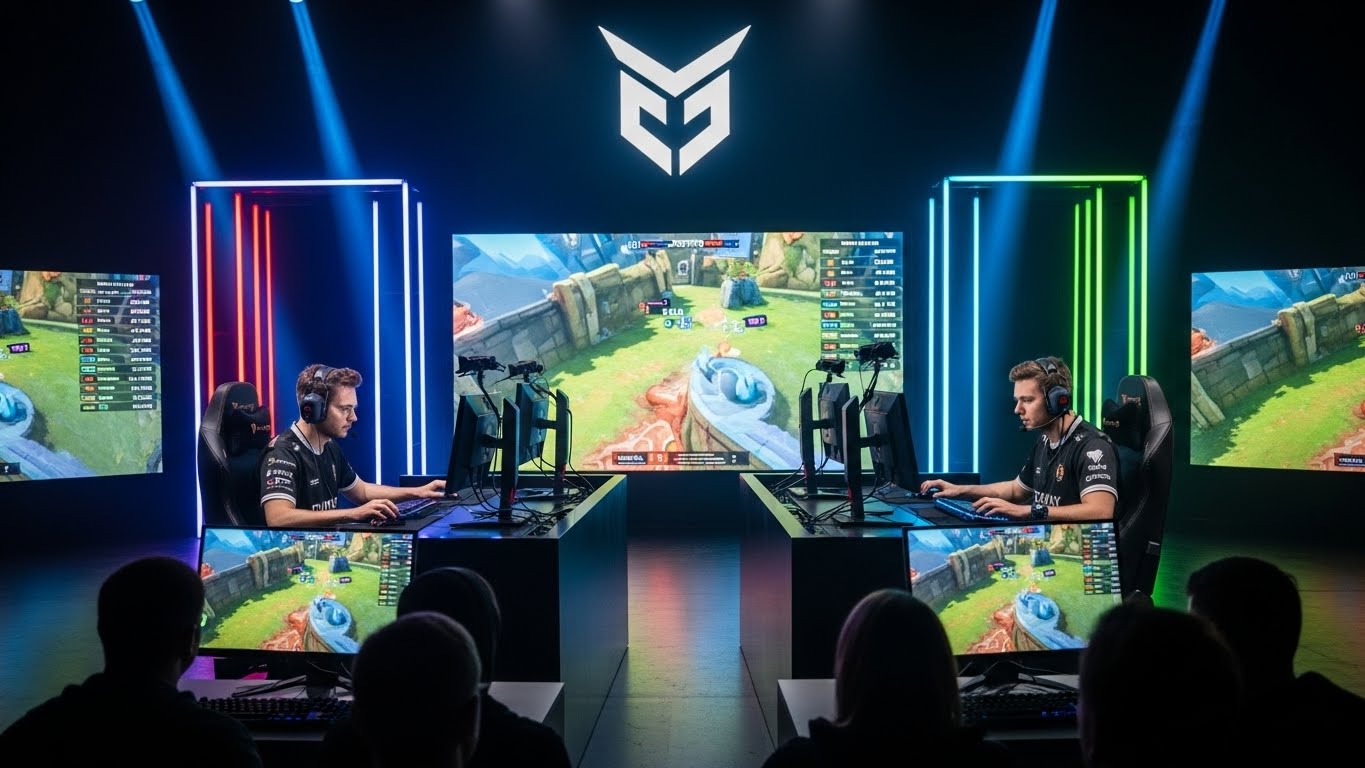
One of the defining features of esports is its close connection with fans. Live streaming platforms allow viewers to watch matches in real time, interact through chat, and support their favorite players directly. This level of engagement creates a sense of community that traditional sports often struggle to replicate. Fans feel personally connected to players, following their journeys, celebrating victories, and sharing in defeats. This interactive culture has helped esports grow rapidly and maintain strong audience loyalty.
Esports as a Cultural Movement
Esports is more than entertainment; it is a cultural movement that reflects the values of a digital generation. It promotes global interaction, as players and fans from different countries compete and connect without physical boundaries. Language barriers are often overcome through shared gameplay experiences. Esports also challenges traditional ideas of athleticism and competition, proving that mental skill and strategic mastery are just as valuable as physical strength.
Education and Esports
Educational institutions are increasingly recognizing the value of esports. Many schools and universities now offer esports programs, scholarships, and dedicated facilities. These programs teach not only gaming skills but also teamwork, leadership, communication, and technology management. Esports can serve as a gateway to careers in game design, software development, marketing, and media production. By integrating esports into education, institutions are aligning with the interests and skills of modern students.
Economic Impact and Global Growth
The economic influence of esports continues to expand. Revenue streams include sponsorships, merchandise, ticket sales, media rights, and in-game purchases. Major tournaments attract tourism, boost local economies, and generate international attention. Emerging markets are also embracing esports, contributing to its global growth. This expansion shows no signs of slowing, as new games, platforms, and audiences continue to emerge.
Challenges Facing the Esports Industry
Despite its success, esports faces several challenges. Issues such as player welfare, fair competition, and long-term sustainability require careful attention. The lack of standardized regulations across regions can lead to inconsistencies in contracts and tournament rules. Additionally, maintaining a healthy balance between competition and personal well-being is essential for players. Addressing these challenges will be crucial for ensuring the industry’s long-term credibility and growth.
Diversity and Inclusion in Esports
Esports has the potential to be one of the most inclusive competitive spaces, as it does not rely on physical attributes like size or strength. However, the industry still struggles with representation and inclusivity. Efforts are being made to create safer, more welcoming environments for players of all backgrounds. Promoting diversity not only strengthens the community but also enriches the competitive landscape by bringing in new perspectives and talents.
The Future of Esports
Looking ahead, the future of esports appears promising. Advancements in virtual reality, augmented reality, and artificial intelligence could transform how games are played and experienced. As technology evolves, so will the ways audiences engage with esports content. Integration with mainstream media and traditional sports organizations is also likely to increase. Esports may soon become a standard part of global sporting culture rather than an alternative to it.
Conclusion: A New Definition of Competition
Esports represents a shift in how society defines competition, skill, and entertainment. It combines the passion of sports with the innovation of technology, creating opportunities for players, fans, and professionals worldwide. As esports continues to grow, it challenges outdated perceptions and opens doors to new forms of connection and achievement. Beyond the screen lies a dynamic world where dedication, strategy, and community come together to shape the future of competition.
About the Author