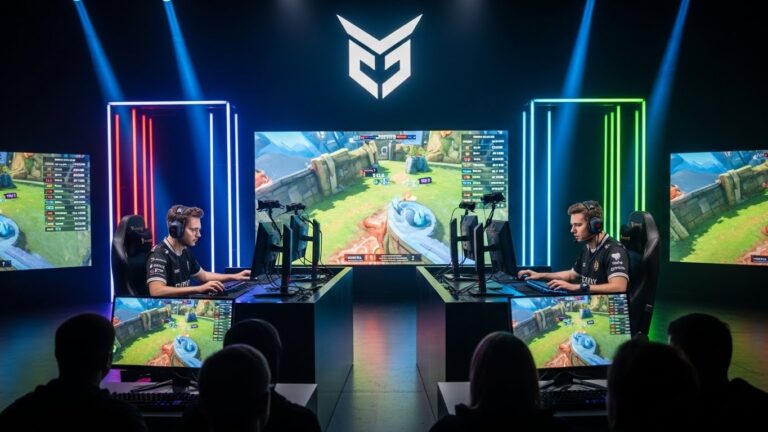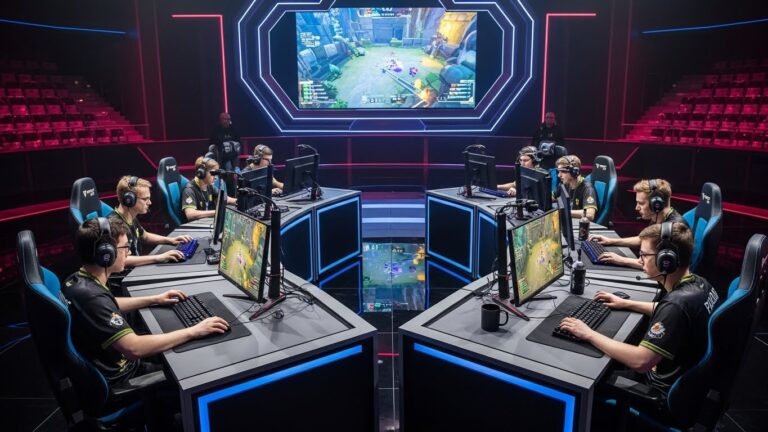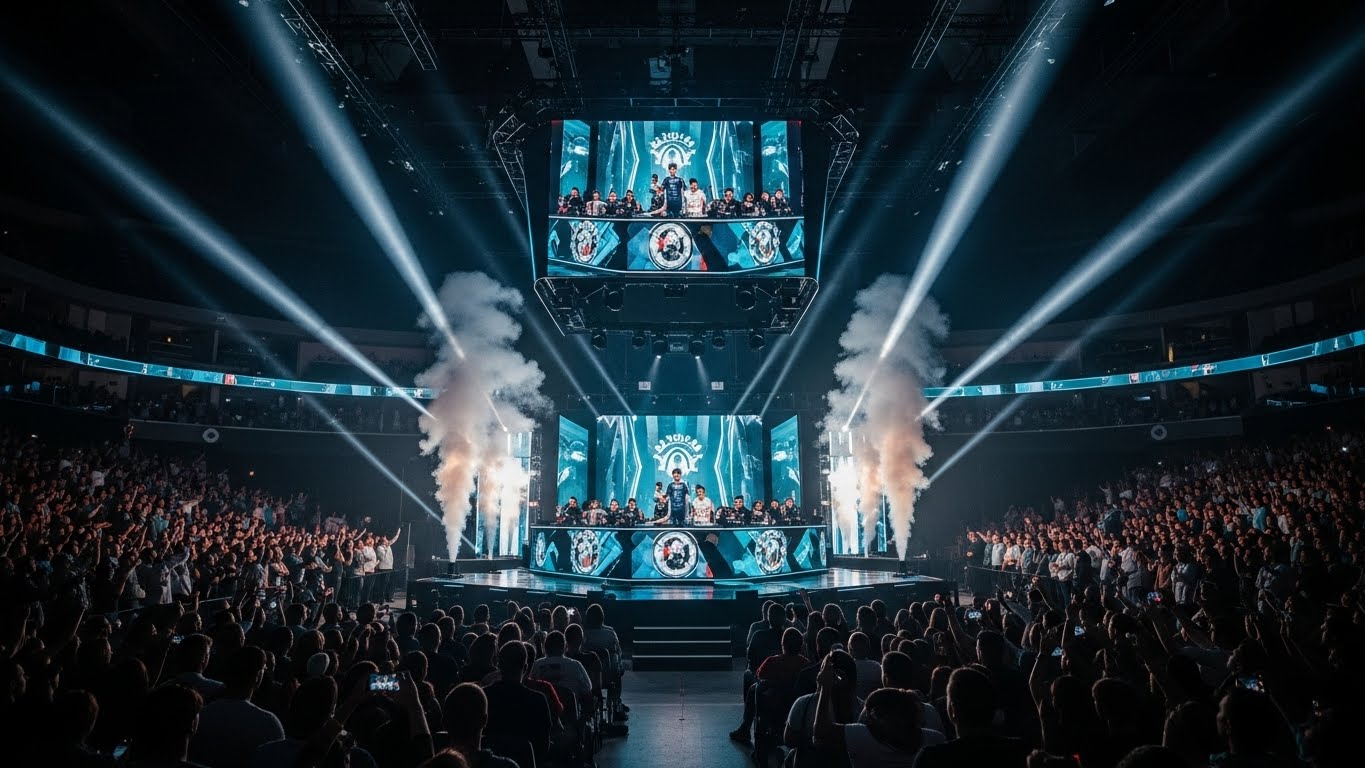
Esports has emerged as one of the most influential forms of entertainment in the digital age. What began as casual gaming among friends has transformed into a highly organized, competitive, and professional industry followed by millions across the globe. With packed arenas, professional teams, dedicated coaches, and passionate fan bases, esports now stands shoulder to shoulder with traditional sports. This blog explores the evolution of esports, its cultural and economic impact, the skills it demands, and the future it is shaping.
Understanding What Esports Really Is
Esports, short for electronic sports, refers to organized competitive video gaming. Unlike casual gaming, esports involves structured tournaments, professional players, official leagues, and standardized rules. Players compete individually or in teams across various game genres such as strategy, shooters, battle arenas, and sports simulations.
What makes esports unique is its digital foundation. Competition takes place in virtual environments, yet the intensity, preparation, and pressure mirror those found in physical sports. The blend of technology, competition, and entertainment has created a new form of sporting culture that resonates strongly with younger generations.
The Early Days of Competitive Gaming
The roots of esports can be traced back to the early days of video games when players competed for high scores in arcades. As home computers and gaming consoles became more accessible, competitive gaming moved into homes and local gatherings. Multiplayer games introduced the idea of head-to-head competition, laying the groundwork for organized tournaments.
With the rise of the internet, competitive gaming expanded rapidly. Players from different regions could compete online, forming communities and rivalries. Over time, informal competitions evolved into structured events, marking the transition from hobbyist gaming to professional esports.
Esports as a Global Industry
Today, esports is a global industry with professional leagues, international tournaments, and massive audiences. Events are held in large venues and streamed to millions of viewers worldwide. Prize pools reach impressive levels, and top players are treated as celebrities within the gaming world.
The industry extends beyond players. It includes team owners, coaches, analysts, broadcasters, event organizers, and content creators. This ecosystem supports thousands of jobs and continues to grow as esports gains mainstream recognition.
The Skill and Discipline Behind Esports
Contrary to outdated stereotypes, esports requires a high level of skill, discipline, and mental strength. Professional players train for long hours, refining their mechanics, strategies, and teamwork. Reaction time, hand-eye coordination, game awareness, and decision-making are critical to success.
Mental resilience plays a major role. Players must perform under pressure, adapt to opponents, and recover quickly from mistakes. Team-based esports also demand strong communication, leadership, and trust. These qualities highlight that esports is not just about playing games, but about mastering complex competitive systems.
Physical and Mental Conditioning in Esports
While esports is primarily digital, physical health still matters. Professional players increasingly focus on fitness routines, posture, and hand care to prevent injuries and fatigue. Long hours of practice require stamina and physical well-being.
Mental health is equally important. The pressure to perform, public scrutiny, and intense schedules can lead to stress and burnout. Many teams now emphasize balanced routines, mental coaching, and rest, recognizing that peak performance depends on overall well-being.
The Role of Technology in Esports Growth
Technology is the foundation of esports. High-performance hardware, fast internet connections, and advanced software make competitive gaming possible at a professional level. Game developers continuously update titles, ensuring balance and fairness in competition.
Broadcasting technology has also played a crucial role. High-quality live streams, commentary, and production values make esports accessible and engaging for viewers. This seamless integration of technology and entertainment has helped esports reach global audiences without traditional barriers.
Esports and Community Culture
One of the most powerful aspects of esports is its community. Fans connect through shared passion, discussing strategies, supporting teams, and celebrating moments together. This sense of belonging is especially strong in esports, where interaction between players and fans is more direct and personal.
Communities often extend beyond competition. They create spaces for learning, creativity, and collaboration. From fan art to amateur tournaments, esports culture thrives on participation and shared identity.
Educational Opportunities Through Esports
Esports is increasingly being recognized as an educational tool. Schools and universities are introducing esports programs that focus on teamwork, critical thinking, and digital literacy. Competitive gaming can help students develop problem-solving skills and strategic thinking.
Beyond playing, esports opens pathways into fields such as game design, broadcasting, marketing, and data analysis. These opportunities demonstrate that esports is not just entertainment, but a platform for learning and career development.
Esports and Social Inclusion
Esports has the potential to be more inclusive than many traditional sports. Physical limitations are less restrictive, allowing individuals from diverse backgrounds and abilities to compete. Online competition removes geographical barriers, giving talent from all regions a chance to shine.
However, inclusion remains a challenge. Issues such as toxic behavior and unequal representation must be addressed. Continued efforts toward respectful communities and diverse participation are essential for esports to reach its full potential.
Challenges Facing the Esports World
Despite its success, esports faces significant challenges. Player burnout, lack of standardized regulations, and concerns about fair play can threaten sustainability. The fast-paced nature of the industry means careers can be short, requiring long-term planning and support systems.
There is also the challenge of public perception. While acceptance is growing, esports still faces skepticism from those unfamiliar with competitive gaming. Education and transparency will play a key role in shaping its future image.
The Future of Esports
The future of esports is full of possibility. Advancements in immersive technologies may redefine how games are played and watched. New genres and formats will continue to emerge, keeping the industry dynamic and innovative.
As esports becomes more integrated into mainstream culture, it is likely to influence entertainment, education, and even traditional sports. What remains certain is that esports will continue to evolve, driven by creativity, competition, and community.
Why Esports Matters in the Modern World
Esports represents more than digital competition. It reflects how technology shapes human interaction, ambition, and expression. It provides a space where skill, strategy, and teamwork are celebrated, and where global communities form around shared experiences.
In a rapidly changing world, esports stands as a symbol of modern culture. It shows how passion can turn play into profession and how virtual spaces can create real connections.
Conclusion: A New Era of Competition
Esports has redefined what it means to compete, entertain, and connect. From its humble beginnings to its current global presence, it has proven that competition does not need a physical field to be meaningful. Through skill, discipline, and innovation, esports has earned its place in the modern sporting landscape.
As the industry continues to grow, its influence will reach far beyond gaming. Esports is shaping careers, communities, and culture, signaling a future where digital and human excellence meet. The digital arena is no longer the future of competition. It is the present, and it is here to stay.
About the Author