Introduction: A Digital Frontier of Competition
In the past two decades, esports has evolved from a niche hobby into a global phenomenon. Once considered a pastime reserved for gamers in their bedrooms, esports now commands the attention of millions around the world, filling stadiums and attracting audiences on digital platforms numbering in the millions. The rise of competitive gaming demonstrates a unique convergence of technology, culture, and entertainment. Esports is not simply a game; it is a lifestyle, an industry, and a community that transcends borders.
The Origins of Esports: From Pixels to Competition
Competitive gaming is not a new concept. Even in the 1970s and 1980s, arcade competitions were popular in local communities. High scores were celebrated, and early tournaments, though modest, planted the seeds of organized competition. With the arrival of home consoles and personal computers, multiplayer games became more accessible. Titles such as early strategy games, fighting games, and first-person shooters introduced competitive mechanics that encouraged players to challenge one another. These early competitions laid the foundation for modern esports by turning casual play into structured rivalry.
The Rise of Online Gaming Communities
The real breakthrough in esports came with widespread internet access. Online platforms allowed players to connect globally, opening doors to competitive play beyond local communities. Gamers could now test their skills against opponents in different cities, countries, and continents. Online forums and early streaming platforms facilitated the growth of dedicated gaming communities, where strategies, tutorials, and tournament results were shared. This sense of community helped transform gaming from an individual activity into a social and competitive pursuit.
Professional Esports Teams: Structure and Strategy
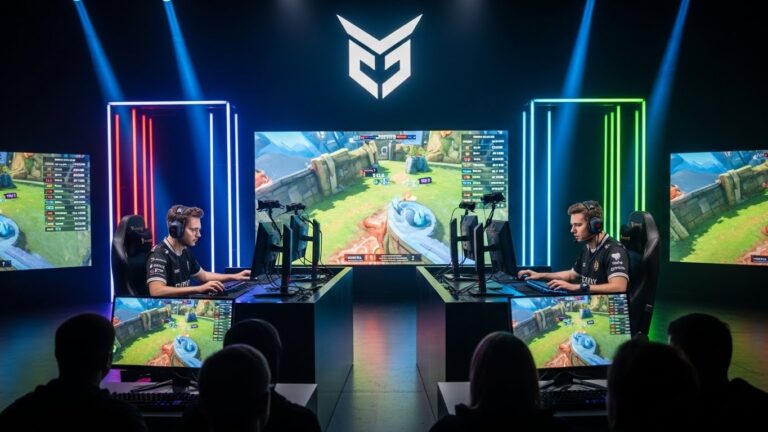
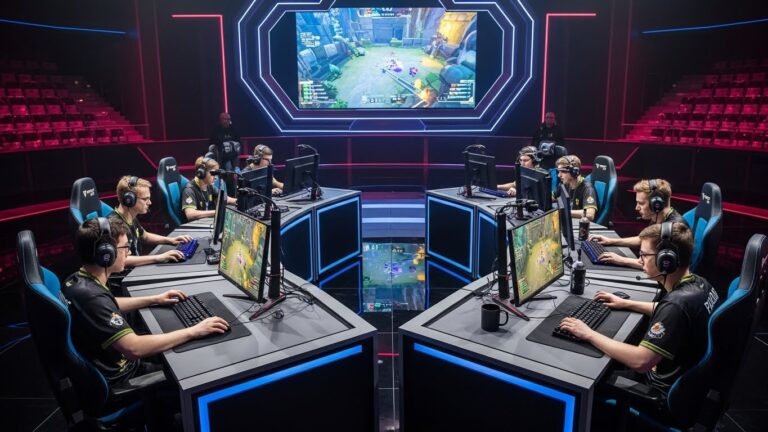
As the competitive scene grew, professional teams began to emerge. These teams adopted organizational structures similar to traditional sports clubs, complete with coaches, analysts, and support staff. Players signed contracts and followed rigorous training schedules. Teams focused on refining strategies, analyzing opponents, and optimizing communication. The rise of professional organizations brought legitimacy to esports, transforming it into a viable career path. Players could now pursue competitive gaming full-time, supported by sponsors and tournament earnings.
The Impact of Streaming Platforms
Streaming platforms have been instrumental in propelling esports into the mainstream. Services that allow players to broadcast gameplay live introduced a new dimension to spectator gaming. Fans could watch their favorite players in real-time, interact with them, and participate in the excitement. The accessibility of live streaming turned esports into an inclusive experience, enabling anyone with an internet connection to engage with competitive gaming. Streamed tournaments became entertainment spectacles, with commentary, analysis, and audience interaction elevating esports to levels rivaling traditional sports broadcasts.
Esports Arenas and Global Tournaments
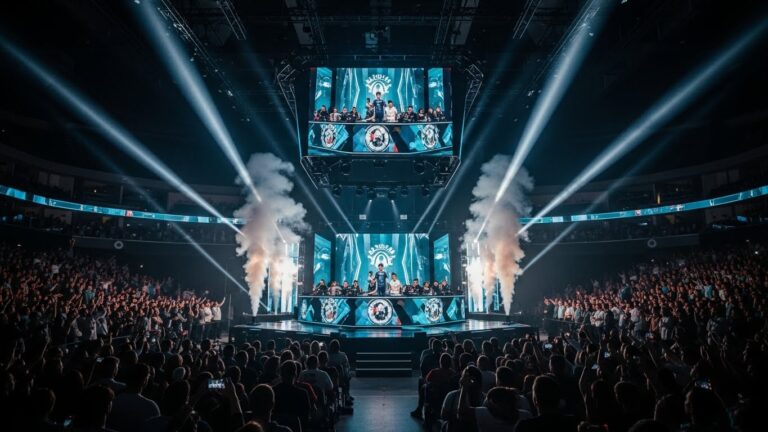
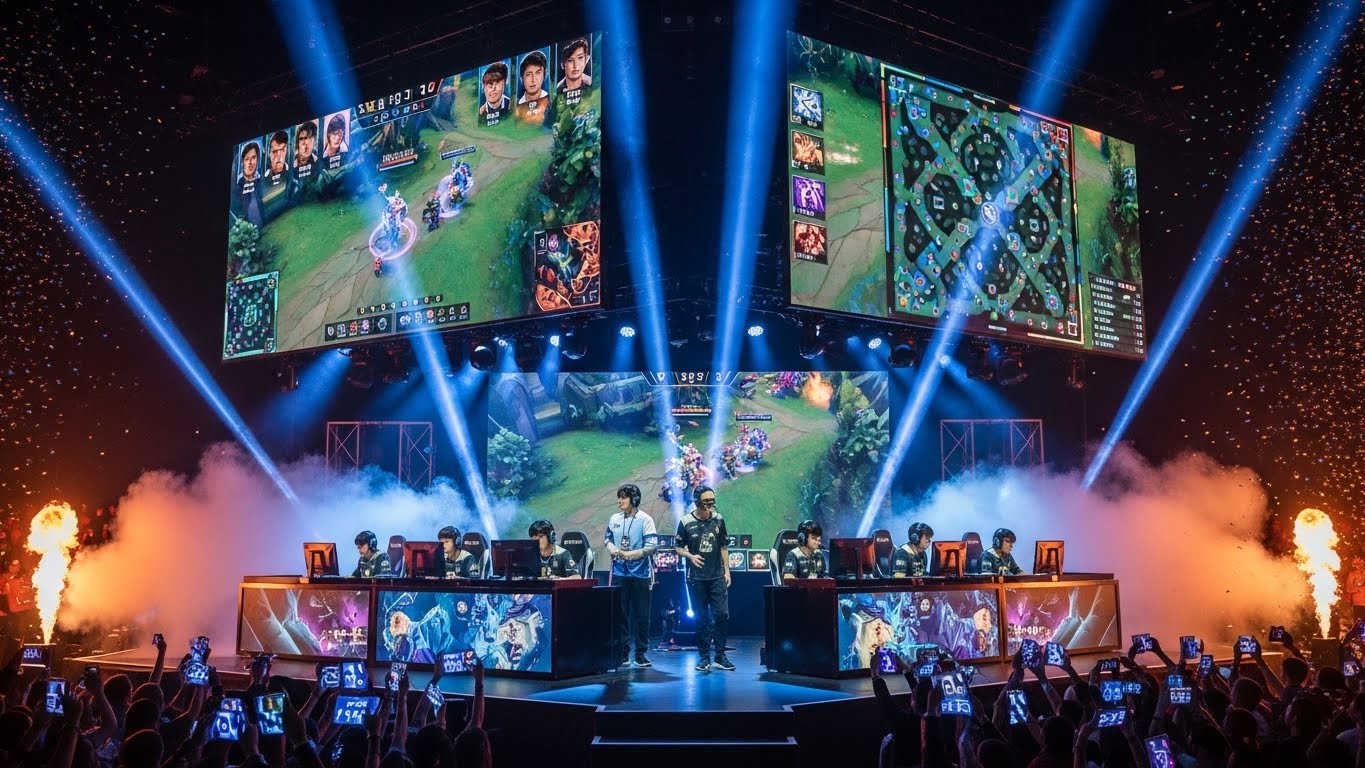
One of the most remarkable aspects of modern esports is the emergence of dedicated arenas and large-scale tournaments. Massive events now draw thousands of fans, complete with elaborate stages, production lighting, and live commentary. These tournaments are held internationally, bringing together teams from different countries and cultures. Winning a global tournament is a matter of prestige, comparable to winning in traditional sports. The scale and professionalism of these events highlight the legitimacy and global appeal of esports.
Life as a Professional Player
The lifestyle of a professional esports player is often misunderstood. Success requires discipline, practice, and strategic thinking. Players spend hours honing their skills, reviewing match footage, and working on coordination with their team. Physical fitness and mental health are also crucial; many organizations employ trainers and psychologists to support their players. Unlike casual gaming, professional esports demands peak performance under pressure, quick decision-making, and the ability to remain focused for extended periods. The professional player’s life is a delicate balance between dedication, skill development, and maintaining personal well-being.
The Economics of Esports
Esports has grown into a multi-billion-dollar industry. Revenue comes from tournament prize pools, sponsorships, advertising, merchandise, and media rights. Major tournaments now offer prize money rivaling that of traditional sports competitions. Sponsorships from tech companies, energy drinks, and other brands recognize esports’ influence over younger audiences. The financial ecosystem supports not only players but also coaches, commentators, analysts, event organizers, and content creators. The industry’s rapid growth demonstrates that esports is more than entertainment; it is a significant economic force shaping the digital landscape.
Changing Cultural Perceptions
Society’s perception of gaming has shifted dramatically. What was once dismissed as a trivial hobby is now regarded as a legitimate form of competition that requires skill, strategy, and teamwork. Universities and educational institutions have embraced esports by offering scholarships and academic programs focused on gaming performance and management. Esports players are increasingly seen as role models, inspiring fans to pursue dedication, problem-solving, and teamwork. The cultural impact extends beyond gaming, influencing media, fashion, and digital communication trends.
Diversity and Inclusion in Esports
Inclusivity is an ongoing conversation in the esports community. Historically, gaming has faced challenges with representation, but recent years have seen significant progress. Women’s leagues, mixed-gender teams, and grassroots initiatives are fostering diversity within the industry. By creating spaces for underrepresented groups, esports is becoming more accessible and welcoming. A focus on diversity strengthens the community, encourages fresh talent, and ensures sustainable growth for the industry as a whole.
Technological Innovations Driving Esports
Esports is uniquely positioned at the intersection of technology and entertainment. Innovations in graphics, hardware, and networking continue to enhance gameplay experiences. Virtual reality and augmented reality technologies promise new competitive formats that could transform the spectator experience. Artificial intelligence and analytics are being used to improve player performance, coaching strategies, and tournament organization. Esports thrives on technological advancement, making it a constantly evolving and dynamic industry.
The Future of Esports
The future of esports is bright, with endless possibilities. As traditional sports embrace digital integration, esports continues to grow in both scale and influence. Younger generations are increasingly drawn to interactive entertainment, and esports provides an arena for both competition and community building. The industry is expected to expand into education, entertainment, and global media, further solidifying its position as a mainstream cultural phenomenon. The continued growth of esports highlights the power of digital platforms in shaping modern recreation and competition.
Conclusion: The Global Impact of Esports
Esports represents more than competition; it is a cultural movement that connects people across the world. From humble beginnings in arcades and living rooms, esports has grown into a global industry with professional players, international tournaments, and massive fan followings. It has redefined the meaning of competition, demonstrated the economic potential of digital entertainment, and influenced culture in unprecedented ways. As esports continues to evolve, it will remain a powerful force in the worlds of entertainment, technology, and social connection, proving that the games we play can have a profound impact on the way we live, work, and interact.
About the Author