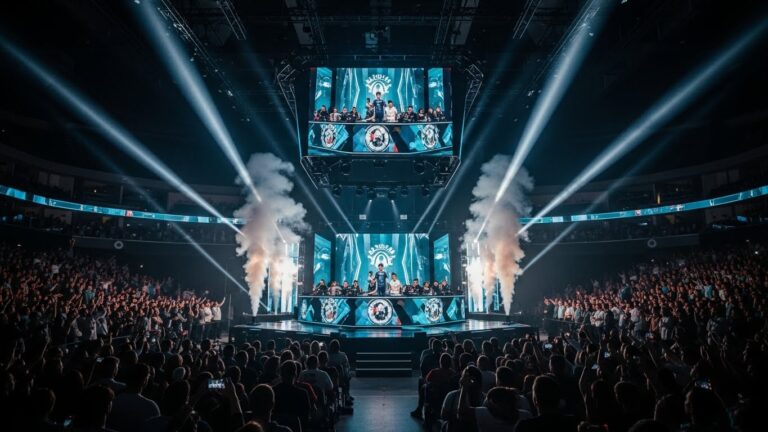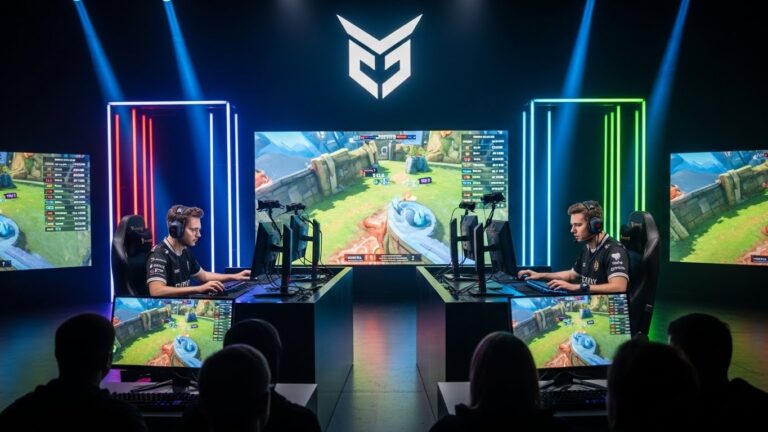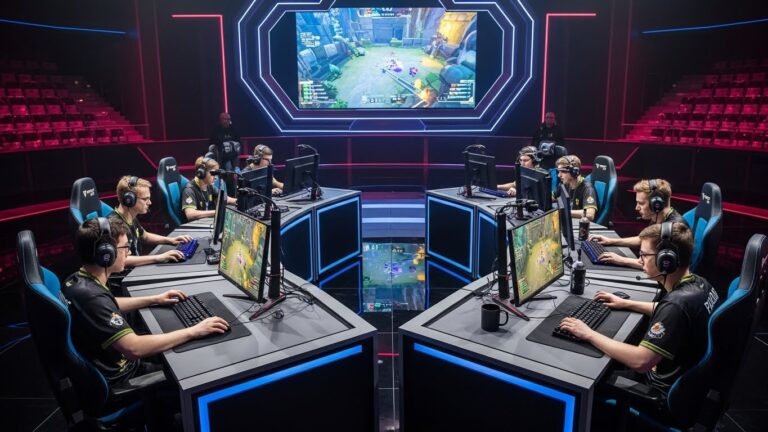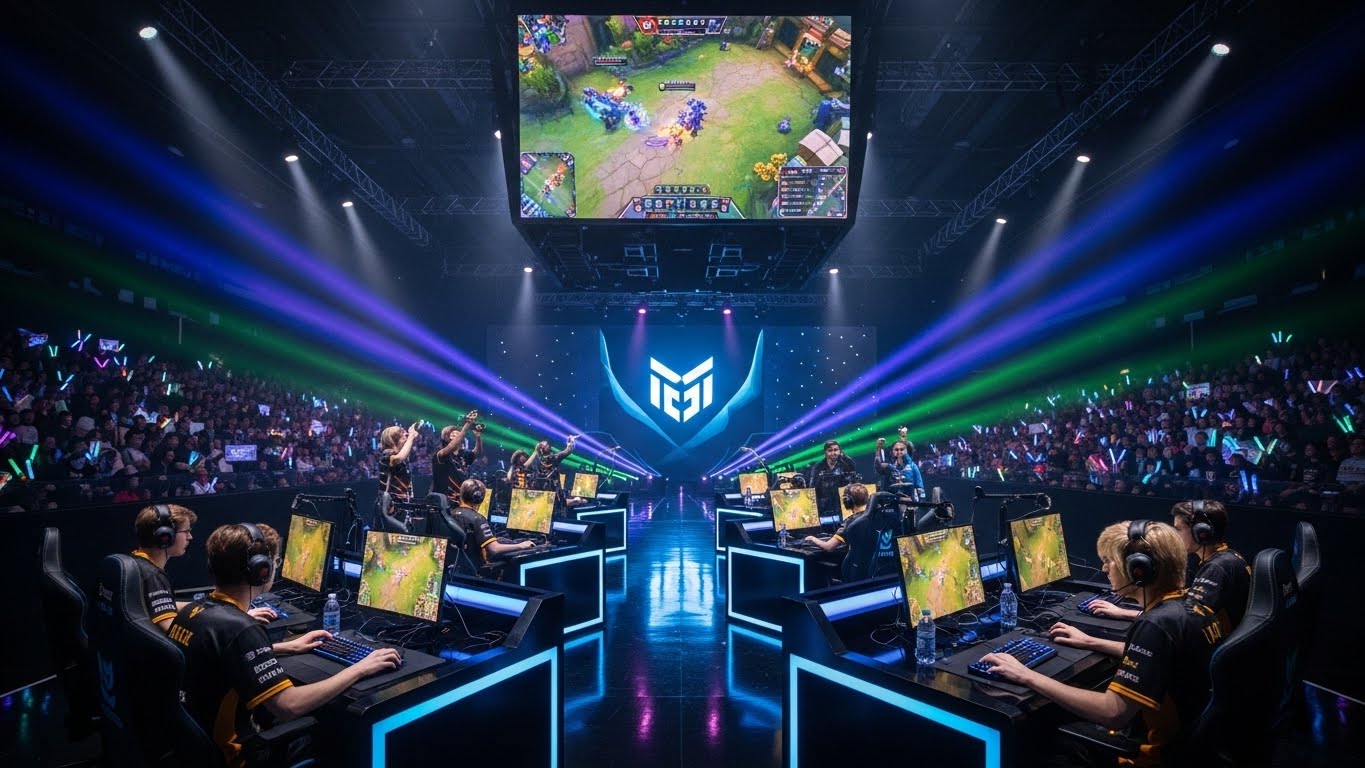
Esports has emerged as one of the most dynamic and rapidly growing sectors in modern entertainment. Once regarded as casual gaming among friends, esports has evolved into a professional industry with massive tournaments, professional teams, global audiences, and lucrative career opportunities. This digital revolution is transforming the way we understand competition, community, and culture, proving that competitive gaming is not just a pastime but a powerful force shaping the future.
The Origins of Esports
The roots of esports can be traced back to the early days of video gaming. In the 1970s and 1980s, arcades were the hub of competitive play. Games like Space Invaders, Pac-Man, and Donkey Kong attracted players eager to prove their skills. The first recorded video game competition took place in 1972 at Stanford University, featuring the game Spacewar.
As home computers and gaming consoles became widespread in the 1980s and 1990s, competitive gaming expanded into households. Players began organizing local tournaments and competing for recognition. The rise of the internet further transformed gaming by allowing players to compete online, breaking geographical boundaries and creating a global community.
Defining Esports Today
Esports refers to organized, competitive video gaming played individually or in teams. Unlike traditional sports, which focus on physical strength and endurance, esports emphasizes strategic thinking, reaction speed, precision, and teamwork. Popular genres include multiplayer online battle arenas, first-person shooters, real-time strategy games, and sports simulations.
Professional esports players train rigorously to master game mechanics, develop strategies, and enhance teamwork. Their dedication mirrors that of traditional athletes, with structured practice schedules, coaching sessions, and even physical and mental conditioning. This professionalism has elevated esports into a legitimate form of competitive sport.
The Professional Esports Landscape
The esports industry has matured into a complex ecosystem with professional teams, leagues, tournaments, sponsors, and fans. Teams like Cloud9, T1, and FaZe Clan operate similarly to traditional sports franchises, employing players, coaches, analysts, and support staff.
Major tournaments, such as the League of Legends World Championship, The International for Dota 2, and the Fortnite World Cup, attract millions of viewers worldwide. These events offer significant prize money and media exposure, turning professional gaming into a viable career. Beyond players, esports creates roles in commentary, broadcasting, event management, marketing, and content creation, highlighting its multifaceted nature.
Training and Skill Development
Becoming a professional esports player requires discipline, practice, and mental acuity. Players dedicate several hours daily to training, often focusing on mechanics, communication, and strategy. Team-based games require coordination and collaboration, while individual competitions test personal skill and decision-making under pressure.
Reflexes, hand-eye coordination, and multitasking are critical skills, but mental fortitude is equally important. Players must remain focused during long tournaments, cope with stress, and analyze opponents’ strategies in real time. This combination of physical and mental skill makes esports a demanding and competitive field.
The Role of Technology
Technology is the backbone of esports. High-performance computers, gaming consoles, fast internet connections, and precision peripherals allow players to compete at their best. Streaming platforms provide live coverage of tournaments, connecting fans and players worldwide. Analytics software helps teams study performance, identify patterns, and develop strategies.
Emerging technologies such as virtual reality and augmented reality are beginning to shape new forms of esports. AI tools can provide personalized coaching and training, helping players improve performance efficiently. The integration of technology continues to drive innovation, making esports a constantly evolving industry.
Mental and Physical Challenges
Esports is mentally and physically demanding. Players must maintain focus for extended periods, make rapid decisions, and respond to high-pressure situations. Mental fatigue, stress, and performance anxiety are common challenges, especially during professional tournaments.
Physically, long hours of gameplay can lead to eye strain, repetitive motion injuries, and posture-related issues. Many professional teams address these concerns by incorporating physical exercise, healthy nutrition, and regular breaks into training routines. Mental health support is also increasingly recognized as essential to prevent burnout and sustain performance.
Esports and Community
One of the defining features of esports is its vibrant global community. Fans engage through live streaming platforms, forums, and social media, discussing matches, analyzing strategies, and supporting their favorite players. These communities foster a sense of belonging, allowing people from diverse backgrounds to connect over shared interests.
Esports culture extends beyond gaming itself. Professional players often become celebrities, influencing fashion, entertainment, and lifestyle trends. Fan culture includes creating content, following tournaments, and participating in community events, strengthening the bond between players and audiences.
Economic Growth of Esports
Esports has become a billion-dollar industry. Revenue comes from sponsorships, advertising, merchandise, media rights, and tournament prize pools. Global brands invest heavily in esports to engage younger audiences, recognizing its marketing potential and cultural influence.
Prize pools for top tournaments are often astronomical. The International, a premier Dota 2 competition, has offered prize pools exceeding tens of millions of dollars. This financial incentive attracts talent worldwide and solidifies esports as a viable professional career path.
Esports and Education
Educational institutions increasingly incorporate esports into curricula, recognizing its value for skill development. Schools and universities offer esports programs, scholarships, and competitive teams, promoting teamwork, communication, leadership, and problem-solving skills.
Esports also provides an inclusive avenue for students who may not participate in traditional sports. By combining gaming with structured learning, educational programs prepare students for careers in technology, media, and digital entertainment while nurturing creativity and strategic thinking.
Inclusivity and Accessibility
Esports has the potential to be one of the most inclusive competitive activities. Physical limitations that may restrict participation in traditional sports often do not apply in esports. Players of all genders, abilities, and backgrounds can compete equally based on skill, strategy, and practice.
Despite this inclusivity, challenges remain. Representation, online harassment, and unequal access to resources continue to affect certain players and communities. Addressing these challenges is crucial to ensuring esports remains a welcoming and equitable space for all participants.
Challenges in the Esports Industry
Rapid growth has brought challenges to the esports industry. Player burnout, mental health issues, inconsistent regulations, and career sustainability are ongoing concerns. Maintaining fair competition and ethical standards is also critical, as cheating, match-fixing, and toxic behavior can undermine the industry’s credibility.
Sustainable growth requires collaboration among players, teams, sponsors, and governing bodies. Transparent regulations, mental health initiatives, and diversity programs are essential for long-term success and credibility.
The Future of Esports
The future of esports is promising and filled with innovation. Emerging technologies like virtual reality, AI, and cloud gaming will create new competitive formats. Global access to high-speed internet and streaming platforms will expand audiences, making esports more immersive and interactive.
Esports will likely continue to integrate with mainstream culture, including collaborations with traditional sports, entertainment, and media. This evolution ensures that esports is not just a digital pastime but a key component of modern competition and entertainment.
Conclusion
Esports represents a revolution in competitive entertainment, blending technology, strategy, skill, and community in a way that traditional sports cannot fully replicate. From its early arcade days to global professional tournaments, esports has demonstrated resilience, growth, and cultural relevance.
The industry has created new career paths, inspired communities, and challenged traditional ideas of competition. Players, fans, and organizations continue to push the boundaries of what is possible in gaming, making esports a driving force in the digital era.
Esports is more than just a game. It is a global movement that celebrates talent, strategy, creativity, and connection. As it continues to grow, esports will redefine competition, entertainment, and community for generations to come. The digital arena has become a stage where skill, innovation, and passion converge, proving that esports is not only here to stay but also to shape the future of competitive culture.
About the Author