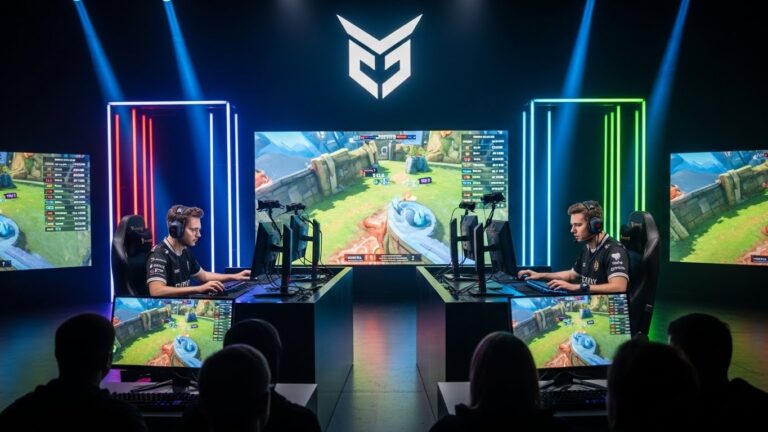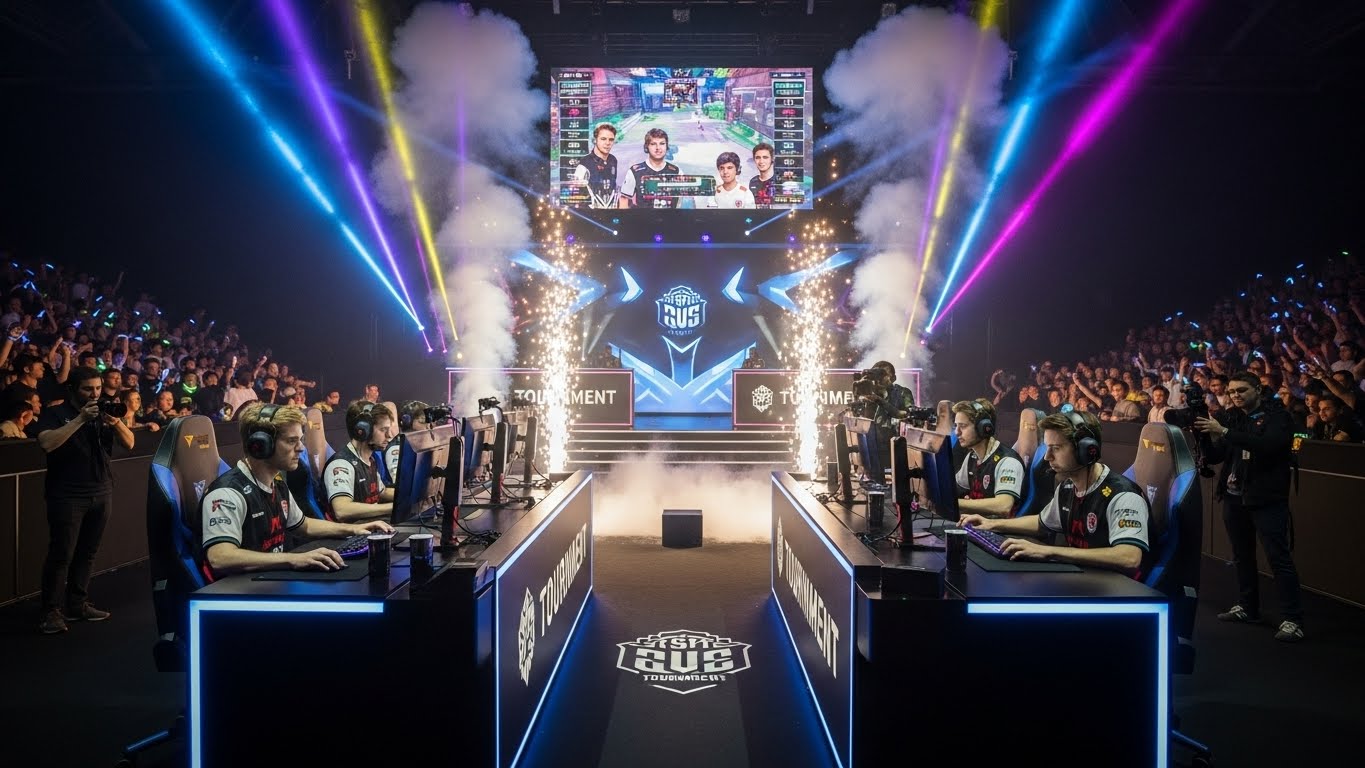
In recent years, esports has evolved from a niche hobby into a multi-billion-dollar industry with a global fanbase that rivals traditional sports. What was once considered a pastime for gamers has become a cultural phenomenon, with professional tournaments, massive sponsorships, and dedicated streaming platforms. From Dota 2 to Fortnite, League of Legends to Counter-Strike: Global Offensive, esports encompasses a wide range of competitive video games that attract millions of viewers and participants. But how did esports grow to its current status, and what does the future hold for this rapidly expanding industry? In this post, we’ll explore the rise of esports, its impact on the sports landscape, the challenges it faces, and the promising road ahead.
The Origins of Esports: From LAN Parties to Global Tournaments
The roots of esports can be traced back to the early days of video games. In the 1990s, the advent of local area network (LAN) parties allowed gamers to connect with each other in the same physical space to compete in games like Quake and Warcraft. These events were small-scale, but they laid the groundwork for what would eventually become a global phenomenon.
As internet access improved and online multiplayer games became more accessible, competitions moved from physical LAN events to virtual arenas. The late 1990s and early 2000s saw the rise of notable tournaments, including the Red Annihilation tournament in 1997, which featured the game Quake. The event was pivotal in demonstrating that esports could be more than just casual competition—it could be a professional pursuit.
The early 2000s also saw the creation of organizations like the Cyberathlete Professional League (CPL), which hosted large-scale esports tournaments with substantial cash prizes. These events attracted both professional players and enthusiastic fans, setting the stage for the explosion of esports that would follow.
Esports Today: A Billion-Dollar Industry
Fast forward to today, and esports is a massive industry with millions of players, teams, and fans around the world. According to a report by Newzoo, the global esports industry is expected to surpass $1.6 billion in revenue by 2024, with a fanbase of over 500 million people. The rise of esports is marked by several key factors, including its growing legitimacy as a competitive sport, the emergence of high-profile organizations and players, and the increasing interest from investors and brands.
One of the most significant developments in esports has been the mainstream recognition it has received in recent years. What was once considered a niche activity is now featured in major sporting events, such as the Asian Games, where esports was included as a medal event for the first time in 2018. Major brands and corporations are also getting involved, sponsoring events, players, and teams. Companies like Intel, Coca-Cola, Red Bull, and Nike have all invested in esports, helping to solidify its place in the entertainment and sports industries.
In addition, platforms like Twitch and YouTube have played a crucial role in esports’ growth. These platforms provide a space for players to stream their gameplay, attract fans, and build personal brands. For fans, watching live streams of esports tournaments has become a form of entertainment on par with traditional sports broadcasts.
Esports Tournaments and Major Titles
At the heart of esports lies the competitive tournament scene, where the best players and teams from around the world battle for prestige, titles, and large cash prizes. Some of the most well-known esports tournaments include the League of Legends World Championship, The International (Dota 2), and the Fortnite World Cup. These events draw millions of viewers both online and in-person, with the League of Legends World Championship alone attracting over 100 million viewers during its final stages.
One of the unique aspects of esports tournaments is the diverse range of games that are featured. Some of the most popular games in the competitive esports scene include:
- League of Legends (LoL): A multiplayer online battle arena (MOBA) game that has become one of the most played and watched games in esports history. Its World Championship is considered one of the premier events in the industry.
- Dota 2: Another MOBA game that has built its own massive following. The International, Dota 2’s world championship, offers some of the largest prize pools in esports, often exceeding $30 million.
- Counter-Strike: Global Offensive (CS:GO): A first-person shooter (FPS) that has maintained its status as one of the most popular competitive games for over a decade. CS:GO tournaments draw huge crowds and feature teams from all over the globe.
- Fortnite: Epic Games’ Fortnite has revolutionized the battle royale genre and become a significant player in esports, with its massive Fortnite World Cup offering a $30 million prize pool.
- Overwatch: Blizzard’s team-based FPS has carved out a niche in the esports scene with the Overwatch League (OWL), a franchised competition that brings together top teams from around the world.
These tournaments showcase the intense level of competition and skill required to succeed at the highest level of esports. Players train for hours each day, perfecting their strategies, teamwork, and individual mechanics. And with large cash prizes and sponsorship deals on the line, the stakes are incredibly high.
The Esports Ecosystem: Teams, Players, and Fans
The esports ecosystem is complex, with several key players contributing to its success. Professional players are at the center of the action, often forming or joining esports teams that compete in various tournaments and leagues. These teams typically consist of highly skilled players who specialize in specific roles within a game. Some of the most successful esports teams include Cloud9, Team Liquid, G2 Esports, and Fnatic.
In addition to players, coaches, analysts, and support staff also play crucial roles in team success. The training and preparation involved in esports are akin to traditional sports, with teams often employing specialists in areas like strategy, psychology, and physical fitness to help players reach their full potential.
The fans are another vital component of the esports ecosystem. Fans of esports often develop deep emotional connections with their favorite players and teams, much like fans of traditional sports. The sense of community is one of the reasons esports has grown so rapidly—fans can engage with players directly through live streams, social media, and online forums.
The Rise of Esports as a Career
As esports has grown, so too have the career opportunities within the industry. Professional players are not the only ones benefiting from the esports boom—there is now a wide array of job opportunities available in fields like game development, event production, broadcasting, and marketing. Esports has created a new career path for those interested in gaming, providing opportunities for both creative and technical professionals.
Many top esports players have turned their passion into lucrative careers, earning significant incomes through tournament winnings, sponsorships, and streaming. The highest-paid players, such as Johan “N0tail” Sundstein from Dota 2 and Tyler “Ninja” Blevins from Fortnite, have made millions of dollars from their esports careers.
Additionally, universities and colleges around the world have started offering esports scholarships and programs. These initiatives allow young players to pursue higher education while also honing their gaming skills, with the potential to turn professional after graduation. Some universities have even established their own esports teams, competing at the collegiate level and attracting significant sponsorships.
Challenges Facing the Esports Industry
Despite its rapid growth, esports faces several challenges that could hinder its long-term development. One of the most significant issues is the lack of standardized regulations across the industry. While traditional sports have established rules and governing bodies, esports lacks a unified structure, with different games and tournaments having their own sets of rules and regulations.
Another challenge is the mental and physical toll that professional gaming can take on players. Esports players often spend long hours practicing and competing, which can lead to burnout, stress, and health issues such as carpal tunnel syndrome or eye strain. There is growing awareness of the need for better player wellness programs and support structures to help mitigate these risks.
Moreover, the continued growth of esports depends on maintaining a balance between commercial interests and the integrity of competition. As esports becomes more financially lucrative, there is concern that the pressure to generate revenue could compromise the authenticity of the sport. For example, some tournaments have faced criticism for favoring big-name sponsors over the interests of players and fans.
The Future of Esports: Where Is It Headed?
Looking to the future, the esports industry shows no signs of slowing down. With the rise of new technologies like virtual reality (VR) and augmented reality (AR), the way esports is experienced could evolve dramatically. VR could bring a new level of immersion to esports, allowing players and fans to experience tournaments in a fully immersive environment.
Additionally, as the esports industry continues to grow, we may see even more crossover between esports and traditional sports. For example, traditional sports leagues like the NBA and NFL are beginning to invest in esports, either by creating their own teams or sponsoring esports events. This could lead to greater recognition of esports as a legitimate form of competition, with even more crossover in terms of media coverage and fan engagement.
Esports may also continue to expand its reach into new regions, particularly in countries where gaming culture is still emerging. As internet access improves globally and gaming hardware becomes more affordable, esports will have the opportunity to tap into new markets and grow its fanbase even further.
Conclusion: Esports as a New Era of Sports Entertainment
Esports is no longer a subculture—it’s a global phenomenon that has transformed how we think about competition, entertainment, and sports. From its humble beginnings in LAN parties to its current status as a billion-dollar industry, esports has captured the imagination of millions of players, fans, and investors worldwide. As the industry continues to evolve, it will undoubtedly face challenges, but the future of esports looks bright. Whether you’re a casual fan or a professional player, one thing is certain: esports is here to stay, and it’s shaping the future of sports in the digital age.
About the Author