Introduction
eSports has evolved from a niche community of gamers to a multi-billion-dollar global industry. What started as a hobby for enthusiasts has now become one of the most prominent entertainment sectors in the world. Competitive gaming has not only provided a platform for players to showcase their talents but also created a new kind of digital athlete, one who can compete at the highest level while being supported by a dedicated team, sponsors, and millions of fans worldwide. The growth of eSports has been nothing short of revolutionary, reshaping not only the gaming industry but also the world of entertainment, sports, and media.
Today, professional eSports tournaments attract millions of viewers, offering substantial prize pools and sponsorship deals that rival traditional sports events. Streaming platforms like Twitch and YouTube Gaming have opened the door for gamers to connect with global audiences, while popular games such as “League of Legends,” “Dota 2,” and “Fortnite” have created a competitive landscape that is more accessible than ever before. This post delves into the rise of eSports, its profound impact on the entertainment world, and what the future holds for this ever-expanding industry.
The Evolution of Competitive Gaming
The history of eSports can be traced back to the early days of arcade gaming, where players would compete for high scores on games like “Space Invaders” and “Pong.” However, the first true competitive gaming events began taking shape in the late 1990s and early 2000s as internet connectivity improved, enabling players to compete against one another from different locations. Titles like “Quake” and “Warcraft” set the stage for what would become the foundation of eSports.
As internet speeds improved and broadband became more widely available, multiplayer online games began to take off. This period marked a significant turning point in eSports, with players able to compete in real-time against others from all over the world. In South Korea, games like “StarCraft” became national pastimes, and professional leagues began to emerge. These leagues helped eSports grow into a mainstream activity in Asia, where the industry remains a dominant force.
The global appeal of eSports began to grow in the 2010s, thanks to games like “League of Legends” and “Dota 2,” which offered not only deep strategic gameplay but also expansive online communities. The arrival of platforms such as Twitch and YouTube Gaming allowed players to broadcast their skills and tournaments to millions of viewers worldwide, propelling eSports into the global spotlight.
The Professionalization of eSports
One of the most significant shifts in eSports’ growth was the transition from casual gaming to professional gaming. Just like traditional sports, eSports now features full-fledged teams, coaches, analysts, and managers who work behind the scenes to ensure success. The development of professional leagues for popular games has created an infrastructure that mirrors traditional sports leagues, with players signing contracts, receiving salaries, and participating in tournaments that offer life-changing prizes.
Tournaments and Leagues:
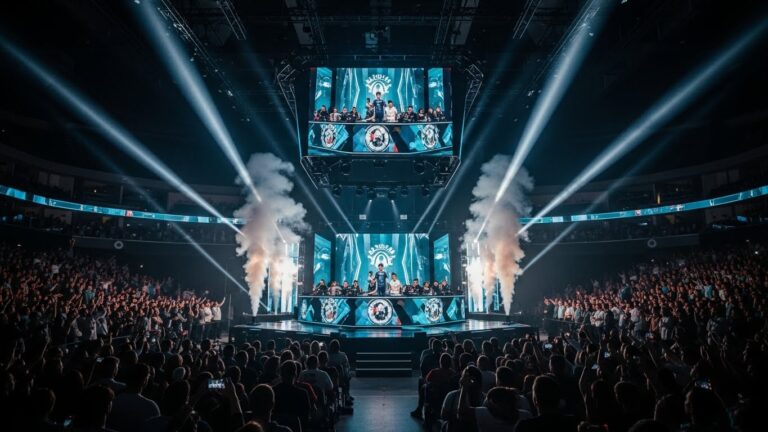
The rise of eSports has led to the establishment of professional tournaments and leagues that operate on a regular season, playoffs, and finals structure. For example, the “League of Legends World Championship” (known as “Worlds”) has become one of the most prestigious events in competitive gaming, with teams from around the world competing for a grand prize and international recognition. Similarly, “The International” for “Dota 2” boasts one of the largest prize pools in any sporting event, often exceeding $30 million.
The competitive calendar for eSports players is now packed with tournaments throughout the year, and there are professional leagues for almost every major eSports title. For example, the Overwatch League and Call of Duty League have established themselves as high-profile competitions, attracting global talent and broadcasting their events to millions of fans.
The Role of Players and Teams:
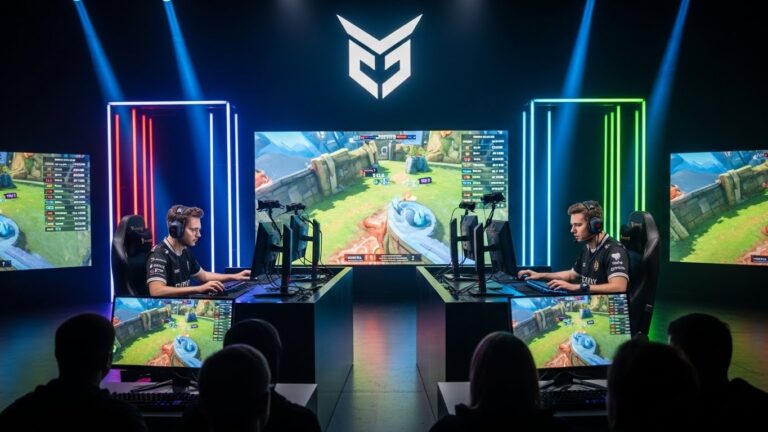
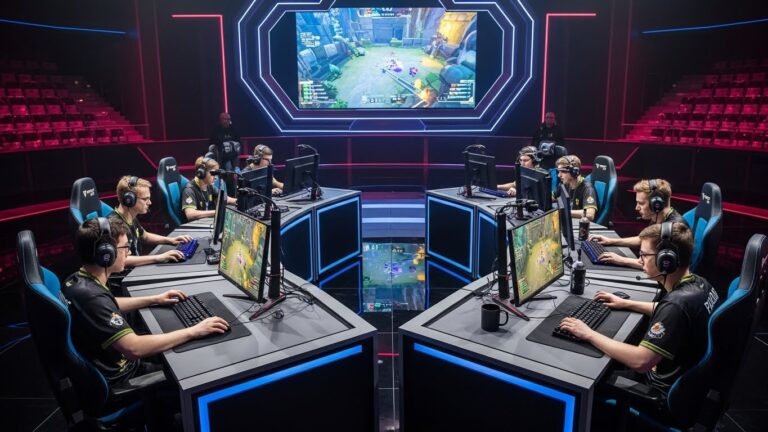
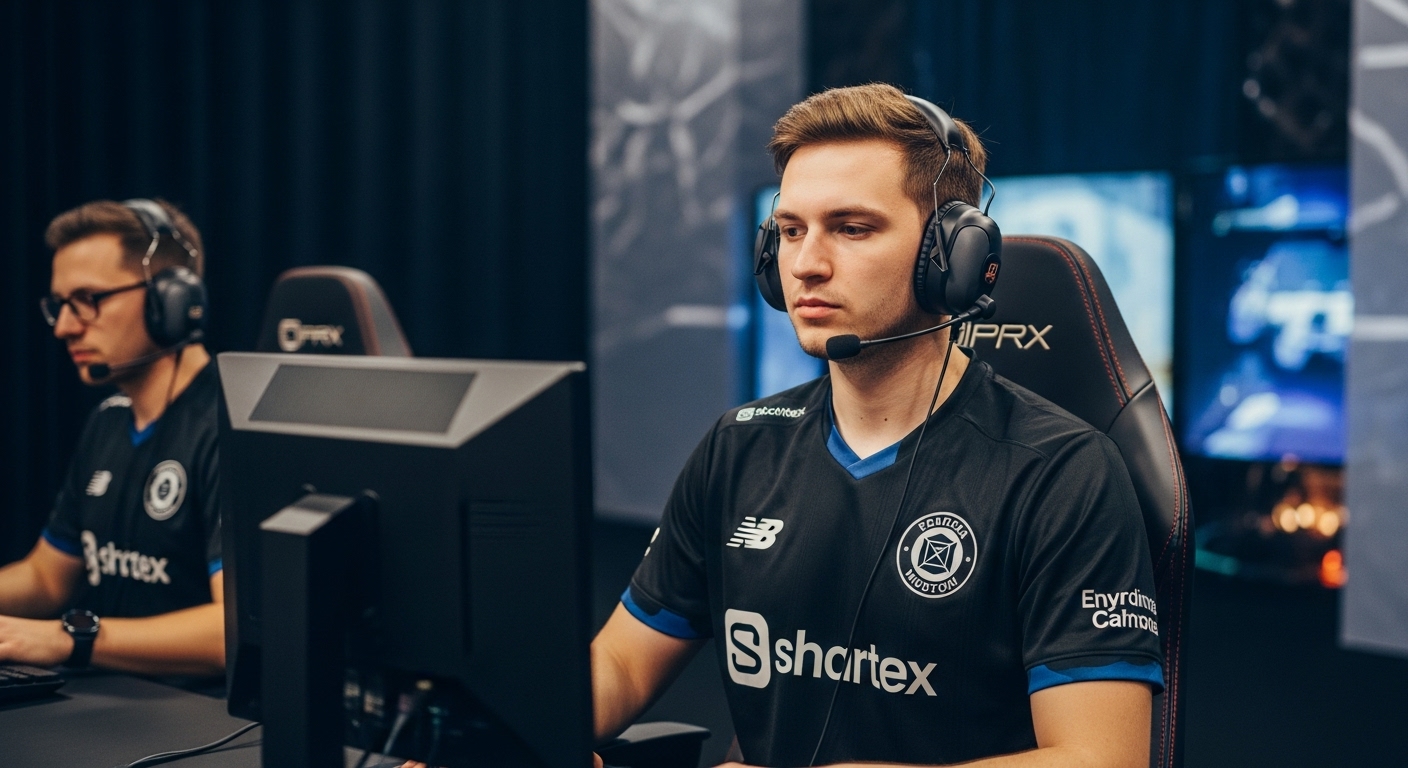
In professional eSports, players are treated like elite athletes. Successful players are signed by teams to represent their brand and compete in tournaments. These teams often consist of five or six players who specialize in specific roles or strategies within a game. Coaches and analysts support the players, helping them refine their skills, improve strategies, and maintain mental focus during long hours of training. The training regimen for eSports athletes mirrors that of professional sports, with players practicing for hours each day, watching game replays, and analyzing opponents’ strategies.
eSports teams are sponsored by major brands such as Intel, Red Bull, and Coca-Cola, which not only provide financial support but also help with branding, marketing, and merchandise sales. These sponsorships have become one of the primary revenue sources for teams and players, making professional eSports a sustainable career path for those who succeed in the field.
The Rise of Streaming and Digital Platforms
One of the key drivers behind the success of eSports has been the explosion of digital streaming platforms. In particular, Twitch has played a crucial role in popularizing eSports by offering gamers and viewers a platform to connect in real-time. Live-streaming allows players to share their gameplay with the world, while fans can watch their favorite players compete, chat with them, and even donate money to support them.
Twitch and YouTube Gaming:
Twitch, the leading live-streaming platform for gamers, has become synonymous with eSports. The platform allows users to broadcast their gameplay live and interact with fans in real-time through chat. Twitch has helped create a new breed of content creators who are not just professional players but also influencers in the gaming space. Viewers can subscribe to their favorite streamers, donate money, and even participate in live giveaways.
YouTube Gaming, a direct competitor to Twitch, also offers live-streaming and content creation tools for gamers. Both platforms have become essential to the eSports ecosystem, providing both entertainment and a way for players to make a living outside of traditional sponsorships and tournament winnings.
Monetization and Viewer Engagement:
Streaming platforms have introduced a new way for eSports players to monetize their content. Beyond sponsorships and tournament prizes, players can earn revenue through ad revenue, subscriptions, donations, and merchandise sales. With millions of viewers watching eSports competitions and streams daily, the potential for streamers to make a substantial income is enormous. Popular streamers such as Ninja, Shroud, and Pokimane have made millions of dollars annually through streaming and brand partnerships.
The interactive nature of streaming platforms has also created a unique relationship between players and fans. Viewers can directly engage with players, ask questions, and even influence the content that is streamed. This sense of community and direct engagement has helped foster a loyal and growing fan base for both players and teams.
The Economic Impact of eSports
eSports is now a multi-billion-dollar industry, and its economic impact is far-reaching. From sponsorship deals and media rights to ticket sales and merchandise, eSports has become an economic powerhouse that rivals traditional sports in many ways.
Sponsorships and Brand Partnerships:
Major companies like Intel, Coca-Cola, and Adidas have all recognized the value of investing in eSports. Sponsorships from these companies provide teams and tournament organizers with the financial support they need to run events, provide players with the latest equipment, and expand their operations. For example, the “League of Legends World Championship” has been sponsored by brands like Louis Vuitton, whose partnership includes designing custom items for the game’s players.
Prize Pools and Player Earnings:
One of the most remarkable aspects of eSports is the size of its prize pools. Tournaments like “The International” have prize pools that can exceed $30 million, with the winning team taking home a significant portion of that amount. While top players can earn millions from tournament winnings, they also supplement their income by streaming, participating in sponsored content, and selling merchandise. This has created a new wave of professional gamers who can earn a living doing what they love, similar to traditional athletes.
Merchandise and Ticket Sales:
In addition to the revenue generated from tournaments and streaming, eSports organizations and teams make money through the sale of branded merchandise. Fans can purchase jerseys, t-shirts, hats, and other items to show their support for their favorite teams. Live events also contribute to the financial success of eSports, with ticket sales, food and beverage sales, and merchandise purchases contributing to overall revenue. The “League of Legends World Championship” regularly attracts thousands of fans to stadiums and arenas, generating millions in ticket sales and live event revenues.
The Cultural Impact of eSports
The cultural impact of eSports is undeniable. It has reshaped the way people view gaming and competition, turning what was once considered a solitary hobby into a global phenomenon that fosters community, teamwork, and excitement.
Global Fanbase:
eSports has created a truly global community. Fans from around the world can connect over their shared passion for gaming, regardless of language or location. The international nature of eSports means that tournaments are watched by fans in every corner of the world. Fans can follow their favorite teams, watch live streams, and participate in online discussions, making eSports a universal form of entertainment.
Youth Engagement and Career Opportunities:
eSports has also provided new career opportunities for younger generations. While many young people have long aspired to become athletes in traditional sports, now they can look to gaming as a legitimate career. Players, coaches, analysts, streamers, and event organizers all have careers in the eSports industry. As the industry grows, so do the job opportunities, allowing people to pursue careers in a sector they are passionate about.
The Future of eSports: Challenges and Opportunities
As eSports continues to grow, there are both challenges and opportunities ahead. One of the biggest challenges is ensuring the mental and physical well-being of professional players. The demanding schedules, intense competition, and pressure to perform can take a toll on players’ health. It is important for the industry to address issues like burnout and provide players with the support they need to succeed in both their professional and personal lives.
About the Author