Esports has evolved from a small, underground niche into a global powerhouse, captivating millions of fans and providing professional opportunities to gamers worldwide. What was once a hobby for passionate gamers has now become a thriving industry, with high-profile tournaments, professional leagues, sponsorships, and millions of dollars in prize pools. In this blog post, we’ll explore the meteoric rise of esports, its cultural impact, and its future in the world of entertainment.
The Evolution of Esports: From Hobby to Global Phenomenon
Esports, or electronic sports, has come a long way since its humble beginnings. In the early 2000s, competitive gaming existed in smaller, localized communities, often centered around LAN (Local Area Network) parties and small-scale tournaments. While these events had dedicated followings, the scope was limited.
The real turning point for esports came with the rise of online gaming, which allowed players to compete against one another from across the globe. Games like StarCraft, Warcraft III, and Counter-Strike laid the foundation for competitive gaming, with players forming teams and participating in online tournaments. By the mid-2000s, esports had begun to gain traction in countries like South Korea, where games like StarCraft reached almost cult-like status.
The explosion of streaming platforms such as Twitch in the early 2010s gave esports the visibility it needed to reach a global audience. As more viewers tuned into competitive gaming events, esports began to evolve into the massive industry it is today.
The Players: From Amateurs to Professionals
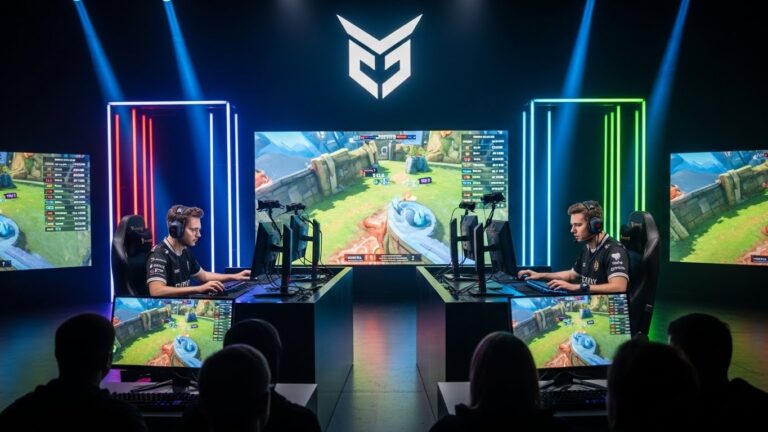
One of the most exciting aspects of esports is the professionalization of competitive gaming. While the first esports tournaments were amateur in nature, today’s top players are full-time professionals who train as hard as athletes in traditional sports.
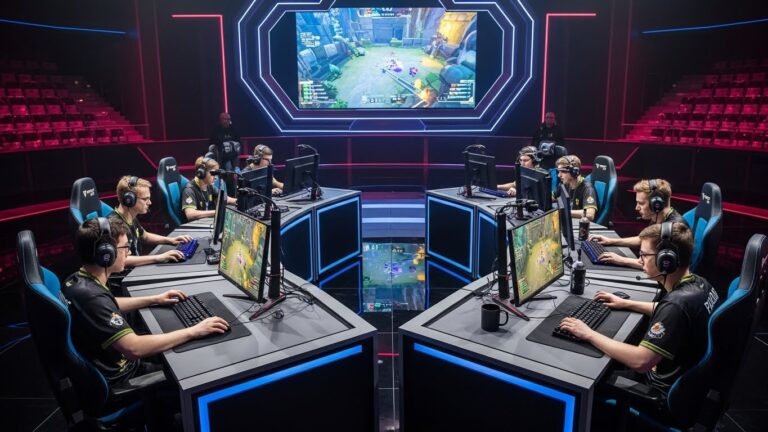
Becoming a professional esports player takes more than just casual gaming—it requires intense practice, strategic thinking, and exceptional skill. In games like League of Legends, Dota 2, Counter-Strike: Global Offensive, and Fortnite, players spend hours each day honing their skills, perfecting strategies, and coordinating with teammates.
Professional esports players often belong to organizations, similar to traditional sports teams, which provide financial support, coaching, and guidance. These teams, such as Cloud9, Team Liquid, and T1, have become synonymous with success in the esports world, attracting top talent from around the globe. Players earn salaries, endorsement deals, and share in the prize money from tournaments, with some of the biggest competitions offering multi-million-dollar prize pools.
The Spectacle of Esports: Tournaments and Events
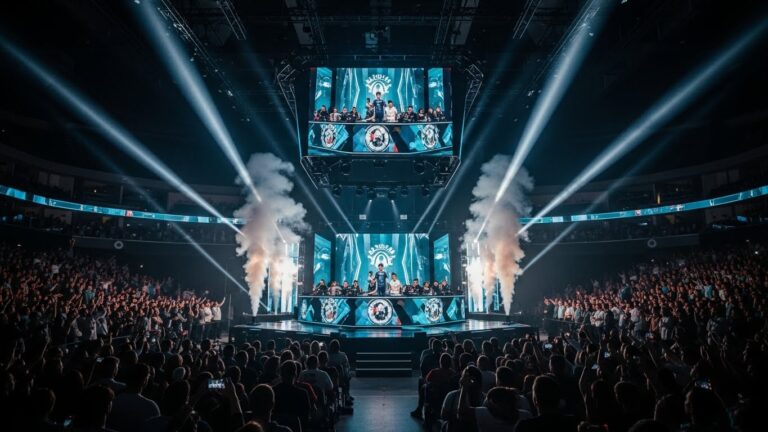
Esports tournaments have grown into large-scale events that fill arenas and draw millions of viewers online. Major competitions, such as The International (Dota 2), League of Legends World Championship, and CS:GO Major Championships, have turned into global spectacles. These tournaments aren’t just about the prize money—they are celebrations of gaming culture, where fans gather to cheer for their favorite teams and players.
What makes esports tournaments unique is their ability to blend traditional sports’ competitive nature with the digital world. Many of these events take place in iconic arenas, such as the Staples Center in Los Angeles or the Mercedes-Benz Arena in Berlin, where fans pack the stadiums to watch their favorite teams battle it out. But even for those who can’t attend in person, online streaming platforms offer real-time coverage, making esports accessible to anyone with an internet connection.
These tournaments have become more than just competitive events—they are a source of entertainment, offering intense action, dramatic storylines, and passionate fanbases. The excitement of watching a high-stakes match unfold, especially in front of a live audience, mirrors the experience of watching traditional sports.
The Global Esports Audience: A New Kind of Fanbase
One of the key reasons for esports’ success is its ability to connect with a diverse, global audience. Unlike traditional sports, esports fans can tune in from anywhere in the world, as long as they have an internet connection. The digital nature of esports allows for a truly global fanbase, with viewers from every continent and culture.
Esports has especially resonated with younger generations, who are more likely to consume digital content rather than traditional television. According to recent studies, over 450 million people watched esports events in 2020, and this number is only expected to grow. Esports viewership is steadily increasing, with some major events even surpassing traditional sports broadcasts in terms of online views.
Streaming platforms like Twitch have played a central role in this growth. Not only do they host live streams of major tournaments, but they also provide a space for casual gamers, streamers, and influencers to build dedicated communities. Streamers, who may not participate in professional tournaments, have become celebrities in their own right, attracting large followings and earning income through subscriptions, donations, and sponsorships.
The Business of Esports: Sponsorships, Investments, and Partnerships
As esports has grown, it has attracted significant investment from major companies and brands. Sponsorships have become a crucial revenue stream for professional teams and events. Companies like Intel, Red Bull, Coca-Cola, and Mercedes-Benz have all signed sponsorship deals with top-tier esports organizations. These partnerships provide teams with financial backing while offering brands exposure to esports’ ever-growing audience.
The money flowing into esports is not limited to sponsorships. The rise of esports betting has added another layer of commercial activity. Just like traditional sports betting, fans can place wagers on the outcomes of esports matches. This has added an extra level of engagement and excitement for fans, with esports bookmakers offering odds on major tournaments and games.
In addition to sponsorships, esports organizations also make money from merchandise sales, streaming revenue, and ticket sales for live events. The financial growth of esports has created new job opportunities, from team management to event production, and has cemented esports as a legitimate, sustainable industry.
The Future of Esports: Where Is It Heading?
The future of esports is incredibly promising, with more innovations and opportunities on the horizon. Here are some key trends that are likely to shape the future of competitive gaming:
Mobile Esports
Mobile gaming is growing at an exponential rate, and with it, mobile esports. Games like PUBG Mobile, Free Fire, and Mobile Legends have gained enormous popularity, particularly in regions like Southeast Asia, where smartphones are the primary gaming devices. Mobile esports tournaments are already drawing huge crowds, and as mobile gaming continues to improve, we can expect this sector to become a major part of the esports ecosystem.
Virtual Reality (VR) and Augmented Reality (AR)
VR and AR technologies are transforming the gaming experience, and esports is no exception. Virtual reality, in particular, has the potential to take esports competitions to a whole new level by creating fully immersive environments for both players and viewers. As VR and AR technologies improve, we could see a rise in new forms of esports that are more interactive and engaging than anything we’ve seen before.
Esports in Education and Scholarships
Esports is becoming more widely recognized as a legitimate career path, and as a result, many universities and colleges are offering scholarships to talented gamers. In the United States, schools like the University of California, Irvine, and the University of Utah now have varsity esports teams. These academic institutions recognize the value of esports as both a competitive sport and a potential career, offering players the chance to pursue their education while competing at the highest level.
Conclusion: Esports—A Cultural Revolution in Competitive Entertainment
Esports has undeniably changed the landscape of gaming, transforming it from a casual pastime into a full-fledged, professional industry. The rise of esports has not only provided new opportunities for gamers but has also created a new form of entertainment that resonates with millions of fans around the world. With its ability to unite people across borders, offer exciting competitions, and create meaningful career opportunities, esports is poised to continue growing and evolving in the years to come.
Whether you’re a player, a fan, or someone who’s just beginning to explore the world of competitive gaming, it’s clear that esports is not just a trend—it’s a revolution in how we experience competition and entertainment in the digital age.
About the Author