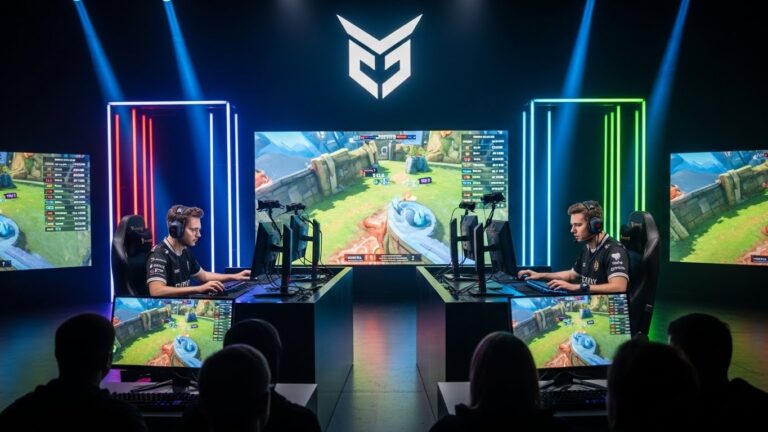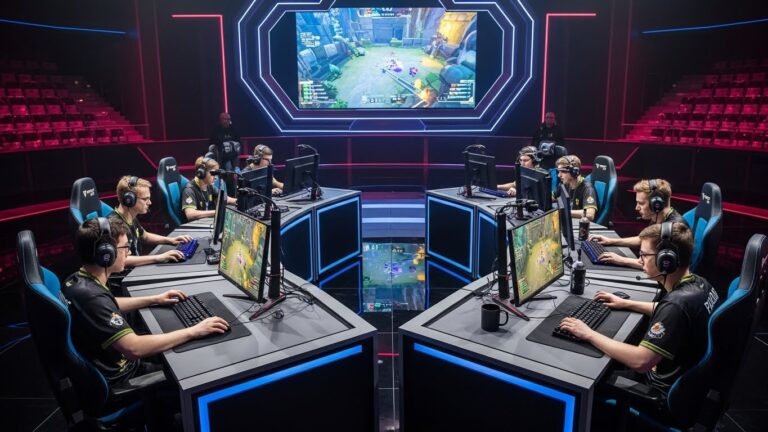
Esports, or electronic sports, has evolved from a niche hobby into a mainstream entertainment industry that spans the globe. While competitive gaming has been around since the early days of video games, the exponential growth of esports over the past decade has been nothing short of extraordinary. What was once a hobby enjoyed by a few dedicated fans is now a billion-dollar industry with professional leagues, international tournaments, and millions of viewers. In this post, we will explore the rise of esports, its cultural impact, the key players and teams, and its promising future.
What is Esports?
Esports is a term used to describe competitive video gaming, where professional players, either individually or as part of a team, compete in various video games to win tournaments or leagues. These competitions are often organized at local, regional, and international levels, with players competing for cash prizes, sponsorships, and titles. Esports covers a wide range of genres, from first-person shooters like Counter-Strike: Global Offensive and Call of Duty to multiplayer online battle arenas (MOBAs) such as League of Legends and Dota 2.
What distinguishes esports from casual gaming is its highly competitive nature. Professional esports athletes train for hours each day, refining their skills, strategies, and teamwork. Esports events are typically live-streamed to millions of viewers on platforms like Twitch, YouTube Gaming, and Facebook Gaming. These broadcasts feature live commentary, analysis, and in-depth coverage, providing viewers with a fully immersive experience akin to traditional sports.
The Origins of Esports
The history of esports dates back to the 1970s and 1980s when arcade games like Space Invaders and Pong became popular. The first significant competitive gaming event occurred in 1980 with the Space Invaders Championship, which attracted over 10,000 participants. However, it wasn’t until the late 1990s that esports began to develop more structure. Games like StarCraft, Quake, and Warcraft III started to gather competitive communities, leading to the establishment of local tournaments and organized events.
By the early 2000s, gaming culture had shifted with the rise of online multiplayer games, and professional competitions began to gain serious attention. The advent of broadband internet allowed gamers to compete against each other remotely, and the first professional esports leagues emerged. Notable events such as the World Cyber Games and Electronic Sports World Cup helped lay the foundation for the global esports scene that would emerge in the following decades.
The Growth of Esports in the 2010s
The 2010s marked the true explosion of esports. Streaming platforms like Twitch and YouTube Gaming played a pivotal role in this growth by providing a platform for fans to watch their favorite players and teams in real-time. Twitch, launched in 2011, quickly became the go-to site for live gaming broadcasts, and it was later acquired by Amazon in 2014. These platforms made esports accessible to a wider audience, and the demand for content grew exponentially.
Meanwhile, games like League of Legends and Dota 2 became major esports titles, with tournaments offering multi-million dollar prize pools. The League of Legends World Championship, for example, became one of the largest esports events in the world, drawing in millions of viewers each year. The success of these games helped establish esports as a legitimate and profitable form of entertainment.
As esports grew in popularity, so too did the level of competition. Professional esports teams began to form, signing top players to compete in various games. These teams often operated like traditional sports organizations, with full-time coaching, management, and sponsorship deals. The growing presence of esports in the media also led to traditional sports organizations and celebrities taking notice, with notable figures such as Shaquille O’Neal, Michael Jordan, and Drake investing in esports teams and tournaments.
Esports as a Multi-Billion Dollar Industry
Today, esports is a multi-billion dollar industry, and its economic impact is felt across several sectors. Sponsorships, media rights, merchandise sales, and live event revenues are some of the primary sources of income for esports organizations and tournament organizers. Major companies from various industries, including tech giants like Intel, Nvidia, and Logitech, as well as brands like Coca-Cola, Red Bull, and Audi, have all heavily invested in esports sponsorships.
Sponsorships are one of the biggest revenue streams in the esports ecosystem. Major brands recognize that esports is a powerful way to reach younger, tech-savvy audiences who may be difficult to engage through traditional forms of advertising. Esports organizations often feature brand logos on team jerseys, event venues, and digital streams, providing companies with global exposure. Additionally, esports tournaments and leagues are broadcast on platforms such as Twitch, YouTube, and Facebook, where ads and sponsorships generate significant revenue.
The growth of media rights is another major driver of esports’ financial success. As esports tournaments attract millions of viewers worldwide, media companies have increasingly sought the rights to broadcast these events. Streaming platforms like Twitch and YouTube offer exclusive broadcasting deals with tournament organizers, while traditional television networks are starting to air esports competitions. This expansion of media coverage is contributing to the mainstream acceptance of esports as a legitimate form of entertainment.
The Players and Teams Driving Esports Success
At the heart of esports are the players and teams that drive the competition. Professional esports players are highly skilled and dedicated athletes who spend countless hours practicing and strategizing to improve their performance. Unlike traditional sports, where physical prowess plays a major role, esports requires exceptional hand-eye coordination, reflexes, and mental acuity.
Top-tier esports players often have lucrative sponsorships, personal brands, and large social media followings. Players in popular games like League of Legends, Dota 2, and Fortnite can earn significant prize money, with some top players raking in millions of dollars from tournament wins, sponsorships, and streaming income. These athletes train in a structured environment, with coaches, analysts, and support staff guiding them to improve their skills and achieve success.
Esports teams operate similarly to traditional sports organizations, with established rosters of players, coaches, managers, and analysts. Organizations such as Team Liquid, Fnatic, Cloud9, and G2 Esports are household names within the esports community, and these teams compete in major leagues and tournaments across multiple games. Teams sign players to long-term contracts, offer salaries, and help with training and travel expenses. The competitive nature of esports means that the stakes are high for both players and teams, with only the best rising to the top.
The Global Appeal of Esports
One of the most striking features of esports is its global appeal. While traditional sports tend to be regionally focused, esports has attracted a truly international following. The ability to compete online means that players from different countries and continents can face off against each other, creating a diverse and inclusive community.
Esports tournaments are watched by millions of fans around the world, with major events such as the League of Legends World Championship and The International reaching global audiences. Fans engage with the games not only through viewing tournaments but also by participating in online communities, streaming platforms, and social media discussions. The level of interaction between fans and players has created a unique digital ecosystem where fans can support their favorite teams, donate to players, and even attend live events.
Furthermore, esports has transcended cultural and language barriers. Games like Dota 2 and CS:GO have large, dedicated fan bases in regions such as North America, Europe, Asia, and South America. The universal nature of gaming has brought people together from different parts of the world, fostering a sense of community and camaraderie among fans.
The Future of Esports
The future of esports is bright, with many exciting developments on the horizon. As technology continues to advance, new innovations are set to transform the way people experience competitive gaming. Virtual reality (VR) and augmented reality (AR) are likely to play a larger role in esports, offering fans more immersive viewing experiences and creating new forms of competition.
Mobile gaming is another area of growth within esports. The popularity of games like PUBG Mobile and Free Fire has demonstrated that mobile platforms can host competitive gaming on a global scale. As smartphones become more powerful, the potential for mobile esports to rival traditional gaming platforms is substantial.
The continued rise of esports will likely lead to greater institutional recognition, with universities and colleges offering scholarships for esports players. Some institutions have already established esports programs, and this trend is expected to grow, creating more opportunities for young gamers to pursue careers in competitive gaming.
Esports is also poised to continue its integration into mainstream media. Traditional sports organizations are beginning to recognize the potential of esports, and collaborations between esports and traditional sports leagues are becoming more common. This blending of industries could help push esports even further into the cultural spotlight.
Conclusion
Esports has come a long way since its humble beginnings, and it is now a global industry with millions of fans, professional players, and substantial economic impact. The rise of esports is a testament to the power of technology, community, and entertainment, and its growth shows no signs of slowing down. With the continued development of streaming platforms, mobile gaming, and new technologies, esports is set to become an even more integral part of the entertainment landscape in the years to come. Whether you’re a player, a fan, or just someone looking to learn more about this exciting world, one thing is clear: esports is here to stay.
About the Author