Introduction: Gaming Transformed
Esports has shifted from a niche hobby into a worldwide cultural and competitive force. What began as casual competitions among friends has evolved into a billion-dollar industry with professional athletes, massive tournaments, and dedicated fan bases spanning the globe. The growth of esports highlights the transformative impact of technology on entertainment and sports, creating an entirely new arena where skill, strategy, and passion converge. This blog explores the evolution of esports, its significance, and its future as a mainstream cultural phenomenon.
The Humble Beginnings of Competitive Gaming
The origins of esports can be traced back to the late 1970s and early 1980s when arcade games like Space Invaders and Pac-Man gained popularity. Early tournaments were small-scale but revealed a growing interest in competitive gameplay. Players tested their abilities for high scores, and communities started forming around the thrill of competition.
The 1990s expanded competitive gaming into homes through consoles and PC games. Street Fighter, Mortal Kombat, and Super Smash Bros. became widely played in local tournaments. However, it was the rise of PC games with online connectivity that truly laid the groundwork for esports as we know it today. Titles like StarCraft and Quake enabled players to compete globally, paving the way for professional gaming leagues.
The Internet Revolution and Global Competitions
The proliferation of the internet transformed gaming from a solitary or local activity into a global sport. Online multiplayer games created opportunities for players to compete across countries in real time. During the early 2000s, games like Counter-Strike, Warcraft III, and Dota established themselves as esports staples. International tournaments began offering substantial prize pools, allowing talented players to consider professional gaming as a viable career path.
The internet also fostered online communities where fans could follow players, discuss strategies, and share gameplay experiences. These communities created a culture of engagement that fueled esports growth and set the stage for its mainstream adoption.
The Streaming Revolution: Connecting Fans and Players
One of the biggest factors in esports’ rise is the advent of live streaming platforms. Streaming enabled audiences worldwide to watch professional matches in real time, eliminating the barriers of location and traditional broadcasting. Talented players could showcase their skills to millions of viewers, building personal brands and attracting sponsorships.
Streaming platforms also created a new kind of interaction. Fans could engage directly with players, participate in live chats, and experience matches with unprecedented intimacy. This interactivity strengthened the sense of community in esports and solidified its status as a spectator sport.
Professionalization and Training in Esports
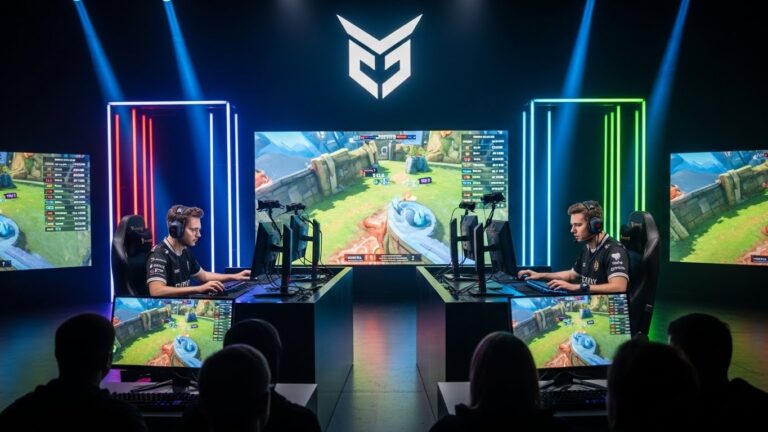
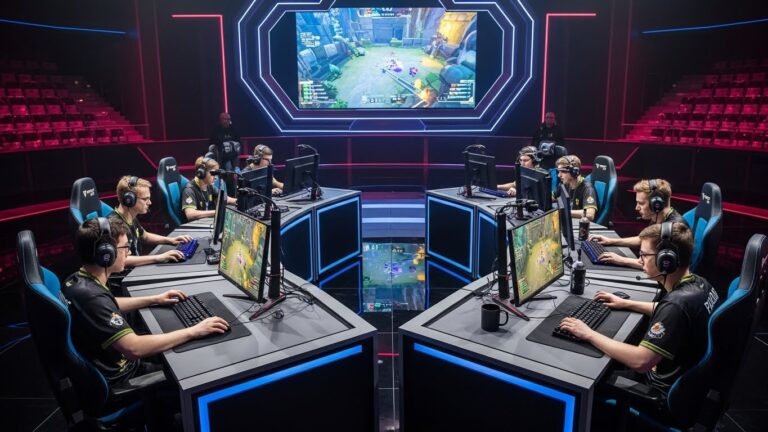
Modern esports has become highly professional. Top teams and organizations now treat players like traditional athletes, providing structured training regimens, coaching staff, nutritionists, and mental wellness programs. Players practice for several hours each day, focusing on strategy, teamwork, and mechanical skill.
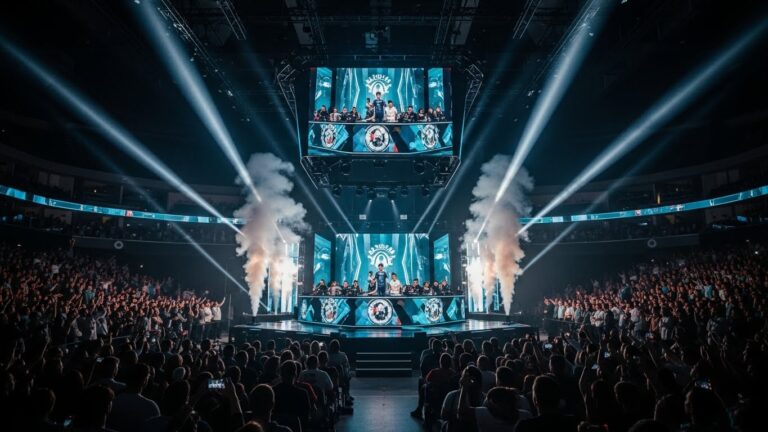
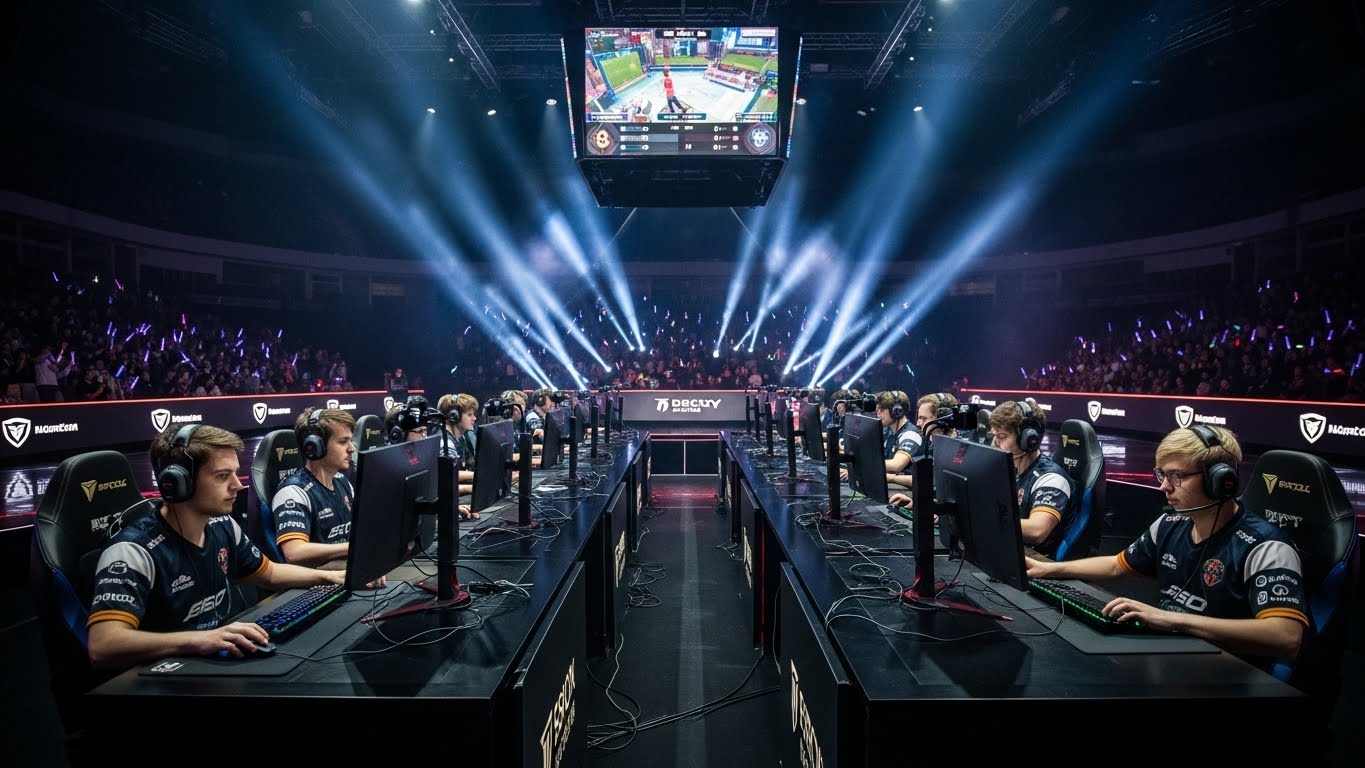
Tournaments now resemble traditional sporting events with high production value. Stadiums filled with cheering fans, live commentary, and elaborate stage setups have become standard. The industry also offers financial rewards comparable to mainstream sports, with top players earning substantial salaries, sponsorships, and prize winnings.
Popular Esports Games and Their Impact
Several games dominate the esports scene because of their strategic depth, competitive balance, and community engagement. League of Legends, Dota 2, Counter-Strike, Valorant, and Overwatch are among the most prominent titles. Each game has cultivated a dedicated competitive scene with yearly championships and global fan engagement.
League of Legends, for instance, is known for its massive international tournaments and passionate fanbase. Dota 2 attracts attention for its exceptionally large prize pools, often crowdfunded by the community. Tactical shooters such as Counter-Strike and Valorant are celebrated for intense, high-skill gameplay that keeps audiences on the edge of their seats. These games define the modern esports ecosystem and inspire future competitive titles.
Esports Organizations and Sponsorships
Esports organizations play a central role in supporting players and structuring professional competition. Teams like T1, Fnatic, Cloud9, and G2 Esports have become globally recognized brands. These organizations provide salaries, coaching, and career development opportunities while building loyal fan communities.
Sponsorships are equally vital, as brands from technology, apparel, beverage, and automotive industries invest heavily in esports. These partnerships enhance the visibility and credibility of competitive gaming, enabling organizations to fund player development, tournaments, and international expansion.
Esports as a Career Path and Cultural Phenomenon
Esports has become a viable career path for many young individuals. Unlike traditional sports, competitive gaming allows players to train and compete from home while building their personal brand through streaming and social media. Universities and high schools increasingly recognize esports as a legitimate competitive activity, offering scholarships and forming official teams.
Beyond careers, esports has influenced youth culture and global entertainment trends. It has inspired fashion, music, and media, creating a shared language and community among players and fans worldwide. Esports represents a shift in how younger generations perceive competition, achievement, and entertainment.
Social and Cognitive Benefits of Esports
Esports is more than just a pastime; it fosters social interaction and cognitive development. Players build teamwork skills, communication strategies, and problem-solving abilities while navigating complex in-game scenarios. Hand-eye coordination, reflexes, and multitasking are also enhanced through regular gameplay.
The social aspect is equally important. Esports allows players to connect with peers, form friendships, and participate in global communities. Online competitions and team-based play encourage collaboration and leadership, making esports a unique platform for personal growth.
Challenges and Player Wellbeing
Despite its many benefits, esports comes with challenges. Intense competition, long practice hours, and high expectations can lead to burnout and stress. Professional players face pressure to perform at peak levels consistently, which can affect mental and physical health.
The industry has responded by introducing support systems for player wellness. Teams provide mental health counseling, balanced training schedules, and guidance on managing online exposure. Addressing these challenges is crucial for the long-term sustainability of esports as a professional career.
Technological Innovations Shaping the Future
Esports thrives at the intersection of technology and entertainment. Innovations like virtual reality, augmented reality, and cloud gaming are expanding the ways people experience competitive gaming. Artificial intelligence is increasingly used to analyze gameplay, provide coaching insights, and optimize player performance.
High-speed internet and advanced hardware make competitive gaming more accessible and fair, enabling international competitions to occur seamlessly. As technology advances, esports will continue to evolve, offering new gameplay experiences and reaching wider audiences.
Esports in Mainstream Media and Society
Once overlooked, esports now commands mainstream attention. Broadcasters air tournaments, professional sports franchises invest in esports teams, and governments recognize esports athletes as representatives on national stages. The cultural footprint of esports extends into fashion, music, entertainment, and lifestyle, blurring the lines between traditional sports and digital competition.
This acceptance into mainstream culture demonstrates esports’ legitimacy and highlights its influence on contemporary society. It is not just entertainment; esports is a global movement that connects millions of people through shared passion and competition.
The Global Reach of Esports
Esports is a truly global phenomenon, with competitive scenes in North America, Europe, Asia, and increasingly, Latin America and Africa. Each region brings unique strategies, playstyles, and fan cultures, contributing to the richness of international competitions. Major tournaments attract viewers in the tens of millions, showcasing esports as a worldwide cultural event.
Globalization also facilitates cross-border collaboration. Players often join international teams, share strategies across regions, and participate in worldwide tournaments. This interconnectedness strengthens the esports ecosystem and fosters mutual respect among diverse communities.
Future Prospects and Opportunities
The future of esports is full of possibilities. As technology, community engagement, and cultural acceptance continue to grow, esports will expand into new genres, platforms, and interactive experiences. Opportunities exist in game development, broadcasting, event management, coaching, and content creation, ensuring the industry remains dynamic and inclusive.
Esports will also likely intersect further with education, traditional sports, and entertainment. Its growth as a professional field provides inspiration for younger generations and continues to challenge conventional definitions of competition, sportsmanship, and achievement.
Conclusion: The Digital Arena Redefined
Esports has transformed the way the world views competition, entertainment, and digital culture. From humble beginnings in arcades to international tournaments and professional leagues, competitive gaming has become a global phenomenon. It offers players opportunities for careers, fans a sense of community, and society a glimpse into the future of interactive entertainment. As technology and creativity continue to evolve, esports will remain a defining aspect of modern culture, proving that pixels can indeed lead to podiums.
About the Author