Introduction
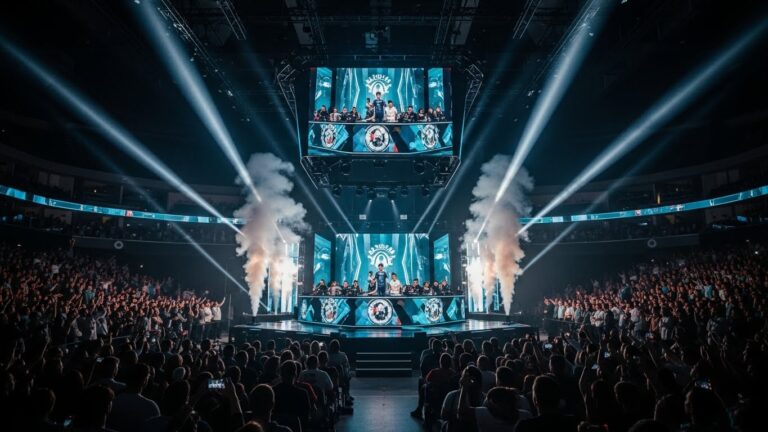
In the past few decades, the concept of competitive gaming has evolved from small gatherings of enthusiastic players in dimly lit rooms to grand global tournaments filling massive stadiums and watched by millions of fans worldwide. This transformation has given birth to what we now proudly call Esports, a cultural and economic phenomenon that has reshaped entertainment, technology, and sportsmanship in the digital era. The rise of Esports represents much more than people playing video games competitively; it is the fusion of innovation, strategy, global connectivity, and passion.
Esports has grown into a multibillion-dollar industry that rivals traditional sports in both scale and influence. From its humble beginnings in arcade halls to today’s high-stakes global championships, the journey of Esports reflects not only the evolution of gaming technology but also the changing interests of modern society. It has redefined what it means to be an athlete, what it means to compete, and what entertainment looks like in the 21st century.
The Early Days of Competitive Gaming
Before Esports became a global sensation, gaming competitions were simple and localized. The earliest known competitive gaming event dates back to 1972, when students at Stanford University competed in a game called “Spacewar.” The prize was a year’s subscription to a magazine, yet the significance of that event was monumental. It symbolized the birth of gaming as a competitive pursuit.
In the 1980s, with the rise of arcade games, competitions began to attract more attention. Games like Pac-Man, Donkey Kong, and Space Invaders became the foundation for early tournaments. Players competed for high scores, and leaderboards became the ultimate status symbol. These contests, though informal, began to plant the seeds of professional gaming.
The real transformation began in the 1990s with the advent of the internet and personal computers. Multiplayer games such as Doom and Quake allowed players to compete directly against each other from different locations. This ability to connect players from across the world fundamentally changed the way games were played and viewed. The era of online competition had begun, setting the stage for the Esports revolution.
The Rise of Esports in the 2000s
The early 2000s were pivotal for Esports. Improved internet speeds, the emergence of broadband connections, and the development of sophisticated multiplayer games allowed Esports to gain momentum. Titles like StarCraft, Counter-Strike, and Warcraft III became iconic in shaping the Esports landscape.
In countries like South Korea, Esports rapidly became a national obsession. Professional players gained celebrity status, and major television networks began broadcasting tournaments. South Korea’s investment in high-speed internet infrastructure and the popularity of PC bangs (gaming cafes) created an ideal environment for Esports to flourish. This success story inspired other countries to follow suit, and soon Esports began spreading across Asia, Europe, and North America.
The introduction of platforms such as Twitch and YouTube Gaming later in the decade further revolutionized Esports. These streaming platforms allowed fans to watch live matches from anywhere in the world. The barrier between players and audiences was removed, creating a dynamic, interactive community.
The Global Explosion of Esports
By the 2010s, Esports had become a global phenomenon. Major tournaments such as The International for Dota 2, the League of Legends World Championship, and CS:GO Majors began offering multimillion-dollar prize pools. These tournaments attracted teams and players from every corner of the world, representing a diverse and unified global gaming culture.
Esports was no longer a niche interest but a mainstream form of entertainment. Traditional media outlets began covering tournaments, major corporations became sponsors, and investors poured millions into team organizations and leagues. The involvement of big brands lent legitimacy to Esports and propelled it into the commercial spotlight.
Even universities began offering scholarships for Esports players, acknowledging gaming as a legitimate athletic pursuit. Colleges across the United States, China, and Europe established Esports programs, signaling a new era of institutional recognition.
The Culture of Esports
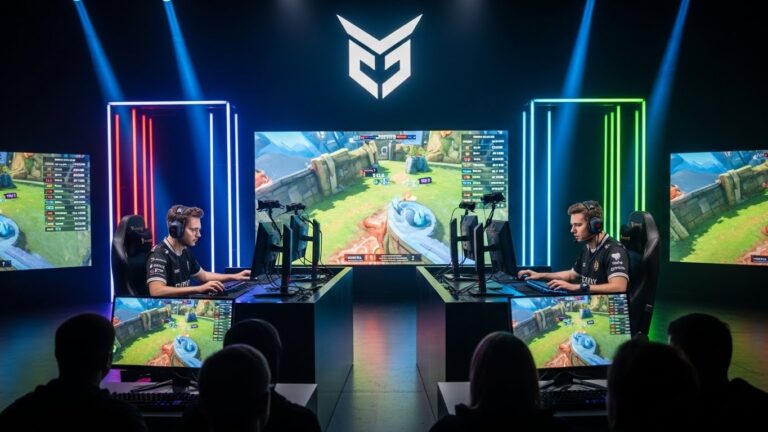
One of the most fascinating aspects of Esports is the unique culture that has developed around it. Unlike traditional sports, which often rely on physical prowess, Esports is a test of mental agility, strategic thinking, and reflexes. Players train for countless hours to perfect their techniques, understand game mechanics, and develop team coordination.
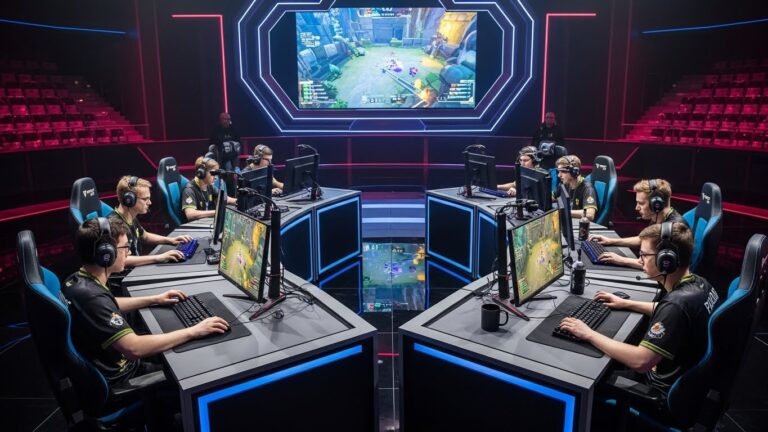
The dedication required to succeed in Esports rivals that of any professional athlete. Teams hire coaches, analysts, nutritionists, and psychologists to ensure that players perform at their peak. The environment is highly competitive, and the difference between victory and defeat can come down to a single decision made in a fraction of a second.
The fan culture of Esports is equally vibrant. Fans connect with their favorite teams and players through social media, streams, and live events. The sense of community is strong, and the passion displayed by fans mirrors that of traditional sports enthusiasts. From chanting in packed arenas to watching matches online with friends, Esports fans are an integral part of the experience.
Major Esports Titles and Their Impact
Several games have defined the Esports industry, each contributing uniquely to its growth and popularity.
League of Legends (LoL) is often credited with bringing Esports into the global mainstream. Developed by Riot Games, LoL boasts one of the largest player bases in the world and hosts annual world championships watched by tens of millions.
Dota 2, developed by Valve, revolutionized Esports economics with its massive community-funded prize pools. The International remains one of the most prestigious tournaments, with players competing for record-breaking rewards.
Counter-Strike: Global Offensive (CS:GO) has maintained its position as one of the most iconic first-person shooter Esports titles. Known for its tactical gameplay and teamwork, CS:GO continues to captivate both players and audiences worldwide.
Fortnite, though relatively newer, brought Esports into the mainstream for younger audiences. Its blend of creativity, competition, and entertainment, along with celebrity involvement, introduced gaming to an entirely new demographic.
Other games such as Overwatch, Valorant, and Rocket League have also contributed to the diversity and growth of the Esports scene, proving that competitive gaming is not limited to one genre or style.
Esports as a Career
For many, Esports has become more than just a hobby—it is a viable career path. Professional players can earn substantial income through tournament winnings, sponsorships, and streaming revenue. Top-tier players often achieve celebrity status, with fan followings that rival those of movie stars or musicians.
Beyond the players, the Esports ecosystem supports numerous other careers. Coaches, managers, broadcasters, content creators, analysts, and event organizers all play vital roles in sustaining the industry. Game developers and publishers also contribute by designing competitive-friendly games and maintaining fair play through constant updates and balancing.
The business of Esports is now comparable to that of major entertainment industries. Franchised leagues, team branding, merchandise sales, and media rights deals all contribute to the booming economy surrounding Esports.
The Role of Technology in Esports
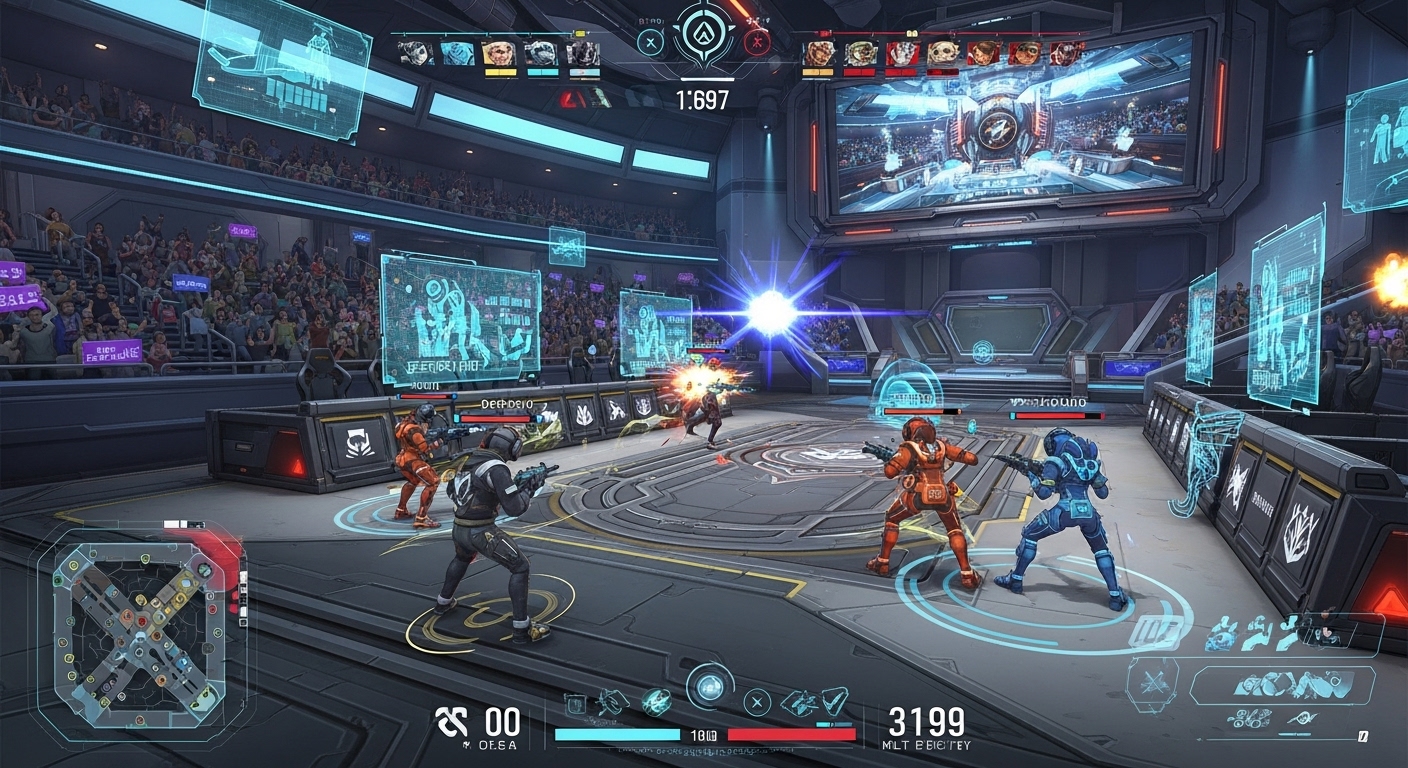
Technology has always been at the heart of Esports. Advances in hardware, internet infrastructure, and game development have continuously pushed the boundaries of what is possible. High-performance gaming PCs, powerful consoles, and virtual reality are constantly enhancing the player experience.
Streaming technology, in particular, has been a game-changer. It allows fans to watch their favorite teams live, interact through chat, and even support players directly through donations and subscriptions. This accessibility has democratized Esports, making it open to anyone with an internet connection.
Artificial intelligence and data analytics are now being integrated into Esports training. Teams use data to analyze opponents’ strategies, study player performance, and optimize gameplay. The integration of technology ensures that Esports remains innovative, adaptive, and ever-evolving.
Esports and the Education Sector
The influence of Esports has reached educational institutions around the world. Universities and schools have begun incorporating Esports into their programs, recognizing its potential to develop valuable skills such as teamwork, leadership, problem-solving, and communication.
Several universities offer Esports scholarships and even degree programs focused on game design, event management, and broadcasting. These initiatives highlight the legitimacy and potential of Esports as a professional and academic discipline.
For younger students, Esports clubs and school tournaments foster inclusivity and engagement. They provide opportunities for students who might not be drawn to traditional sports to find a sense of belonging and achievement through gaming.
The Economic Power of Esports
The Esports industry’s economic impact cannot be overstated. It has created thousands of jobs, generated billions in revenue, and inspired entire new sectors within entertainment and technology. Sponsorship deals, advertising, merchandise, and media rights form the financial backbone of Esports.
Companies from outside the gaming world, including those in automotive, apparel, and technology sectors, now sponsor teams and tournaments. This cross-industry collaboration demonstrates the growing recognition of Esports’ marketing potential.
Streaming platforms also benefit enormously, generating revenue through ads and subscriptions. Meanwhile, cities that host major tournaments experience tourism booms, much like those hosting traditional sporting events. The ripple effects of Esports extend far beyond gaming.
Challenges in the Esports Industry
Despite its success, Esports faces several challenges. Issues such as player burnout, lack of regulation, and the need for sustainable career paths remain ongoing concerns. Players often face intense pressure to perform, leading to mental and physical strain.
Additionally, maintaining fair play is a constant battle. Developers must continuously update games to prevent cheating and ensure balanced competition. Governance and standardization are still developing, with organizations working to create consistent rules and ethical frameworks.
Another challenge lies in diversity and inclusion. The Esports community, while global, still grapples with issues of gender representation and accessibility. However, many initiatives are now promoting inclusivity and creating opportunities for all players regardless of background or gender.
The Future of Esports
Looking ahead, the future of Esports appears brighter than ever. As technology advances, new platforms, games, and experiences will continue to emerge. Virtual reality and augmented reality may redefine how Esports are played and watched. The integration of artificial intelligence could make gameplay analysis more precise, and the expansion of 5G networks will enhance connectivity and accessibility worldwide.
Esports may also become an official part of global sporting events. The inclusion of Esports in events like the Asian Games has already set a precedent, and it is likely that future international competitions will follow suit.
The line between physical and digital sports continues to blur, and Esports stands at the forefront of this transformation. Its future lies not only in games but in how it shapes culture, technology, and society as a whole.
Conclusion
Esports has evolved from a pastime enjoyed by small groups of gamers into a massive global industry that defines modern entertainment. It has given rise to a new generation of athletes, entrepreneurs, and fans united by their passion for gaming. Through innovation, community, and competition, Esports continues to challenge old definitions of sport and success.
What began as friendly matches in computer labs and arcades has become a worldwide celebration of skill, strategy, and creativity. Esports is not just about playing games—it is about connecting people, pushing boundaries, and creating a shared future in the digital age.
The journey of Esports is far from over. It will continue to grow, adapt, and inspire, shaping the world of entertainment for decades to come.
About the Author