Esports, or competitive video gaming, has transformed from a niche hobby into a global phenomenon in just a few decades. What once began as informal competitions among friends has evolved into a professional industry with international tournaments, massive fan bases, and multimillion-dollar prize pools. Beyond the thrill of competition, esports is influencing culture, education, entertainment, and even professional careers. This blog explores the evolution of esports, its cultural significance, benefits, challenges, and what the future holds for this rapidly growing industry.
The Origins of Esports
The history of esports stretches back to the 1970s and 1980s, when early video game tournaments began to appear in arcades and universities. These early competitions were small and local, often focused on high scores rather than head-to-head matches. The concept of organized gaming began to take shape with the rise of multiplayer games and early networking technology.
The 1990s brought significant developments with competitive titles like StarCraft, Quake, and Counter-Strike, particularly in countries like South Korea, where esports became a professional career path. Internet connectivity allowed players to compete online, expanding the reach of tournaments and fostering communities that could connect across borders. By the early 2000s, esports was no longer just a hobby—it was becoming a serious competitive pursuit.
Understanding Esports Competitions
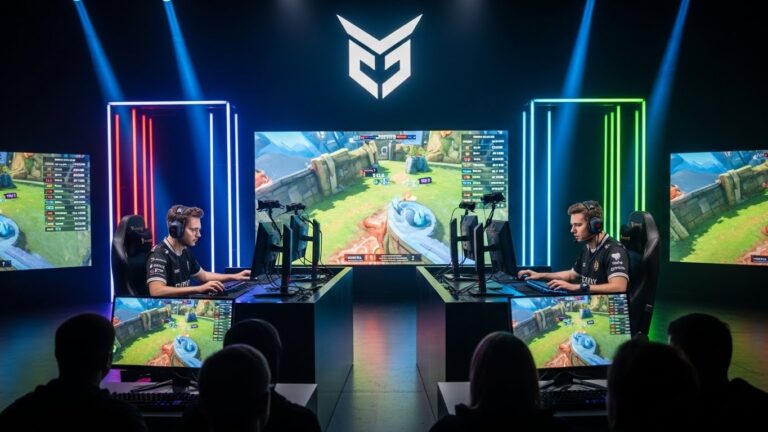
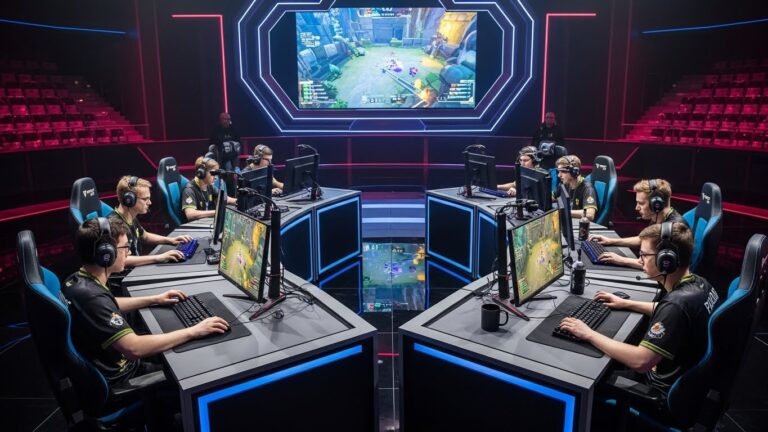
Esports competitions now cover a wide range of genres, including real-time strategy games, first-person shooters, sports simulations, fighting games, and battle royale formats. Professional esports operates much like traditional sports, with organized leagues, teams, coaches, analysts, and structured training programs.
Major tournaments, such as the League of Legends World Championship, Dota 2’s The International, and the Fortnite World Cup, attract millions of viewers globally. Players often dedicate hours to practice, focusing on reaction time, teamwork, strategy, and mental resilience. These competitions require discipline, precision, and dedication, proving that esports athletes are skilled professionals whose craft demands intense focus and commitment.
Cultural Significance of Esports
Esports has grown beyond a competitive activity to become a cultural phenomenon. Online gaming communities provide spaces for individuals to connect, share strategies, and form friendships across continents. These communities often create their own traditions, slang, and media, contributing to a unique cultural ecosystem.
Cosplay, fan art, streaming, and social media engagement are integral aspects of esports culture. Players and fans alike engage in content creation, amplifying the community-driven nature of competitive gaming. Esports events often become social gatherings, bringing together people from diverse backgrounds who share a common passion for gaming.
Educational and Cognitive Benefits
Esports is not only entertaining but also intellectually stimulating. Players develop critical thinking, strategic planning, multitasking, and problem-solving skills. Competitive games demand quick decision-making and adaptive thinking, which are valuable skills both in and out of gaming.
Educational institutions have recognized these benefits, offering esports programs and scholarships. Students can pursue careers in game design, event management, digital marketing, or team leadership through esports initiatives. By combining entertainment with education, esports provides a platform for skill development that extends beyond the screen.
Physical and Mental Health in Esports
Although esports is often perceived as sedentary, top-level players recognize the importance of physical fitness. Exercise routines improve reflexes, focus, and endurance, contributing to better performance during long gaming sessions. Stretching, proper ergonomics, and nutrition are also essential for maintaining health in a demanding competitive environment.
Mental health is equally important. Esports athletes face stress, burnout, and pressure to perform consistently. Mental coaching, stress management strategies, and supportive team environments are critical to sustaining both performance and well-being. Players who balance practice with mental and physical care are better positioned for long-term success in the esports arena.
Economic Impact of Esports
Esports has emerged as a major economic force, generating revenue through sponsorships, advertising, merchandising, ticket sales, and media rights. Major brands invest heavily in esports to engage younger, digitally native audiences. This investment has fueled the growth of professional leagues, tournaments, and content creation platforms.
The industry also provides employment opportunities beyond players. Coaches, analysts, broadcasters, event organizers, and marketing specialists are essential to the esports ecosystem. The professionalization of esports demonstrates that gaming is not just a pastime; it is a viable career path with diverse opportunities for growth.
Esports as a Global Spectacle
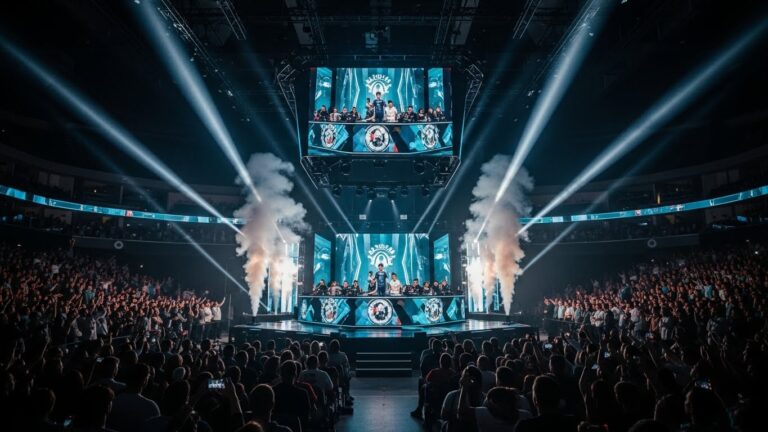
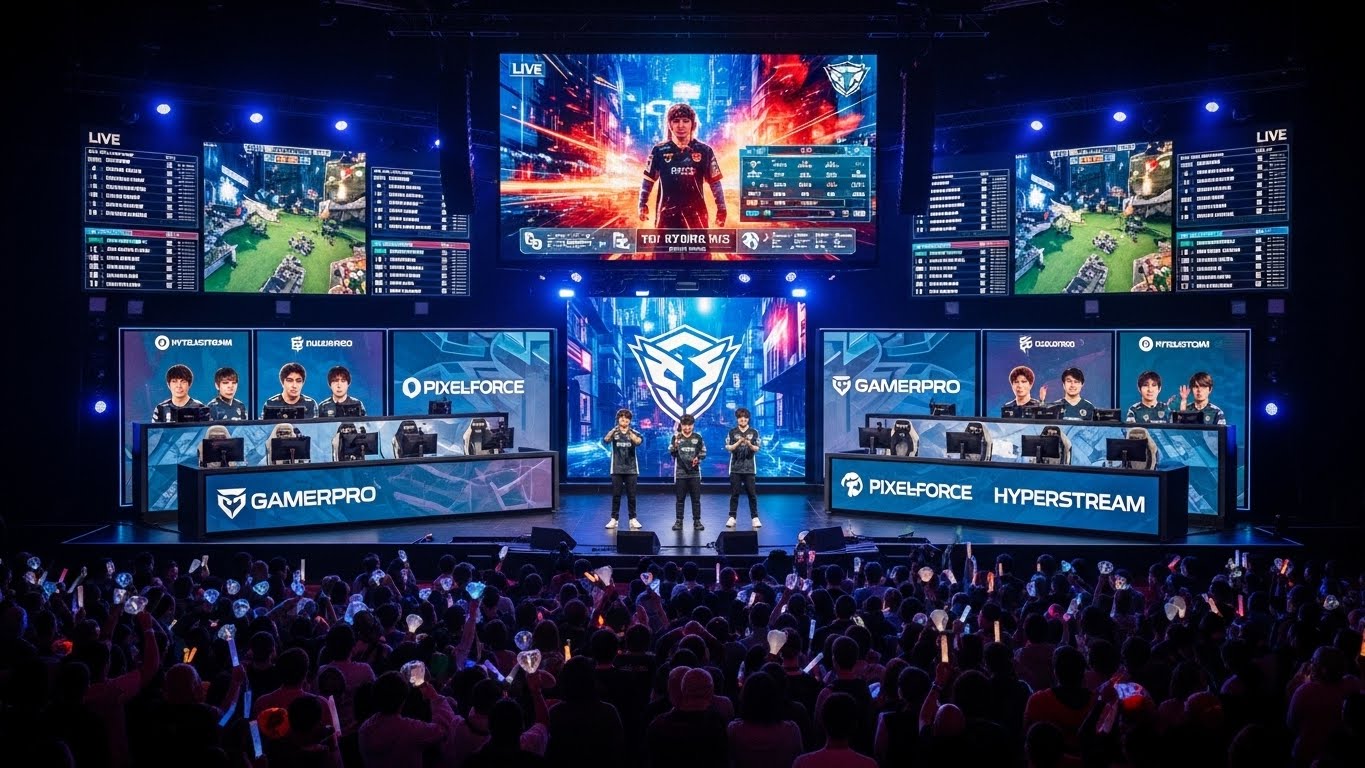
Esports events now rival traditional sports in scale and production value. Tournaments are hosted in arenas filled with cheering fans, and millions watch live streams online. Professional commentary, live statistics, and immersive visuals enhance the spectator experience, creating entertainment that is interactive and engaging.
Global tournaments foster international competition and camaraderie. Players from different countries face off, building mutual respect and cultural understanding. Esports has become a platform where nations compete not only for trophies but also for global recognition and pride.
Inclusivity and Diversity in Esports
Esports has proven to be more inclusive than many traditional sports. People of all genders, ages, and physical abilities can participate competitively. Female gamers, players with disabilities, and underrepresented groups are increasingly gaining recognition and opportunities.
Efforts to promote diversity and inclusivity continue to grow. Initiatives focus on providing equal opportunities, safe online environments, and professional pathways for everyone. This inclusivity is a significant factor in esports’ broad appeal and rapid expansion globally.
Challenges Facing Esports
Despite its growth, esports faces significant challenges. Player burnout, mental health issues, and cheating are ongoing concerns. The fast-paced evolution of games requires constant adaptation, and professional players face intense pressure to maintain peak performance.
Issues such as gender disparity, harassment, and unequal access to opportunities also pose challenges. Building fair, ethical, and supportive competitive environments is crucial to ensure the sustainable growth of esports. Regulation, mentorship programs, and community guidelines are essential components of addressing these challenges.
Technological Innovations in Esports
Technology is at the heart of esports’ growth. High-speed internet, streaming platforms, analytics software, and performance tracking tools have transformed how games are played, watched, and analyzed. Virtual reality, augmented reality, and artificial intelligence are poised to redefine the esports experience further, creating immersive and interactive competitions.
Technology has also expanded access to esports. Online platforms allow amateur players to compete, stream, and build audiences. Mobile esports is rapidly growing, making competitive gaming accessible to anyone with a smartphone. This technological evolution ensures esports will continue to innovate and expand in the coming years.
The Future of Esports
The future of esports is bright and full of potential. Competitive gaming is likely to become further integrated into mainstream media, education, and professional sports. Emerging technologies, expanded accessibility, and increasing societal acceptance will continue to drive growth.
Esports is redefining how we view competition, entertainment, and digital engagement. It is a medium where skill, strategy, and creativity intersect, offering new ways for individuals to connect, compete, and express themselves. The industry’s trajectory suggests that esports will remain a dominant cultural and professional force for decades to come.
Conclusion: Esports as a Cultural Revolution
Esports is more than just playing video games—it is a cultural, economic, and social revolution. From grassroots competitions to global tournaments, esports has transformed entertainment, education, and professional opportunities. It fosters communities, builds critical skills, and provides platforms for creativity and expression.
The rise of esports proves that competition, strategy, and teamwork are not confined to traditional sports fields. In the digital age, the arena exists wherever passion, skill, and innovation converge. Esports is a testament to how technology and human ingenuity can create a new frontier of connection, achievement, and cultural impact. As the industry continues to evolve, it will redefine the boundaries of competition, entertainment, and global culture, making esports an enduring force in the modern world.
About the Author