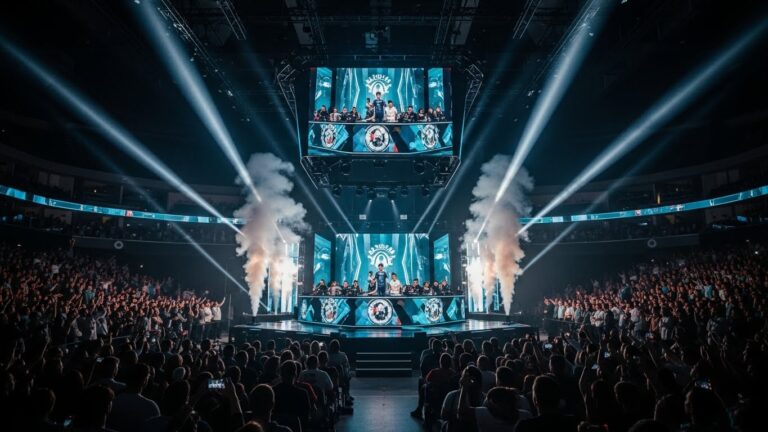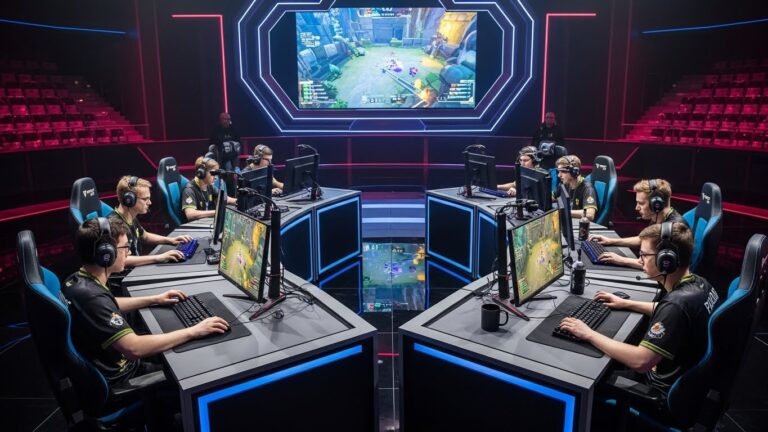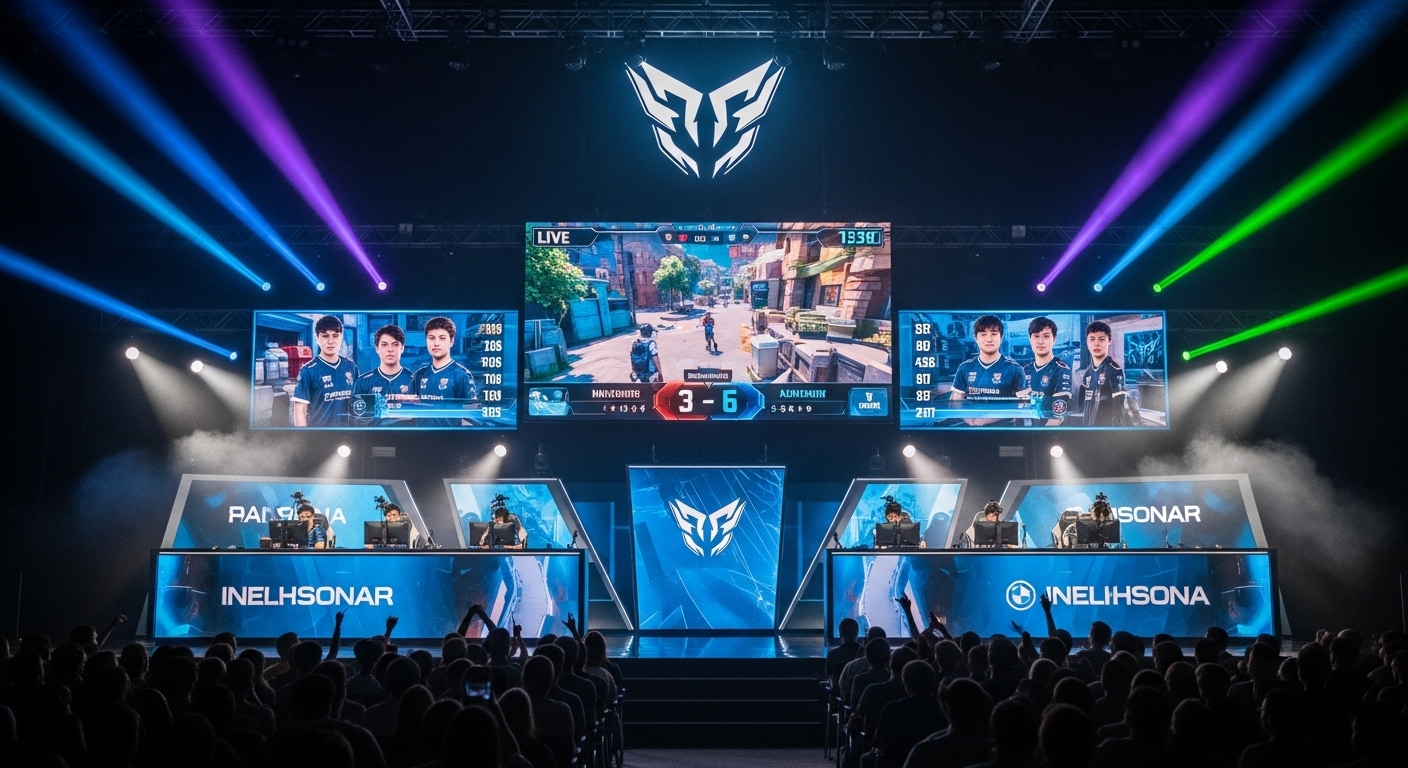
Esports has rapidly transformed from a niche pastime to a globally recognized and highly lucrative industry. What started as casual competitions among friends or small community tournaments has evolved into a multi-billion-dollar ecosystem, complete with professional players, massive prize pools, international leagues, and a dedicated fanbase. Today, esports is not only a form of entertainment but also a cultural movement that has disrupted the traditional sports landscape. As we enter the next decade of gaming, it’s clear that esports is more than just a passing trend—it’s here to stay.
This blog post explores the rise of esports, the factors contributing to its exponential growth, the structure of the esports ecosystem, and the future challenges and opportunities that lie ahead for this dynamic industry.
What Is Esports? A Brief Introduction
At its core, esports refers to organized, multiplayer video game competitions. These events can take various forms, from online tournaments to large-scale live events in arenas. Esports competitions span across different genres of video games, including real-time strategy games, first-person shooters, multiplayer online battle arenas (MOBAs), and battle royale games.
Titles such as “League of Legends,” “Dota 2,” “Fortnite,” and “Call of Duty” are some of the most popular esports games, with millions of players competing at various skill levels. The competitive aspect of esports is what sets it apart from regular gaming. Unlike casual play, esports requires players to exhibit high levels of skill, strategy, and teamwork. Professional gamers, often recruited by major esports organizations, participate in regional and international tournaments that attract millions of viewers and offer substantial cash prizes.
Esports has grown into a legitimate career path, with players earning salaries, sponsorships, and endorsements. The industry now also includes coaches, analysts, team managers, and other support staff who help ensure that players perform at their best.
The Growth of Esports: From Hobby to Industry Giant
Esports’ transformation from a hobby to a global industry has been nothing short of spectacular. In just a few short years, the gaming world has witnessed the rise of professional gaming leagues, sold-out arenas, and major media broadcasts of esports events. So, what contributed to this meteoric growth?
Technological Advancements and Connectivity
One of the most significant factors driving the rise of esports is the rapid advancement of technology. High-speed internet, more powerful gaming hardware, and improved graphics processing units (GPUs) have revolutionized how games are played and experienced. Fast and reliable internet connectivity enables players to compete against each other in real-time across the globe, regardless of geographical location.
Simultaneously, the development of streaming platforms like Twitch and YouTube Gaming has opened up new ways for fans to consume content. Live streaming allows players and teams to broadcast their gameplay to a global audience, creating an interactive experience that blurs the line between player and fan. Viewers can watch their favorite players and teams in action, engage in live chats, and even donate money to support their favorite streamers. This direct connection between players and fans has contributed to the community-driven nature of esports, further fueling its popularity.
Changing Perceptions of Gaming
For many years, gaming was seen as an isolated activity, often associated with negative stereotypes. However, as the quality of games improved and more people embraced gaming as a legitimate form of entertainment, those perceptions began to shift.
In particular, the mainstream acceptance of esports has been fueled by its recognition as a legitimate sport. Esports tournaments are often broadcast on traditional sports networks, and top-tier events are held in massive stadiums or arenas, similar to the high-energy spectacles of traditional sports like football, basketball, or soccer.
Additionally, the rise of celebrity gamers, influencers, and high-profile sponsorships has helped reshape how gaming is perceived. Esports has evolved into a form of entertainment that not only attracts gamers but also fans from a variety of backgrounds, including sports enthusiasts, tech aficionados, and even casual viewers looking for exciting competitions.
Massive Investments and Sponsorships
The influx of investment into esports has been another key factor in its rapid growth. From venture capital to corporate sponsorships, major investors have recognized the enormous potential of the esports industry. Brands across industries—technology, fashion, consumer goods, automotive, and more—are eager to reach the young, tech-savvy audience that esports attracts.
Sponsorship deals for esports teams, tournaments, and players have become common, with companies like Intel, Red Bull, Coca-Cola, and Nike investing heavily in the space. These sponsorships not only provide financial support for players and teams but also help legitimize esports as a competitive field deserving of attention and respect.
The size of the prize pools in major tournaments has also played a significant role in elevating esports. Events like The International (Dota 2) and the League of Legends World Championship feature prize pools worth tens of millions of dollars, attracting the best players and teams from around the world.
The Structure of Esports: Teams, Tournaments, and Fans
To understand the success of esports, it’s essential to examine the ecosystem that supports it. Like traditional sports, esports has its own organizational structure, including players, teams, tournaments, and, of course, fans.
Professional Players and Teams
Esports players are the athletes of the digital world. Much like traditional sports players, professional esports players are highly skilled and dedicated to their craft. Players often spend long hours training, practicing, and perfecting their gameplay, as the level of competition continues to increase.
Professional players are often part of esports teams, which are organized entities that recruit, manage, and represent players. These teams, such as Team Liquid, Cloud9, and Fnatic, operate much like traditional sports organizations, with team owners, coaches, analysts, and managers helping players improve their performance.
Many esports players become celebrities in their own right, with large social media followings and sponsorship deals that allow them to make a living from their gaming career. For some, being a professional gamer is a lifelong dream, and for others, it’s a chance to capitalize on their talent and build a personal brand.
Esports Tournaments and Leagues
Tournaments are the heart of competitive gaming. These events can range from small regional contests to massive international championships. The format of these tournaments varies depending on the game, but many feature a series of qualifiers that culminate in a live event, often in front of thousands of spectators.
In addition to individual tournaments, esports also includes organized leagues, similar to the structure of traditional sports leagues. These leagues—such as the Overwatch League, the League of Legends Championship Series (LCS), and the Call of Duty League—offer a more structured competitive environment, with regular seasons and playoffs leading to a final championship.
Esports tournaments and leagues provide a platform for players to showcase their skills, attract sponsorships, and grow their fanbase. They also offer significant cash prizes, making them highly competitive and drawing players from all over the world.
The Role of Fans
The success of esports cannot be overstated without acknowledging the importance of its fanbase. Fans are the lifeblood of esports, and their passion and dedication are what drive the industry forward. Esports fans are highly engaged, often following their favorite players, teams, and tournaments on social media, live streaming platforms, and through in-person events.
Fans are also incredibly loyal, with many attending live events, purchasing team merchandise, and participating in online discussions. The relationship between players and fans is often more personal than in traditional sports, with players engaging directly with their fans on platforms like Twitch, Discord, and Twitter.
This strong community aspect helps sustain the esports ecosystem and creates an environment where fans can not only enjoy the competition but also feel a sense of belonging and connection.
Challenges Facing Esports
While esports continues to thrive, it is not without its challenges. As the industry grows, it must navigate issues related to player welfare, sustainability, regulation, and diversity.
Player Welfare and Mental Health
One of the most pressing concerns in esports is the health and well-being of professional players. Esports requires intense focus, long hours, and the ability to perform under pressure, all of which can take a toll on players’ mental and physical health. Issues such as burnout, anxiety, and stress are common among professional gamers, and there is growing concern about the lack of resources and support available to help players manage these challenges.
As the industry matures, it will be crucial for esports organizations to invest in player welfare, providing mental health resources, career counseling, and opportunities for players to take breaks from the intense competition.
Regulation and Fair Play
Another challenge facing esports is the need for greater regulation to ensure fair play and prevent issues like cheating and match-fixing. As esports competitions become more lucrative, the temptation to cheat or manipulate results increases. Although esports has made strides in combating these problems, establishing universal rules and enforcement mechanisms will be essential for the long-term credibility and sustainability of the industry.
Diversity and Inclusion
Despite its global reach, esports still struggles with issues of diversity and inclusion. The industry has been criticized for its lack of representation of women and minorities, both in the player pool and in leadership roles. As the esports community continues to grow, it is vital to create an environment that is welcoming to all individuals, regardless of gender, race, or background.
The Future of Esports
Looking ahead, the future of esports is bright. With the continued advancement of technology, the integration of virtual and augmented reality, and the growth of esports infrastructure, the potential for further innovation is immense. Esports will likely continue to gain mainstream recognition, with more traditional sports organizations investing in gaming and more cross-industry collaborations emerging.
About the Author