Esports has transitioned from a niche pastime to a global entertainment juggernaut, captivating millions of fans worldwide. What once began as small-scale tournaments in local arcades has now evolved into a billion-dollar industry, complete with professional leagues, massive sponsorships, and a fanbase that rivals traditional sports. In this blog post, we’ll take a closer look at the rise of esports, how it has reshaped the entertainment landscape, and what makes it so compelling to both players and spectators alike.
The Humble Beginnings: How Esports Evolved
The origins of esports date back to the 1970s and 1980s when arcade games like Pong and Space Invaders introduced the idea of competition within gaming. Players would challenge each other for high scores, and while these early competitions were informal, they sparked the idea of competitive play. As gaming technology advanced, multiplayer experiences such as Doom and Quake began allowing players to compete against one another over local networks, known as LAN parties.
The first true esports tournaments began to take shape in the late 1990s. Games like StarCraft and Warcraft III featured organized competitions, with players facing off for cash prizes and recognition. These early tournaments were small but important, drawing in a dedicated community of gamers. It wasn’t until the early 2000s that esports began to break into the mainstream, thanks to the advent of high-speed internet and better access to online play.
The Digital Revolution: Streaming and Global Connectivity
The real game-changer for esports was the rise of online streaming platforms. Twitch, which launched in 2011, became the primary hub for competitive gamers to broadcast their skills to a global audience. This allowed fans to watch their favorite players and teams in real time, creating a level of interaction that traditional sports couldn’t match. Viewers could engage with players through live chat, ask questions, and even influence outcomes in certain cases, such as through live voting during special events.
As esports tournaments moved online, their global reach grew exponentially. What started as localized LAN tournaments in small arenas quickly expanded into massive international events. Major games like League of Legends, Dota 2, and Counter-Strike: Global Offensive began to dominate the competitive scene, and tournaments such as The International and the League of Legends World Championship attracted millions of viewers from around the world.
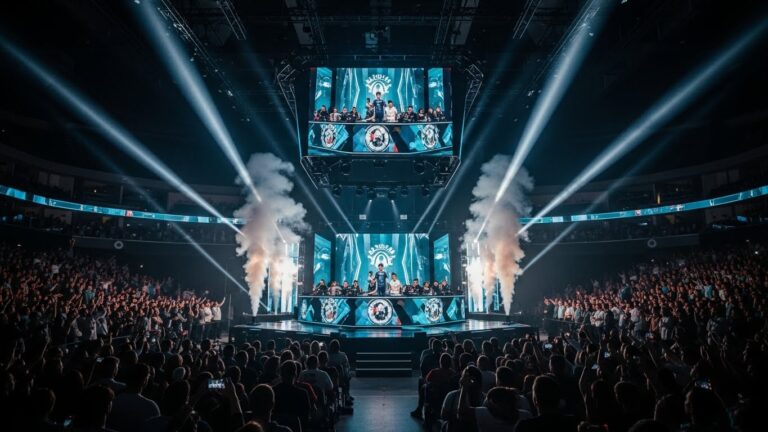
In addition to streaming, the global access to online play meant that players could compete without being restricted by geographic boundaries. International teams and players emerged, allowing regions like North America, Europe, and South Korea to develop strong esports cultures. Esports tournaments soon became spectacles, filling arenas and offering multimillion-dollar prize pools, further cementing the industry’s importance.
The Professionalization of Esports: Teams, Sponsors, and the Business of Gaming
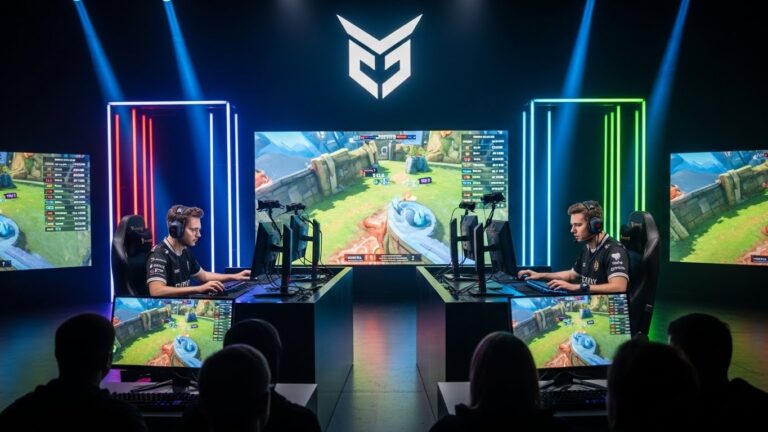
Esports is now a multi-billion-dollar industry, and much of its success can be attributed to its increasing professionalization. What was once a hobby for passionate gamers has turned into a career path for many. Professional esports teams, much like traditional sports teams, are now structured and operate with a high level of organization. Teams are supported by coaches, analysts, managers, and even psychologists, who help players perform at their best.
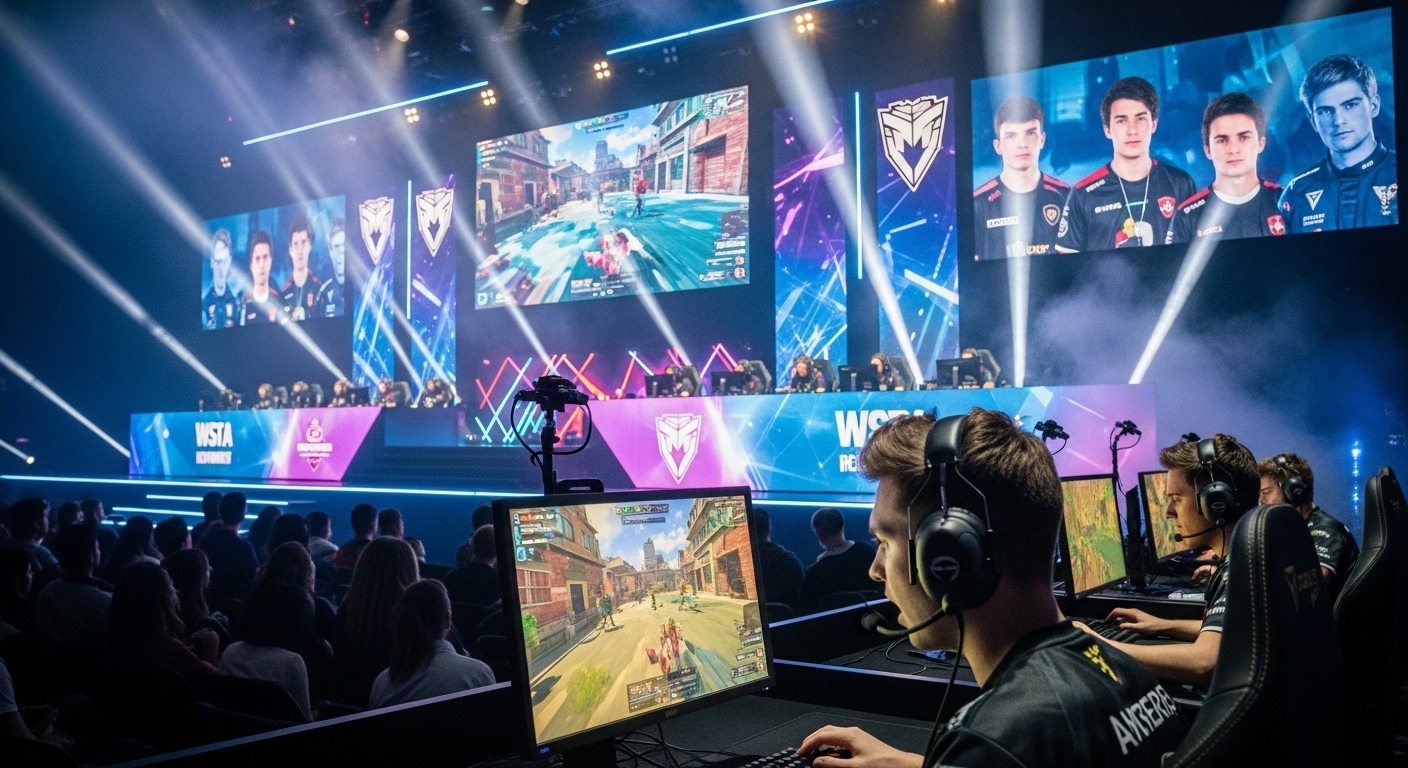
The growth of esports leagues has also contributed to its professionalism. Games like Overwatch, Valorant, and Call of Duty have introduced regular season competitions and international tournaments, creating more opportunities for players and organizations to thrive. These leagues not only offer significant prize pools but also provide salaries for players, adding to the industry’s legitimacy as a career option.
Sponsorships have become a major source of revenue for esports teams and events. Major brands, ranging from tech companies like Intel and Nvidia to lifestyle and beverage brands like Red Bull, have realized the immense value of tapping into the esports market. These sponsorships fund tournaments, support players, and help organizations expand their global reach. The influx of money has helped create an ecosystem where players, teams, and event organizers can earn a living while simultaneously promoting their brands to a global audience.
The Appeal of Esports: Why It Resonates with Audiences
What makes esports so captivating to both players and viewers? One of the main reasons is its accessibility. While traditional sports often require significant physical training and skill, esports relies on mental acuity, reflexes, and strategic thinking. This makes it appealing to a wider demographic, as virtually anyone with a computer or gaming console can participate in competitive gaming.
The competitive nature of esports also keeps fans engaged. Just like traditional sports, esports features intense rivalries between players and teams, with thrilling matchups and dramatic victories that keep viewers on the edge of their seats. Unlike traditional sports, however, esports tournaments can happen year-round, ensuring that fans have access to fresh content almost continuously.
Another significant factor is the sense of community that esports fosters. Fans aren’t just passive viewers—they engage with players and other fans on social media, Twitch streams, and forums. This interactivity creates a deeper connection between players and their audiences, making them feel like they are part of the experience. Esports tournaments, particularly those with large prize pools and high stakes, often create a sense of camaraderie and excitement that is unique to the gaming world.
Esports Careers: Beyond the Players
Esports has expanded far beyond just the players themselves. With the growth of the industry, a variety of new career opportunities have arisen, from game developers to event organizers, analysts, content creators, and even referees. As esports continues to grow, the demand for professionals in every aspect of the industry is expected to increase.
For example, many gamers have turned their passion into a career by becoming content creators. Platforms like Twitch and YouTube offer a chance for gamers to broadcast their gameplay, build fanbases, and secure sponsorships. These content creators earn money not only through streaming but also through ads, fan donations, and affiliate marketing, creating a sustainable career path within the esports industry.
Similarly, esports broadcasting has become a growing field. Analysts and commentators who provide live commentary during tournaments are in high demand. Their ability to break down complex strategies and create exciting narratives around gameplay is crucial for engaging audiences. Behind the scenes, event organizers, marketers, and team managers ensure that tournaments run smoothly and that players are supported throughout their careers.
The Future of Esports: Challenges and Opportunities
As esports continues to grow, several challenges remain. One of the most significant is the issue of player health and burnout. The intense practice schedules, long hours of competition, and mental strain can take a toll on professional players. In response, the industry has begun to address these concerns with better support systems, including mental health resources, more balanced schedules, and physical training regimens to ensure that players stay healthy.
Additionally, the question of inclusivity is becoming more important. While esports has largely been seen as a male-dominated space, efforts are underway to encourage greater participation from women and other underrepresented groups. Organizations and tournaments are striving to create a more welcoming environment for all players, and initiatives such as women-only tournaments are helping to break down barriers.
Looking ahead, the integration of new technologies like virtual reality (VR) and augmented reality (AR) could revolutionize how we experience esports. These technologies have the potential to provide a more immersive viewing experience, where fans can feel as though they are part of the action, watching games from new perspectives.
Furthermore, the rise of mobile gaming is likely to continue impacting esports. Games like PUBG Mobile and Clash Royale have attracted massive audiences and created esports ecosystems around mobile platforms. As smartphones become more powerful, the potential for mobile esports will expand, especially in emerging markets where access to high-end gaming PCs or consoles might be limited.
Conclusion: The Unstoppable Growth of Esports
Esports has rapidly evolved from a niche hobby into a global powerhouse, with millions of fans, players, and professionals involved in its ecosystem. It has changed how we think about gaming, entertainment, and competition. As the industry continues to expand, it promises even more opportunities for players, content creators, and fans alike. The future of esports looks bright, with new technologies, formats, and audiences continuing to shape this exciting new frontier in entertainment.
For those looking to enter the world of esports, now is the perfect time. Whether you’re a player, a fan, or someone hoping to build a career in the industry, the esports revolution is only just beginning. The next chapter of competitive gaming is waiting to be written.
About the Author