Introduction: The Rise of a Digital Arena
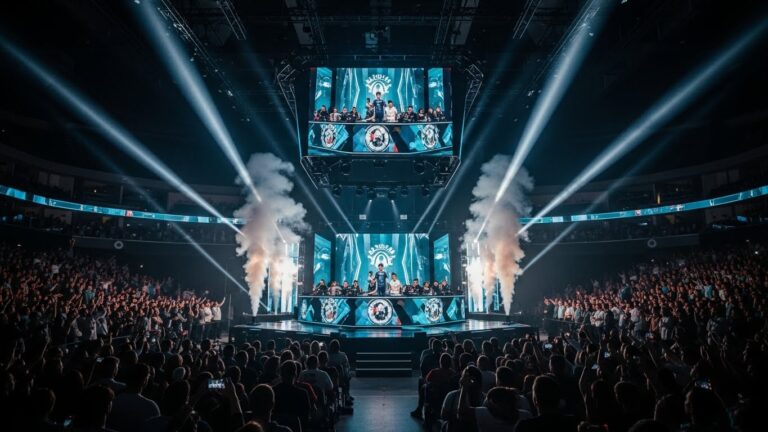
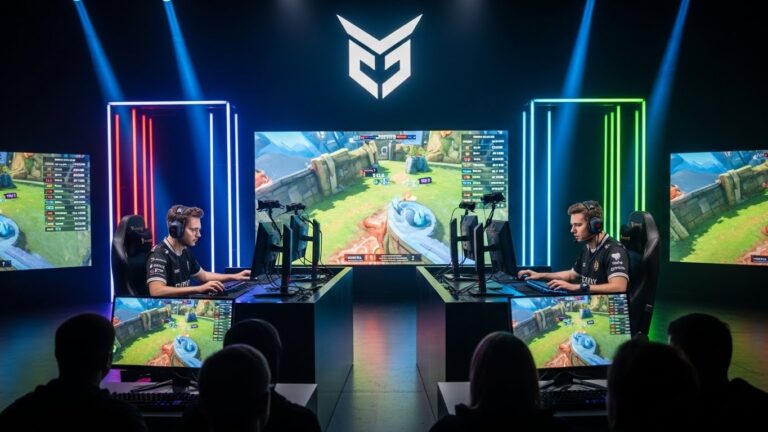
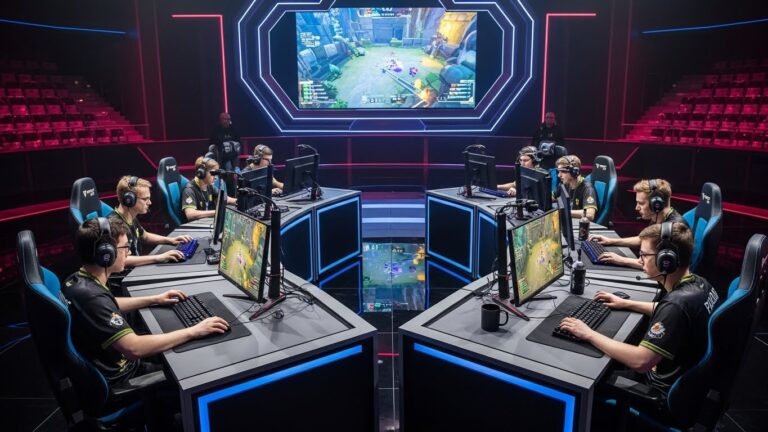
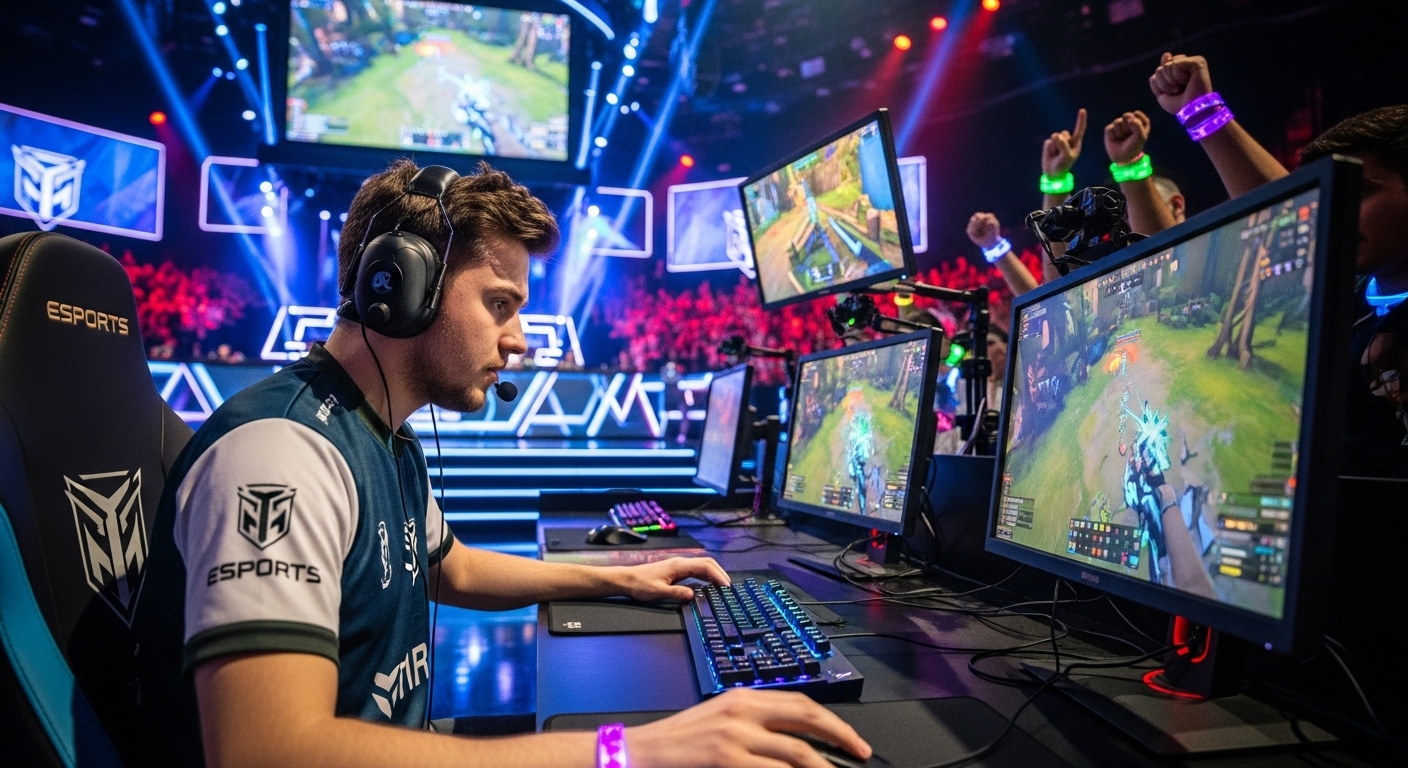
In the modern digital age, the world of entertainment has undergone a massive transformation. Among the most striking developments in the past two decades is the explosive growth of Esports, or electronic sports. Once viewed as a small corner of internet gaming culture, Esports has emerged as a legitimate industry, complete with professional athletes, multimillion-dollar tournaments, and a global audience rivaling that of traditional sports.
Esports represents more than just competitive gaming—it is a cultural movement that bridges technology, entertainment, and community. From the earliest LAN parties in basements to sold-out arenas hosting global championships, Esports has evolved into one of the most dynamic industries of the 21st century.
This blog delves into the history, development, culture, economy, and future of Esports—exploring how it became the phenomenon it is today.
The Origins of Esports: From Arcades to the Internet
The roots of Esports can be traced back to the early days of video gaming in the late 1970s and 1980s. When arcade machines like Space Invaders and Pac-Man captured the imagination of millions, competition was already in the air. High score lists displayed on machines were early forms of rivalry, motivating players to outperform each other and etch their names into gaming history.
The first recognized competitive gaming event took place in 1972 at Stanford University, where students competed in the game Spacewar!. The prize? A year’s subscription to Rolling Stone magazine. Though modest, this event marked the beginning of organized video game competition.
As gaming technology advanced, so did the scope of competition. By the 1990s, games like Street Fighter II and Doom fostered local and online multiplayer tournaments. The launch of the internet and local area networks (LAN) made it easier for players to compete from different locations, paving the way for Esports as we know it.
The 2000s: The Birth of Modern Esports
The 2000s were a turning point for Esports. High-speed internet, online gaming platforms, and the rise of dedicated Esports organizations revolutionized how players interacted and competed.
Games like Counter-Strike, Warcraft III, and StarCraft dominated the early Esports scene. South Korea, in particular, became the global epicenter of professional gaming. The country’s investment in broadband infrastructure and the popularity of StarCraft led to televised tournaments, professional teams, and a passionate fanbase. Players like Lim “BoxeR” Yo-hwan became national celebrities, inspiring a generation of competitive gamers.
Meanwhile, Western countries began to catch up. Competitive leagues like the Cyberathlete Professional League (CPL) and Major League Gaming (MLG) gave structure to Esports, offering cash prizes and sponsorships. The competitive gaming scene began to transition from hobbyist gatherings to organized professional competitions.
The Explosion of the 2010s: Global Recognition
The 2010s saw Esports explode into mainstream consciousness. Several key factors contributed to this rapid rise:
1. The Rise of Streaming Platforms
Platforms like Twitch and YouTube Gaming transformed how audiences consumed gaming content. Fans could now watch live tournaments, follow their favorite players, and engage directly through chat. Streaming made Esports accessible to millions, breaking down geographic and cultural barriers.
2. Massive Game Franchises
Games like League of Legends, Dota 2, Overwatch, and Call of Duty brought competitive gaming to new heights. Their developers actively supported Esports ecosystems by hosting official tournaments, maintaining balanced gameplay, and nurturing fan communities.
For example, Dota 2’s The International became famous for its record-breaking prize pools, funded by player contributions through in-game purchases. Similarly, League of Legends’ annual World Championship filled stadiums and attracted tens of millions of viewers online.
3. Corporate Investment and Sponsorships
As audiences grew, corporations took notice. Brands ranging from tech giants to luxury car manufacturers began investing in Esports teams and tournaments. Sponsorships, merchandise, and media rights deals fueled rapid financial growth, transforming Esports into a billion-dollar industry.
The Culture of Esports: More Than Just Gaming
Esports is not just about competition—it is about community, identity, and culture. For many fans, Esports represents belonging to a global tribe united by passion for the game.
1. The Fan Experience
Unlike traditional sports, Esports fans can directly interact with their favorite players through social media, streams, and live chats. This creates a more intimate and connected fan experience. Viewers don’t just watch—they participate.
2. Team Identities and Rivalries
Esports teams like Fnatic, Team Liquid, Cloud9, and T1 have built massive followings. Rivalries between these teams—often spanning continents—have created narratives that captivate millions of viewers. These rivalries mirror traditional sports dynamics, complete with regional pride, underdog stories, and legendary upsets.
3. Esports as a Lifestyle
For younger generations, Esports is more than entertainment—it’s part of their lifestyle. From gaming fashion and streaming culture to memes and digital communities, Esports influences everything from music to marketing. It’s a new frontier of youth culture, where online presence and performance merge into identity.
The Economics of Esports: A Billion-Dollar Industry
Esports’ financial ecosystem is complex and rapidly expanding. Revenue streams come from sponsorships, advertising, media rights, merchandise, ticket sales, and digital purchases.
1. Prize Pools and Player Earnings
Top tournaments boast enormous prize pools. The International 2021 for Dota 2, for example, had a prize pool exceeding $40 million. Professional players can earn not only from winnings but also from streaming revenue, sponsorships, and brand deals.
2. Sponsorships and Brand Partnerships
Corporate investment remains the lifeblood of Esports. Major brands like Coca-Cola, Intel, and Red Bull have sponsored events and teams, recognizing Esports as a prime avenue for reaching the digitally native generation.
3. Franchising and Esports Leagues
Just like the NFL or NBA, several Esports titles have adopted franchised league systems. The Overwatch League and Call of Duty League introduced city-based teams, giving fans local affiliations and teams more financial stability. This move legitimized Esports as a sustainable business model rather than a passing trend.
The Role of Technology in Esports Growth
Without cutting-edge technology, Esports would not exist. Advances in internet infrastructure, streaming technology, and gaming hardware have made competitive gaming both accessible and enjoyable for a global audience.
1. The Power of Streaming
Real-time streaming allows fans to engage instantly with tournaments, players, and communities. Low-latency streaming and chat integration have turned Esports viewing into a social experience.
2. The Role of AI and Analytics
AI-driven analytics now play a significant role in Esports training and broadcasting. Teams use data analysis to study opponents’ playstyles, while broadcasters use AI-generated stats to enrich viewer understanding.
3. Virtual Reality and Future Innovations
As virtual reality (VR) and augmented reality (AR) advance, they may reshape how fans experience Esports. Immersive environments could allow fans to “step into” tournaments, interact with players in virtual spaces, and experience the thrill of competition in entirely new ways.
The Global Esports Community
Esports transcends borders, languages, and cultures. It’s one of the few global industries where a player from Brazil can compete against an opponent from South Korea, watched by fans from every continent.
1. Regional Powerhouses
Different regions have become known for dominance in specific games. South Korea excels in StarCraft and League of Legends, China dominates Dota 2, Europe is strong in tactical shooters, and North America leads in FPS titles like Valorant and Call of Duty.
2. The Importance of International Tournaments
Events like the League of Legends World Championship and The International unite fans across the globe. These events highlight the spirit of global competition and showcase how gaming can bridge cultural divides.
3. Inclusivity and Diversity
Esports is gradually becoming more inclusive, with increasing representation of women and minority groups. Organizations and initiatives worldwide are working to ensure that everyone has a place in competitive gaming, regardless of background or identity.
Challenges Facing the Esports Industry
Despite its successes, Esports faces several challenges that must be addressed for sustainable growth.
1. Player Health and Burnout
Professional Esports players often train for up to 12 hours a day. The mental and physical toll of such intense practice can lead to burnout, repetitive strain injuries, and stress. Teams are beginning to employ psychologists and physical trainers to promote well-being, but this remains a pressing issue.
2. Fair Play and Cheating
As with any competitive field, Esports faces issues of cheating and match-fixing. Developers and organizers are investing in anti-cheat technologies and integrity systems to maintain fairness and credibility.
3. Stability and Job Security
Unlike traditional sports, Esports careers can be short-lived. Rapid game updates, shifting metas, and the release of new titles can make a player’s skills obsolete within years. Creating more stable career paths for players, coaches, and analysts is essential for the industry’s maturity.
Education and Career Opportunities in Esports
Esports is not just about playing games—it has become a legitimate career path across numerous disciplines.
1. Professional Gaming
At the top level, players compete professionally, often signing contracts with teams and earning salaries. However, competition is fierce, and only a small percentage reach this elite level.
2. Supporting Roles
Beyond players, Esports employs thousands in production, event management, broadcasting, journalism, marketing, coaching, and more. The industry mirrors traditional sports in its need for a vast ecosystem of professionals behind the scenes.
3. Esports in Education
Universities around the world now offer Esports scholarships and degree programs. Students can study game design, Esports management, broadcasting, and digital marketing, preparing for careers in the growing industry.
The Impact of Esports on Traditional Sports
The relationship between Esports and traditional sports has evolved from skepticism to collaboration. Initially dismissed as “not real sports,” Esports has earned recognition for its competitive depth, teamwork, and audience engagement.
Today, major sports organizations have invested heavily in Esports. Football clubs like Manchester City and Paris Saint-Germain own Esports teams, while the NBA and Formula 1 host their own digital leagues. These partnerships demonstrate the merging of physical and digital sports worlds.
Esports During the Pandemic: A Digital Lifeline
When the COVID-19 pandemic halted traditional sports, Esports continued to thrive. Online tournaments replaced live events, keeping millions entertained during global lockdowns. Even traditional sports networks began broadcasting Esports competitions to fill the void.
This period highlighted Esports’ resilience and adaptability. It proved that competitive gaming could continue regardless of physical limitations, further solidifying its place in global entertainment.
The Future of Esports: What Lies Ahead
The future of Esports is bright, dynamic, and full of possibilities.
1. Mainstream Integration
As Esports continues to grow, it is likely to become as mainstream as football or basketball. With television networks, streaming platforms, and schools embracing competitive gaming, Esports may soon be an everyday part of global culture.
2. Expansion into New Genres
While current Esports are dominated by MOBAs, shooters, and sports simulators, emerging genres like battle royales, strategy hybrids, and even rhythm games are expanding the landscape.
3. Technological Evolution
Advancements in VR, AR, 5G, and AI will continue to reshape how Esports is played and consumed. Enhanced spectator experiences, real-time analytics, and virtual arenas will blur the line between reality and simulation.
Conclusion: The Legacy of Esports
From humble beginnings in college labs and dimly lit arcades, Esports has grown into a powerful global industry. It combines skill, strategy, technology, and community in ways that redefine what it means to be an athlete in the digital age.
What started as simple competition among gamers has transformed into a cultural force influencing education, business, and entertainment worldwide. As the lines between the digital and physical worlds continue to blur, Esports stands as a testament to human creativity and connection in the 21st century.
The story of Esports is far from over—it’s only just beginning.
About the Author