Introduction: A New Era of Entertainment
Esports, short for electronic sports, has emerged as one of the most exciting and rapidly growing sectors of the entertainment industry. Over the past two decades, gaming has transformed from a solitary pastime to a massive global event with millions of players, viewers, and fans. Today, esports has evolved into a professional and competitive arena where athletes, broadcasters, and organizations engage in thrilling tournaments watched by millions worldwide. This blog will explore how esports has evolved, the factors driving its growth, and its future trajectory.
The Humble Beginnings of Esports
The concept of competitive gaming isn’t new. In fact, the earliest recorded video game competition dates back to the 1970s, with the first major tournament held in 1980 for Space Invaders. However, these early competitions were small, local events. Esports as we know it today, with large-scale tournaments and professional teams, started to take shape in the late 1990s and early 2000s.
The release of games like StarCraft and Quake played a crucial role in popularizing competitive gaming. These titles offered engaging multiplayer experiences that brought together communities of gamers eager to compete against one another. By the mid-2000s, events such as the World Cyber Games (WCG) and the Electronic Sports World Cup (ESWC) began to establish esports as a legitimate sport. However, it wasn’t until the introduction of games like League of Legends, Dota 2, and Counter-Strike that esports reached its current level of fame and global reach.
The Rise of Professionalism in Esports
Esports began to gain traction as a legitimate profession in the early 2010s. Professional gaming teams started to emerge, and sponsorship deals with major brands such as Coca-Cola, Intel, and Red Bull began to flood in. These sponsorships not only provided financial backing but also legitimized esports in the eyes of the public, showing that gaming was more than just a hobby – it was a business.
Tournaments became increasingly organized, with massive prize pools that attracted top-tier players from around the world. The League of Legends World Championship, for example, started with a modest $100,000 prize pool in 2011 but now features a prize pool exceeding $2 million. Likewise, The International, an annual Dota 2 tournament, has seen its prize pool grow into the tens of millions, with fans actively contributing through crowdfunding campaigns.
Professional players in esports now sign contracts with teams, have personal coaches, and participate in boot camps to improve their skills. Esports organizations like Team Liquid, Cloud9, and T1 have become household names, and players such as Faker, s1mple, and Ninja have achieved celebrity status.
Esports as a Global Industry
One of the primary drivers of esports’ meteoric rise is the globalization of gaming. Unlike traditional sports, which are often limited by geographic boundaries, esports can be played and watched anywhere in the world. With the rise of streaming platforms such as Twitch and YouTube Gaming, fans can easily access live events and streams of their favorite players and teams, creating an online community that transcends borders.
The global appeal of esports is also bolstered by the accessibility of the games themselves. Unlike many traditional sports that require significant physical infrastructure and investment, most esports titles are free-to-play or relatively inexpensive. Games such as League of Legends, Fortnite, and Valorant can be downloaded and played by anyone with a computer or console, allowing people from different socioeconomic backgrounds to participate.
Additionally, esports has become an integral part of digital culture. Many young people, particularly in Generation Z and Millennials, consume esports content as frequently as they do traditional sports. The competitive nature of gaming, combined with the entertainment factor, makes it an ideal medium for the digital age. Fans can watch their favorite players stream on Twitch, cheer for their team on social media, or engage with other fans on forums and Discord channels.
Esports as a Spectator Sport
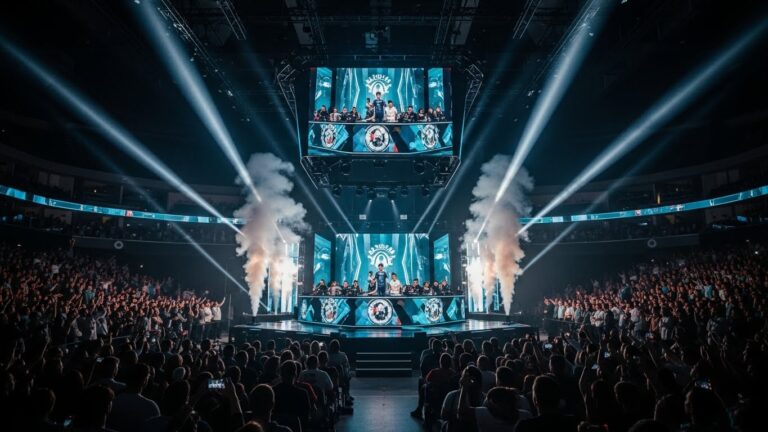
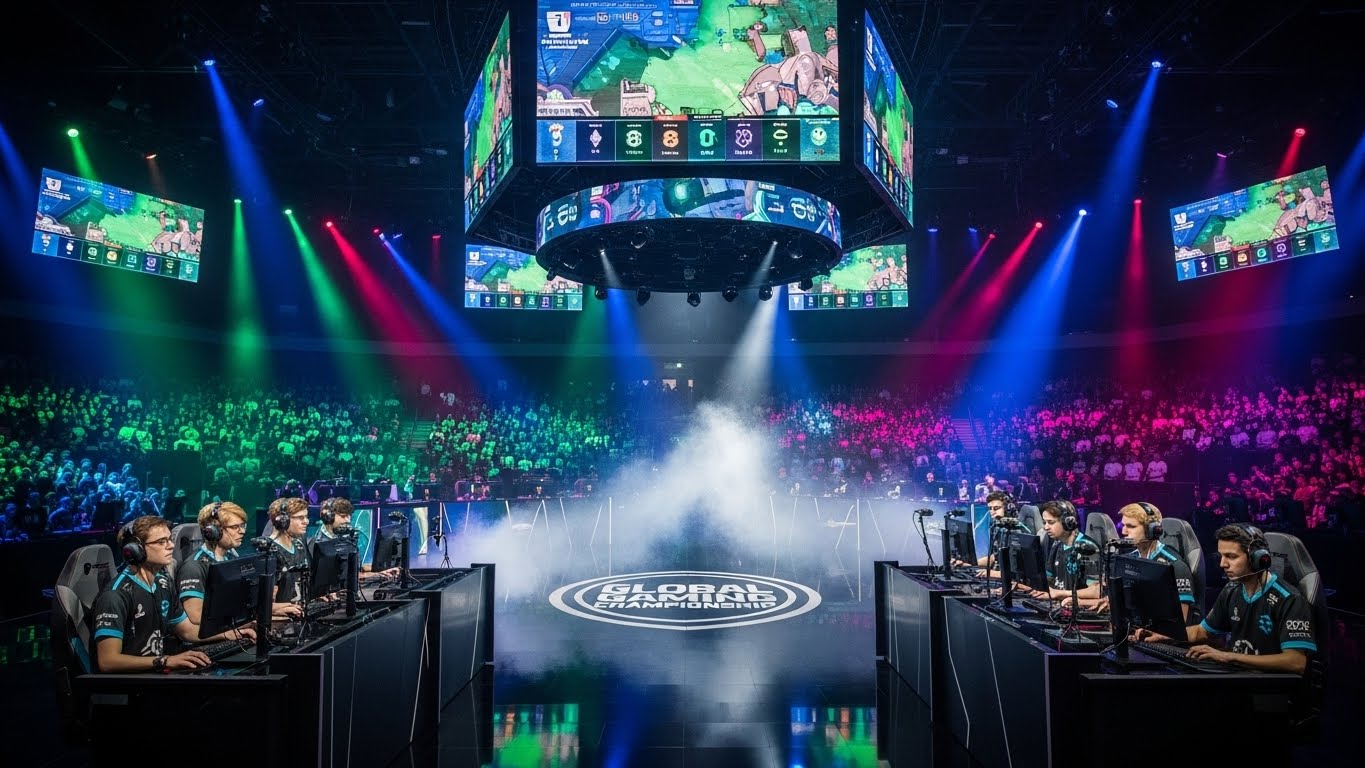
Esports has evolved into a full-fledged spectator sport, rivaling traditional sports in terms of audience size and engagement. Major tournaments are held in sold-out arenas, and online streams attract millions of viewers. The League of Legends World Championship consistently draws over 100 million viewers, surpassing the viewership of popular traditional sporting events like the NBA Finals and the Super Bowl.
The production value of these esports events is also on par with high-profile traditional sports broadcasts. They feature stunning visuals, commentary, and analysis that rival the level of sophistication seen in mainstream sports. The rise of esports broadcasters, such as ESL One, DreamHack, and The Overwatch League, has brought a level of professionalism to esports broadcasting that ensures fans are treated to an immersive and exciting experience.
In addition to traditional streaming platforms like Twitch, esports events are now broadcast on mainstream television channels. Networks such as ESPN, TBS, and even BBC have begun airing esports content, further solidifying its status as a mainstream form of entertainment.
The Role of Sponsorships and Partnerships in Esports
Sponsorships and partnerships have played a crucial role in the success of esports. Just as major brands sponsor traditional sports teams, they have also invested heavily in the esports industry. Companies like Intel, Coca-Cola, and Mastercard now sponsor major esports events, while hardware companies like Nvidia, ASUS, and Razer sponsor teams and individual players.
These sponsorships serve to provide teams and players with the resources needed to compete at the highest level. They also help to fund the large-scale tournaments that have become the hallmark of esports. In turn, these events offer sponsors a platform to reach a highly engaged and youthful audience. With the rise of esports, companies are now targeting the esports demographic as a key consumer group.
Moreover, game developers themselves have recognized the potential of esports and have begun organizing their own competitive events. Blizzard’s Overwatch League, Riot Games’ League of Legends competitions, and Valve’s Dota 2 International are examples of how developers have become major players in the esports ecosystem. These tournaments not only increase the visibility of the games themselves but also create a sustainable ecosystem for players, teams, and fans alike.
The Future of Esports: What’s Next?
Esports is still in its relative infancy compared to traditional sports, and its future is full of exciting possibilities. One major trend on the horizon is the continued integration of virtual and augmented reality (VR/AR) technologies. These technologies have the potential to revolutionize how esports are played and experienced. Imagine watching an esports event in full virtual reality, feeling as though you’re sitting in the front row of a packed arena, even though you’re in the comfort of your own home.
Additionally, the global expansion of esports is expected to continue. Esports leagues and tournaments are becoming increasingly popular in countries across Asia, Europe, and Latin America. As internet access improves and gaming culture spreads, esports will continue to gain followers in regions that were once considered niche markets.
Another exciting development is the potential inclusion of esports in the Olympics. Although the International Olympic Committee (IOC) has been hesitant to add esports to the Olympic program, the growing popularity and skill-based nature of competitive gaming may eventually lead to its inclusion. If this happens, esports could be recognized as an official sport, further legitimizing its place in the global entertainment landscape.
Conclusion: A Bright Future Ahead
Esports has come a long way since its early days in arcades and living rooms. From small tournaments to global competitions, esports has become a powerful force in the world of entertainment. With professional leagues, multi-million-dollar sponsorships, and a passionate global fan base, esports is poised to continue growing in the coming years.
The evolution of esports has not only reshaped the gaming industry but also altered the way we view sports and entertainment. The rise of esports has made it clear that competitive gaming is not a passing trend, but a thriving cultural movement that appeals to millions worldwide. As technology, infrastructure, and audience engagement continue to evolve, esports is set to become an even more prominent part of our digital lives, further cementing its place as a global phenomenon.
As we look to the future, one thing is certain: the world of esports is only getting started, and its impact on entertainment, culture, and society will only continue to grow.
About the Author