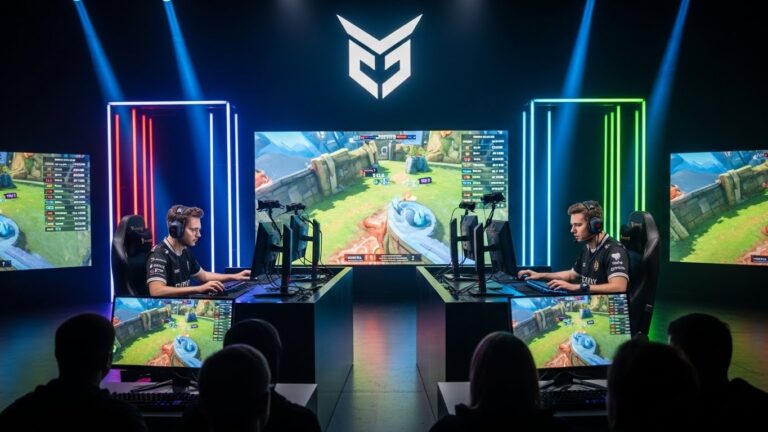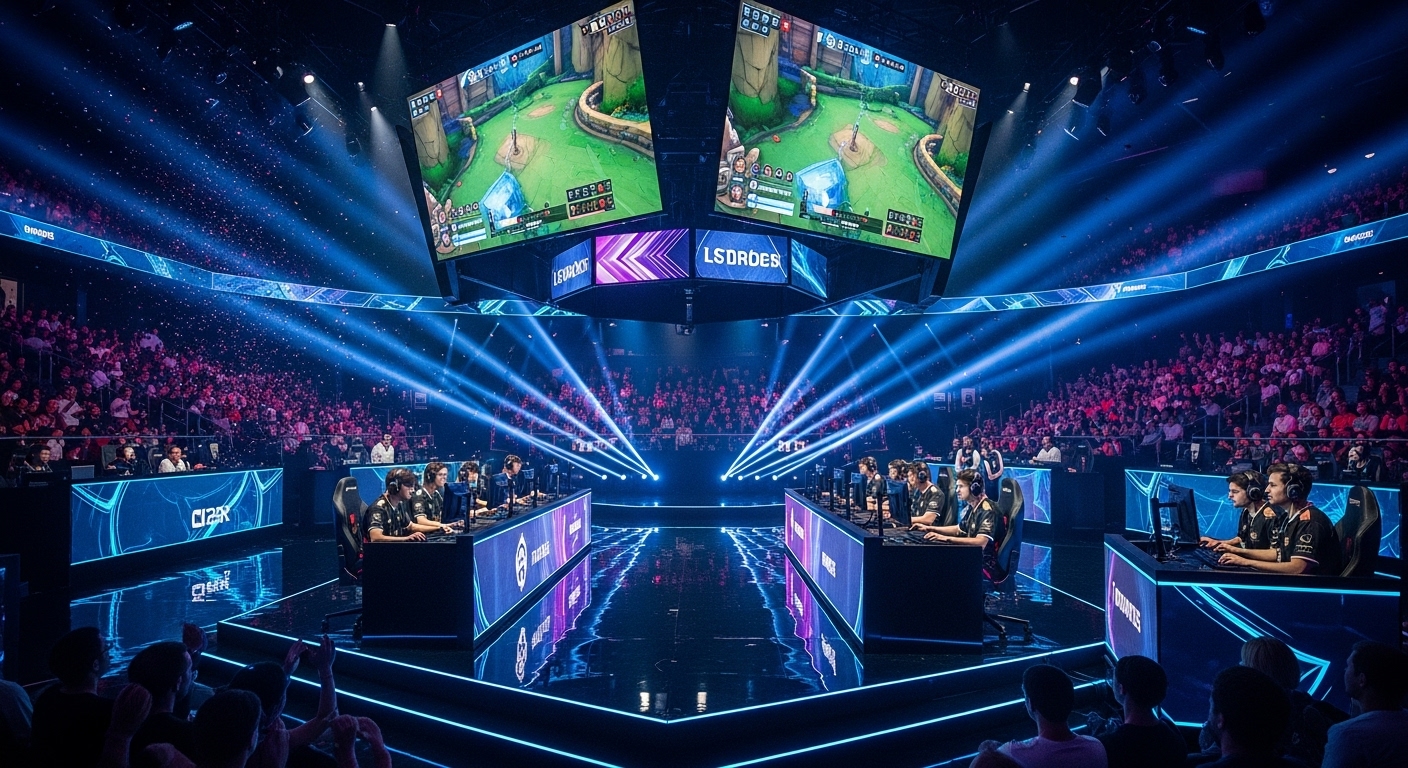
Esports, once a hobby reserved for the most dedicated gamers, has evolved into one of the most significant entertainment industries of the modern age. What started as casual tournaments in local gaming cafes has expanded into a global phenomenon, with millions of players, fans, and viewers worldwide. From the rise of online streaming to multimillion-dollar tournaments, esports is changing the way we look at competition, entertainment, and careers. This blog explores how esports has developed over time, what makes it so captivating, and what lies ahead for the industry.
The Beginnings of Esports: From Casual Gaming to Competitive Play
The roots of esports can be traced back to the early days of gaming. In the 1980s and 1990s, arcade machines and home consoles began offering multiplayer modes, which allowed players to compete against one another. However, it wasn’t until the rise of online multiplayer games that the concept of organized, competitive gaming began to take shape. Games like StarCraft and Quake were some of the first to establish a competitive community, with players forming clans and competing in tournaments, initially at the local level. These early events were small-scale, but they laid the foundation for what would eventually become a billion-dollar industry.
The Digital Transformation: Streaming and Global Reach
The explosion of esports can largely be attributed to the rise of streaming platforms like Twitch, YouTube, and Facebook Gaming. These platforms allowed gamers to not only play with others but also showcase their skills to a global audience. With the click of a button, fans from across the world could tune in to live broadcasts of professional tournaments, engage in real-time interactions with players, and become part of the growing esports community.
Streaming made esports more accessible than ever before. Players no longer needed to attend events in person to watch their favorite competitors; they could simply log on from the comfort of their homes. This accessibility helped the industry reach new audiences, particularly among younger demographics who were increasingly engaged with online platforms rather than traditional television.
The Rise of Professional Esports Leagues
As the audience for esports continued to grow, the need for more organized and professional competitions became evident. This led to the formation of several high-profile esports leagues and tournaments. Games like League of Legends, Dota 2, Overwatch, and Counter-Strike: Global Offensive saw the creation of official leagues that offered players the opportunity to compete for substantial prize money and long-term sponsorships. These tournaments, such as The International for Dota 2 and the League of Legends World Championship, became some of the largest annual events in esports, attracting millions of viewers worldwide.
The professionalism of these leagues, with their organized team rosters, coaching staff, analysts, and commentators, helped raise the credibility of esports as a legitimate sport. Major corporations began sponsoring teams, and even sports media outlets started covering esports events, further solidifying its place in the entertainment world.
The Economic Boom: Sponsorships, Merchandise, and Prize Pools
Esports has become a significant economic force, with revenues generated from a variety of streams including sponsorships, advertising, media rights, and merchandise. The rise of esports as a global spectator sport attracted corporate giants like Coca-Cola, Intel, Red Bull, and Mercedes-Benz, who now invest heavily in the scene. These sponsorships are crucial to the sustainability of professional teams and players, providing financial backing that allows them to focus on training and competing at the highest level.
Prize pools for major tournaments have also grown exponentially. For example, the prize pool for The International 2023 exceeded $40 million, with the winning team taking home a substantial portion of that sum. This financial incentive, combined with sponsorships, has made esports a viable career option for professional gamers, streamers, and even coaches, analysts, and broadcasters.
The Role of Technology in Shaping Esports
The rapid growth of esports has been heavily supported by advancements in technology. High-speed internet, improved gaming hardware, and more sophisticated streaming platforms have all played a role in the industry’s success. Better internet speeds ensure that players can compete in high-quality environments without lag, while advancements in graphics and hardware allow for more immersive gaming experiences.
The rise of virtual reality (VR) and augmented reality (AR) could also change the future of esports, providing new ways for players and fans to engage. Imagine competing in a Fortnite match not just on a screen, but within a fully immersive virtual world. This kind of innovation could revolutionize the industry once again, offering even more exciting possibilities for competitive gaming.
Esports as a Career Path
One of the most significant developments in esports is the recognition of professional gaming as a legitimate career. Players no longer need to dream of traditional sports or entertainment careers; they can build a name and make a living through esports. Top players can earn money through tournament prizes, sponsorship deals, streaming revenue, and brand endorsements.
In addition to professional players, the esports ecosystem has created a wide range of job opportunities. Team coaches, analysts, commentators, event organizers, and even content creators all play important roles in the esports industry. As a result, many young people are now considering esports as a career path, leading to the establishment of esports scholarships at colleges and universities around the world. These programs allow students to pursue higher education while training and competing in the esports world, further legitimizing esports as a mainstream career option.
Challenges and Future Prospects
Despite its rapid growth, esports faces several challenges. Player burnout is a serious issue, with many professional gamers experiencing physical and mental exhaustion due to long hours of practice and competition. Organizations are beginning to focus on player wellness, providing mental health resources and encouraging healthier lifestyles, but this remains an area that needs improvement.
Moreover, the lack of unified regulation and governance across different regions and games can create disparities in how players and teams are treated. As esports continues to expand, standardized rules and protections for players will be essential for maintaining fairness and transparency.
Looking ahead, the future of esports seems bright. With ongoing technological innovations, more global exposure, and continued investments, the esports industry is set to grow even further. As esports becomes more integrated into mainstream culture, we may even see its inclusion in major events like the Olympics.
Conclusion
Esports has come a long way from its early days as a hobby shared by a few enthusiasts. Today, it is a billion-dollar industry that captures the attention of millions of fans worldwide. The rise of streaming platforms, professional leagues, sponsorship deals, and technological advancements has fueled this growth, making esports one of the most exciting sectors in entertainment. With a promising future ahead, esports will likely continue to evolve, attracting new fans, players, and opportunities along the way. It’s clear that competitive gaming is not just a passing trend—it’s a key part of the digital entertainment landscape, here to stay for the long run.
About the Author