Introduction: The Era of Competitive Gaming
Esports, or competitive gaming, has transformed from a niche hobby into a billion-dollar global industry. Once relegated to basement tournaments and local arcades, esports now fills stadiums, commands millions of online viewers, and produces professional athletes whose fame rivals traditional sports stars. The growth of esports reflects the power of technology, the evolution of gaming culture, and the changing ways in which audiences consume entertainment.
This blog explores the journey of esports, its history, key games and tournaments, technological advancements, economic impact, cultural significance, and the future of competitive gaming. With proper headings for clarity, this post provides a comprehensive view of the esports ecosystem and its continuing global influence.
The Origins of Esports
The roots of esports can be traced back to the late 1970s and early 1980s when arcade games like “Space Invaders” and “Pac-Man” began attracting competitive players. The first organized video game competitions were small-scale events, often held in arcades or at university campuses.
One of the earliest known tournaments occurred in 1980 at Stanford University, where students competed in the game “Space Invaders” for a high score. While rudimentary compared to today’s standards, these early competitions demonstrated that gaming could be more than casual entertainment—it could be competitive, social, and rewarding.
The rise of personal computers and consoles in the 1980s and 1990s expanded the potential for competitive gaming. Titles like “Doom” and “Quake” introduced networked multiplayer modes, allowing players to compete over local area networks. These games laid the foundation for online competitive play and established communities of dedicated gamers.
The Evolution of Esports Titles
The growth of esports is closely tied to the games themselves. Certain titles have shaped the competitive gaming landscape and created global followings.
1. Real-Time Strategy Games:
Games like “StarCraft” and “Warcraft III” were among the first to popularize competitive esports. These strategy games required intense focus, quick decision-making, and precise execution. South Korea embraced StarCraft as a national pastime, with professional leagues, televised matches, and a fan culture that rivaled traditional sports.
2. Multiplayer Online Battle Arenas (MOBAs):
MOBAs revolutionized esports in the 2000s. Games like “League of Legends” and “Dota 2” combined strategic team play with fast-paced action. Their complexity and balance allowed for high-level competition, while the team-based format encouraged collaboration and community engagement. Tournaments for MOBAs now feature multi-million dollar prize pools and attract millions of viewers globally.
3. First-Person Shooters:
First-person shooters (FPS) like “Counter-Strike,” “Call of Duty,” and “Overwatch” have consistently dominated competitive play. These games test reflexes, precision, strategy, and teamwork. FPS esports have established professional leagues, online tournaments, and seasonal championships that draw massive audiences both in-person and online.
4. Fighting Games:
Fighting games like “Street Fighter,” “Tekken,” and “Super Smash Bros.” are among the oldest competitive genres. They foster a passionate community of players who participate in tournaments worldwide. The precision, timing, and mind games involved in these titles make them enduringly popular within esports.
5. Sports Simulations and Racing Games:
Simulated sports games such as “FIFA,” “NBA 2K,” and racing titles like “Gran Turismo” have also found a place in competitive gaming. These games bridge the gap between virtual and traditional sports, attracting fans who enjoy familiar real-world dynamics in a digital environment.
The Rise of Professional Esports
Esports became a professional endeavor in the 2000s, driven by organized tournaments, sponsorships, and media coverage. Players could now earn salaries, sponsorship deals, and prize money, creating a viable career path.
1. Professional Leagues:
Professional esports leagues emerged, particularly in South Korea, China, and North America. Leagues such as the League of Legends Championship Series (LCS) and the Overwatch League established standardized competition formats, regular seasons, and team franchises. This professionalization elevated esports from casual play to a structured, spectator-friendly sport.
2. Sponsorship and Branding:
Corporate sponsorships have been crucial in the growth of esports. Companies recognized the marketing potential of reaching young, engaged audiences through gaming events. Sponsorship deals, branded content, and advertising revenue allowed tournaments to scale and players to become full-time professionals.
3. Esports Celebrities:
Top esports athletes now enjoy global recognition. Players like Faker in League of Legends or s1mple in Counter-Strike have fan followings rivaling traditional sports icons. These figures inspire aspiring gamers and contribute to the mainstream legitimacy of esports.
Esports Tournaments and Events
Tournaments are the lifeblood of competitive gaming, providing both prestige and financial rewards.
1. International Championships:
Games like Dota 2 host tournaments with prize pools exceeding thirty million dollars. These events attract professional teams from around the world and are broadcast to millions of online viewers. International championships emphasize skill, teamwork, and strategy on a global stage.
2. Online Competitions:
The accessibility of online tournaments has democratized esports. Players can compete from their homes, participating in qualifiers, regional events, and global competitions. Online platforms have made esports inclusive and widely accessible, enabling talent discovery across continents.
3. Live Events and Spectatorship:
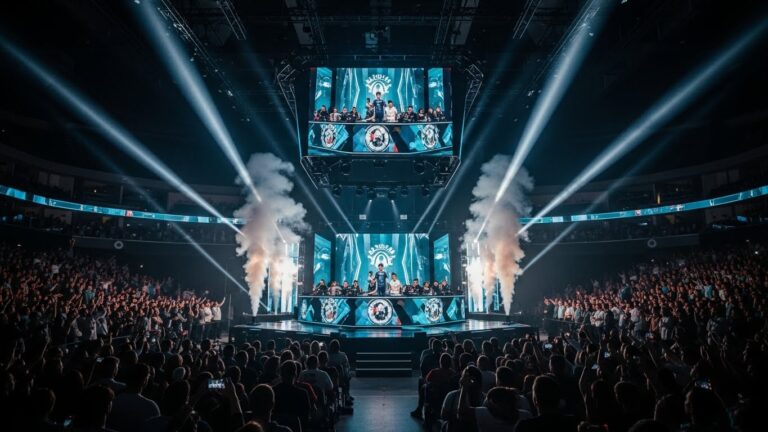
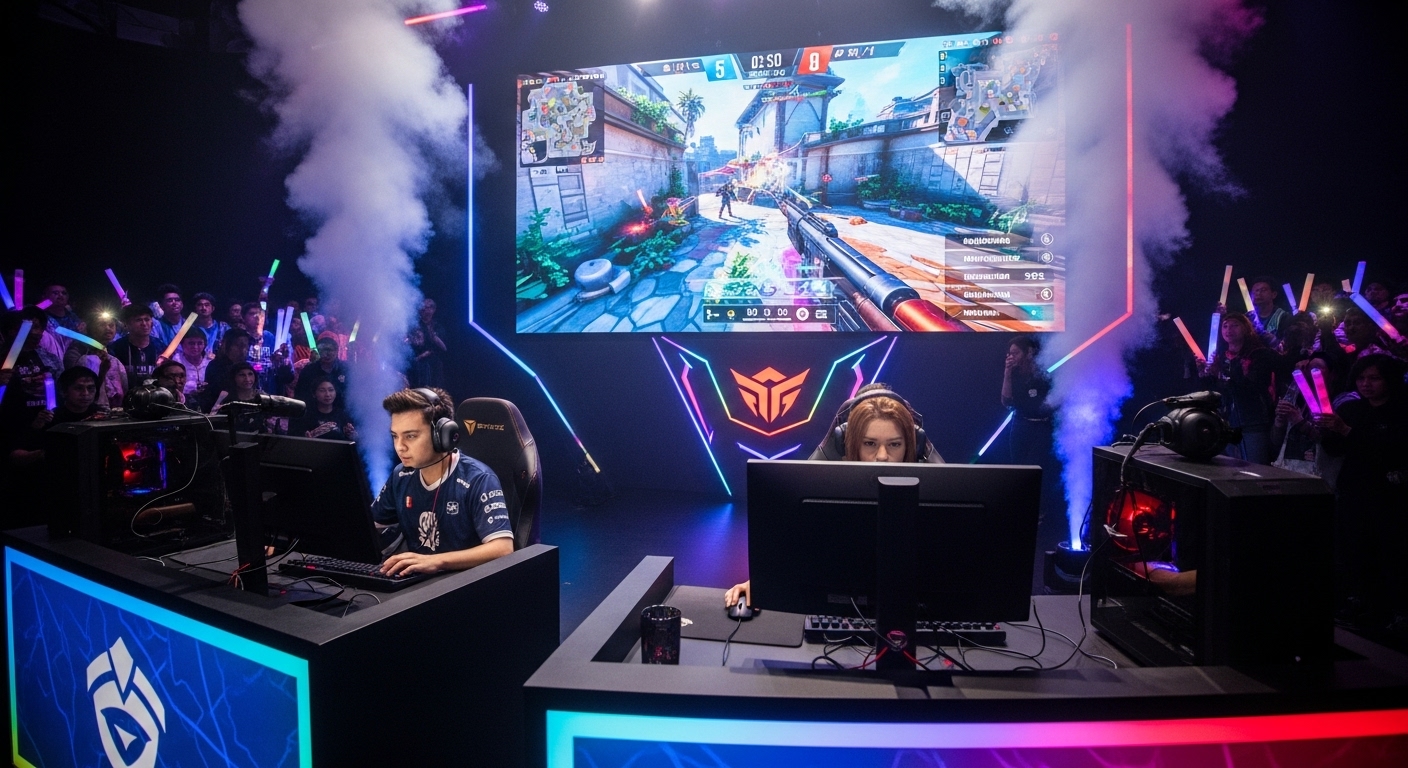
Live esports events, often held in arenas, provide immersive experiences for fans. Spectators witness intense gameplay on massive screens, cheer for their favorite teams, and participate in fan activities. The energy of live esports events mirrors that of traditional sports stadiums.
Streaming and Content Creation
Streaming platforms have been a critical factor in the growth of esports. Services like Twitch, YouTube Gaming, and Facebook Gaming allow players to broadcast their gameplay to global audiences.
1. Engagement and Interaction:
Streaming enables real-time interaction between gamers and viewers. Chat features allow fans to ask questions, celebrate achievements, or participate in polls. This interactivity strengthens community bonds and enhances engagement.
2. Monetization Opportunities:
Streamers generate revenue through subscriptions, donations, sponsorships, and advertising. Successful content creators can make substantial income while building personal brands that extend beyond competitive play.
3. Cultural Influence:
Streaming has influenced gaming culture, popularizing new titles, highlighting strategies, and fostering communities. Streamers often serve as influencers who guide trends, launch careers, and promote esports as mainstream entertainment.
The Economics of Esports
The esports industry has evolved into a multibillion-dollar market. Revenue streams include tournament winnings, sponsorships, media rights, merchandising, and digital advertising.
1. Prize Pools:
High-profile tournaments offer prize pools in the millions, incentivizing skill, dedication, and strategic excellence. These financial rewards elevate esports athletes to the status of professional sports stars.
2. Sponsorship and Marketing:
Brands invest heavily in esports for exposure to young, digitally engaged audiences. Companies sponsor teams, tournaments, and individual players, integrating their products into the gaming ecosystem.
3. Investment and Franchise Models:
Major esports leagues operate on franchise models, with investors purchasing team slots similar to traditional sports leagues. This model creates stability, promotes professional management, and drives long-term growth.
Cultural Impact of Esports
Esports has become more than just a gaming phenomenon—it is a cultural movement.
1. Global Communities:
Esports unites players and fans across borders. International tournaments and online competitions foster cultural exchange, mutual respect, and shared experiences.
2. Education and Training:
Esports has inspired educational programs, including scholarships, training academies, and university-level competitions. Institutions recognize the strategic, cognitive, and teamwork skills developed through competitive gaming.
3. Breaking Stereotypes:
Esports challenges traditional notions of athletes and sports. Gamers demonstrate discipline, strategy, and teamwork comparable to traditional sports, while also emphasizing mental acuity and technological mastery.
4. Media and Entertainment Integration:
Esports has integrated seamlessly into mainstream media, with live broadcasts, documentaries, and cinematic presentations. It has influenced music, fashion, and popular culture, creating a cross-industry phenomenon.
Challenges Facing Esports
Despite its rapid growth, esports faces several challenges that may shape its future.
1. Regulation and Governance:
The global nature of esports creates legal complexities. Different countries have varying laws regarding gambling, player contracts, and intellectual property. Establishing unified regulations remains an ongoing challenge.
2. Mental and Physical Health:
Intense training schedules and competitive pressure can affect player well-being. Maintaining balance, addressing burnout, and promoting physical and mental health are essential for sustainable careers.
3. Inclusivity and Diversity:
Esports has historically been male-dominated, but efforts to include more women, LGBTQ+ players, and diverse communities are underway. Promoting inclusivity will strengthen the industry and broaden its audience.
4. Cheating and Fair Play:
Ensuring fairness and integrity is crucial. Anti-cheat software, monitoring systems, and strict tournament rules help prevent cheating, but ongoing vigilance is required.
The Future of Esports
The future of esports promises further innovation, expansion, and mainstream acceptance.
1. Virtual Reality Competitions:
VR esports may redefine gameplay, offering immersive environments and new mechanics that challenge traditional competitive formats.
2. Integration with Traditional Sports:
Some professional sports organizations are investing in esports divisions. This crossover can create hybrid entertainment experiences and expand fan bases.
3. Global Expansion:
Esports is growing in regions previously underrepresented, including Africa, South America, and Southeast Asia. Infrastructure development and digital connectivity will accelerate this growth.
4. Technology and Innovation:
Advances in AI, streaming, cloud gaming, and augmented reality will enhance both player experiences and spectator engagement. Esports may evolve into more interactive, immersive, and accessible formats.
Conclusion: Esports as a Defining Feature of Modern Entertainment
Esports has evolved from small competitions in arcades and computer labs to a global phenomenon with professional athletes, international tournaments, and passionate fan communities. Its growth reflects broader cultural, technological, and economic trends that define modern entertainment.
The combination of competitive skill, strategic depth, community engagement, and technological innovation ensures that esports will continue to expand and evolve. It has redefined what it means to be an athlete, a fan, and a global entertainment industry participant.
As technology and gaming culture advance, esports will remain at the forefront of digital entertainment, inspiring new generations of players and fans alike. Its legacy is not only in the thrill of competition but also in the communities, careers, and global connections it has created.
Esports is no longer a niche hobby—it is a defining feature of contemporary entertainment, a testament to the power of digital culture, and a glimpse into the future of interactive media.
About the Author