Esports, or electronic sports, has rapidly transformed from a niche hobby into a global phenomenon. Over the last two decades, competitive gaming has evolved into a multibillion-dollar industry, attracting millions of viewers and players worldwide. Esports isn’t just about playing video games; it’s about creating a platform for people to connect, compete, and even build careers. In this blog post, we’ll explore the various aspects of esports, from its history and growth to its impact on the global economy, culture, and society.
The Origins of Esports
Esports has a long and storied history, with its roots going back to the early days of gaming. While the term “esports” might be relatively new, competitive gaming has existed since the late 20th century. In the 1980s, arcade tournaments began to gain popularity, with competitions like Space Invaders Championship drawing crowds. By the early 90s, competitive gaming began transitioning from arcade machines to home consoles and PCs.
The real turning point came in the late 1990s and early 2000s. The release of games like StarCraft and Quake helped solidify the idea of professional gaming. These games had a high skill ceiling and required strategic thinking, which laid the groundwork for competitive play. The first major esports tournaments, such as the Red Bull LAN and World Cyber Games, began taking place around this time, showcasing the potential of gaming as a professional sport.
The Rise of Esports
Esports truly exploded in popularity during the mid-2000s, largely due to the increasing accessibility of high-speed internet and the growth of online multiplayer games. Titles like League of Legends, Dota 2, and Counter-Strike started to create large, dedicated player bases, and these games became the foundation of the esports industry we know today. Not only were people playing these games, but they were also watching them, which led to the birth of esports streaming platforms.
The rise of platforms like Twitch in 2011 allowed gamers to broadcast their skills to a global audience. With millions of concurrent viewers, Twitch became the go-to platform for esports broadcasting. Players were able to gain fame, sponsorships, and even create brands around their gaming personas. Similarly, YouTube Gaming, Facebook Gaming, and other streaming platforms also contributed to the growing visibility of esports.
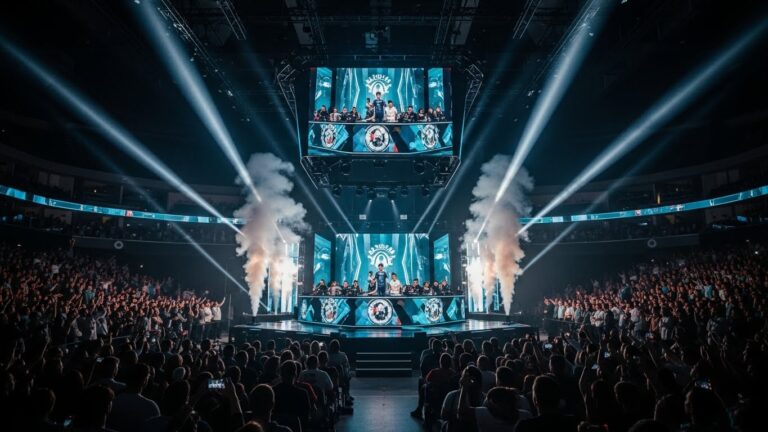
Esports tournaments grew exponentially in size and reach, with events like The International (Dota 2), League of Legends World Championship, and Overwatch League drawing in viewers from across the globe. These tournaments offered massive prize pools, further incentivizing talented players to pursue gaming as a career.
The Esports Ecosystem: A Global Industry
Today, esports is a vast and complex ecosystem, composed of various interconnected components. At its core, esports is built around competitive gaming, but it also includes broadcasting, sponsorship, advertising, team organizations, and even player management. The ecosystem is composed of three key pillars: players, teams, and fans.
Players
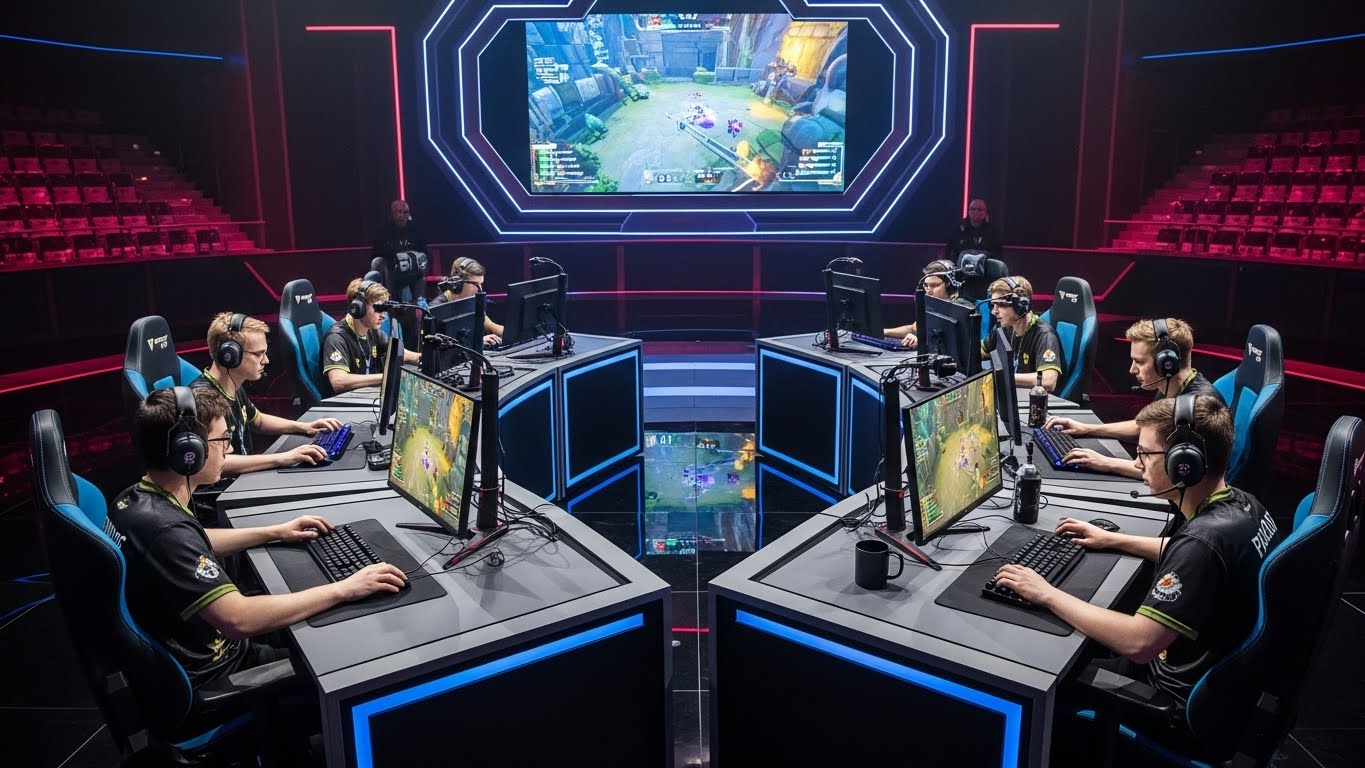
Esports players are at the heart of the industry. These individuals are skilled gamers who often dedicate years of practice to mastering their craft. Becoming a professional esports player requires not only exceptional gameplay but also an understanding of game mechanics, team coordination, and strategies. Some players start their careers in amateur leagues or online tournaments, gradually gaining recognition before joining professional teams.
Teams and Organizations
As the industry grew, so did the need for organizations to manage teams, coaches, analysts, and support staff. Today, esports teams resemble traditional sports teams, with structures that include general managers, marketing departments, and player scouts. These teams compete in various games, and the most successful teams enjoy sponsorships, merchandise sales, and global recognition.
Top-tier organizations such as Cloud9, Team Liquid, and Fnatic have built fan bases and business models similar to those of traditional sports teams. They sign sponsorship deals with global brands, create content for social media platforms, and even open esports training facilities.
Fans and Viewership
Esports would not be what it is today without its passionate fans. These fans support their favorite teams and players through streaming platforms, social media, and live event attendance. Fans also play a significant role in monetizing the industry. They contribute to the viewership numbers that attract advertisers and sponsors, and they purchase merchandise and tickets for live events.
The community aspect of esports is one of its most powerful features. Fans from across the world can interact with each other, sharing experiences, predictions, and reactions in real time. Esports has created a global community united by a love of gaming and competition.
The Business of Esports
The esports industry has proven to be an economic powerhouse. In 2020, the global esports industry was valued at over $1 billion, and projections suggest that it could surpass $2 billion by 2024. A significant portion of this revenue comes from sponsorships and advertising. Major companies like Intel, Coca-Cola, and Nike have recognized the potential of esports and have invested heavily in partnerships and marketing campaigns targeting gamers.
Beyond sponsorships, esports revenue also comes from media rights deals, merchandise sales, and ticket sales for live events. These revenue streams have helped to fund large-scale events, offering players huge prize pools, sometimes reaching millions of dollars. For example, The International 2019 (Dota 2’s flagship event) featured a prize pool of over $34 million, with the winning team taking home over $15 million.
The growing business opportunities in esports have also given rise to a new breed of esports entrepreneurs. Investors are pouring money into gaming startups, esports infrastructure, and technology that can improve the player and fan experience. Esports betting, with platforms like Unikrn and Betway Esports, is another significant aspect of the industry, further enhancing its financial footprint.
The Cultural Impact of Esports
While the business side of esports is impressive, the cultural impact is perhaps even more profound. Esports has revolutionized how people perceive gaming. In the past, gaming was often seen as a solitary, nerdy activity, but the rise of esports has helped to legitimize gaming as a form of entertainment and even as a career.
Esports and Socialization
One of the most striking features of esports is the way it fosters socialization. Gamers from different parts of the world can team up or compete against each other in real time. Esports has turned gaming into a highly social experience, where communities form around games, players, and teams. Online platforms like Discord, Reddit, and Twitch offer spaces for fans to come together, share their experiences, and discuss game-related content.
Moreover, esports events have become social gatherings, where fans travel to watch their favorite players and teams in person. These events often have a festival-like atmosphere, with merchandise booths, fan meet-ups, and concerts. The combination of gaming and socialization has attracted a diverse demographic to esports, from teenagers to adults, casual gamers to competitive players.
Breaking Down Stereotypes
Esports has also challenged stereotypes associated with gamers. In the past, gaming was often viewed as an activity for introverted, socially awkward individuals. However, professional esports athletes are high performers who must possess critical thinking skills, teamwork abilities, and mental fortitude. Esports has created role models for young gamers, showing them that success in gaming can lead to fame, fortune, and a fulfilling career.
Moreover, esports has opened doors for women in gaming, a historically male-dominated space. Organizations like Cloud9, G2 Esports, and Dignitas have launched all-female teams, and events like the Women in Esports summit are helping to create a more inclusive environment for female players, coaches, and staff.
The Future of Esports
The future of esports looks incredibly promising. As technology continues to advance, so too will the possibilities for esports. Virtual and augmented reality (VR/AR) could revolutionize how games are played and spectated, taking the immersion to new heights. The expansion of 5G networks will also enable more seamless gaming experiences and lower latency for real-time online competitions.
Furthermore, as esports continues to grow, it is likely to become even more integrated into mainstream sports. The potential for esports to join the Olympic Games or similar large-scale sporting events is already being discussed, as esports continues to demonstrate its universal appeal and global reach.
Conclusion
Esports has evolved from a niche hobby to a global industry with a vibrant ecosystem that spans players, teams, fans, and businesses. It has transcended the realm of gaming to become a cultural and economic force, revolutionizing how we perceive entertainment and competition. With its explosive growth, esports is poised to continue shaping the future of gaming and providing opportunities for players and entrepreneurs alike.
As esports matures and diversifies, the next generation of players, fans, and investors will have the chance to redefine the boundaries of what’s possible in this exciting industry. Whether you’re a gamer, a fan, or someone just getting started in the world of esports, there’s never been a better time to dive into this rapidly evolving universe.
About the Author