Introduction
In the past few decades, a new form of competition has taken the world by storm — one that does not require physical stadiums or athletic fields, but instead thrives on digital platforms. This phenomenon is Esports, short for “electronic sports.” What began as casual gaming among friends has evolved into a billion-dollar global industry, where players, teams, and fans gather in virtual arenas to test skill, strategy, and endurance. Esports is no longer a hobby; it is a legitimate, professional, and cultural force that has redefined entertainment and competition in the 21st century.
This article explores the vast and fascinating universe of Esports — its origins, growth, culture, impact, and future. From amateur gamers to professional leagues and international tournaments, Esports has transformed the way we perceive gaming, careers, and even sportsmanship itself.
The Origins of Esports
To understand how Esports became such a powerful phenomenon, we must trace its roots back to the earliest days of video gaming. Competitive gaming began in the late 1970s and early 1980s, long before the internet made online play possible. The first recorded video game competition took place in 1972 at Stanford University, where students played the space combat game Spacewar! for a year’s subscription to Rolling Stone magazine.
In the 1980s, arcade culture flourished. Players flocked to local arcades to chase high scores in games like Pac-Man, Donkey Kong, and Space Invaders. Leaderboards became an early symbol of gaming prestige. In 1980, Atari hosted the Space Invaders Championship, which drew over ten thousand participants across the United States. It was the first large-scale gaming tournament and marked the beginning of gaming as a spectator event.
As technology advanced, home consoles such as the Nintendo Entertainment System and Sega Genesis made gaming more accessible. Friendly competition moved from arcades to living rooms. But the real transformation occurred in the late 1990s and early 2000s with the rise of the internet, which allowed players to connect and compete globally.
The Rise of Online Competition
The introduction of broadband internet changed everything. Multiplayer games like StarCraft, Counter-Strike, and Quake became the foundation of modern Esports. Players could now face opponents across the world, sharpening their skills in real-time. South Korea emerged as a global Esports pioneer during this era. Internet cafés, known as “PC bangs,” became cultural hubs for young gamers. The government recognized Esports as a professional industry, establishing organizations such as the Korean e-Sports Association (KeSPA). Televised tournaments featuring StarCraft players attracted millions of viewers, turning gamers into national celebrities.
By the mid-2000s, competitive gaming was no longer a niche activity. It had professional teams, sponsorships, and structured tournaments. Esports began to resemble traditional sports — complete with leagues, commentators, coaches, and training regimens. Games like Dota, League of Legends, Call of Duty, and Halo became household names among gamers.
The Professionalization of Esports
Esports’ growth into a professional industry is one of the most remarkable success stories of modern entertainment. What once seemed like a hobby became a viable career path for thousands of players. Organizations and investors began to see the massive potential in competitive gaming, leading to the creation of major leagues and franchises.
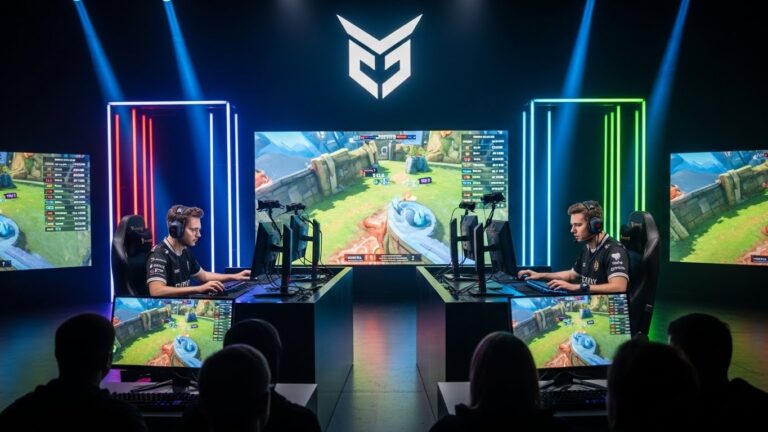
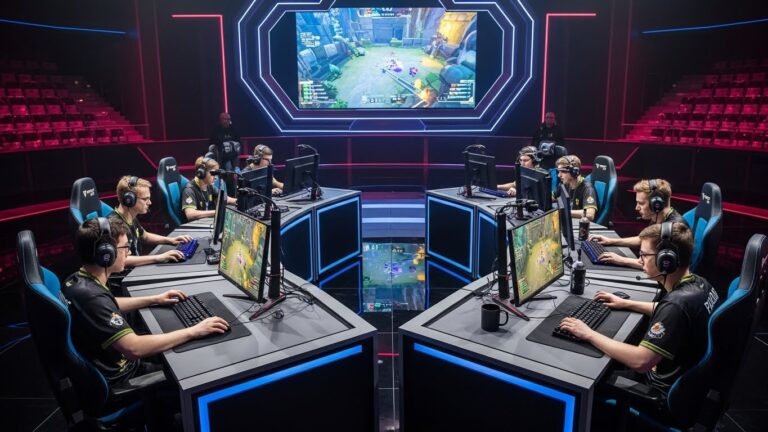
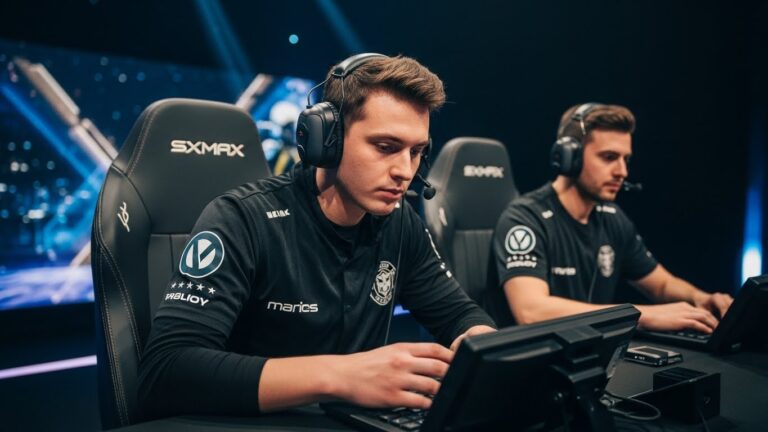
Professional Esports players train with the same discipline and dedication as traditional athletes. They follow strict schedules, practice strategies, review gameplay footage, and maintain physical and mental health routines. Teams employ managers, analysts, and psychologists to ensure players perform at their peak. The infrastructure surrounding Esports has matured to include everything from sponsorship deals to player contracts and broadcasting rights.
Tournaments such as The International (for Dota 2), the League of Legends World Championship, and CS:GO Majors now offer multimillion-dollar prize pools. The 2019 Fortnite World Cup awarded its teenage champion $3 million — more than many traditional athletes earn from a single event. Esports is no longer a subculture; it is mainstream entertainment on par with film, music, and traditional sports.
The Role of Streaming and Media
The rise of live streaming platforms like Twitch and YouTube Gaming accelerated Esports’ global popularity. These platforms transformed how audiences consume gaming content. Instead of relying solely on television or recorded broadcasts, fans can now watch their favorite players live, interact through chat, and even donate money to support them.
Streaming has democratized Esports viewership. A single skilled gamer can attract millions of followers and earn a living through sponsorships, ad revenue, and fan donations. Esports content is diverse — from professional tournaments to casual “let’s play” streams, tutorials, and commentary shows. The accessibility of streaming platforms has also blurred the line between amateur and professional play, allowing anyone with talent and charisma to rise to fame.
Media coverage has expanded significantly as well. Major networks and sports channels have begun broadcasting Esports tournaments. Universities and educational institutions offer Esports degrees, and mainstream news outlets regularly feature gaming-related stories. The narrative has shifted from “video games as a pastime” to “video games as a profession and cultural pillar.”
The Global Esports Ecosystem
Esports is a truly global industry. Different regions have developed their own dominant games, teams, and fan bases.
In Asia, South Korea remains a powerhouse, especially in games like League of Legends and StarCraft. China has become a major Esports hub, hosting massive tournaments and investing heavily in gaming infrastructure. Japan, once hesitant due to strict regulations, has also embraced Esports, particularly with fighting games such as Street Fighter and Tekken.
In Europe, countries like Sweden, Denmark, and Germany are home to world-class teams and events. European players often dominate first-person shooters and strategy games.
In North America, Esports has grown exponentially, with professional leagues structured like traditional sports franchises. The Overwatch League and Call of Duty League introduced city-based teams, creating regional pride and loyal fan bases.
In other regions, such as Latin America, the Middle East, and Africa, Esports continues to expand rapidly. Improved internet access, gaming cafés, and mobile platforms are making competitive gaming more inclusive than ever before.
The Cultural Impact of Esports
Esports is more than just competition; it is a cultural movement. It has reshaped how people interact with technology, media, and community. For younger generations, gaming is not merely entertainment — it is a form of self-expression and identity.
Esports has fostered a global community that transcends borders and languages. Fans from different countries unite around shared interests, cheering for teams and players from all over the world. Online forums, fan art, cosplay, and social media communities contribute to a rich subculture that rivals those of traditional sports.
Furthermore, Esports challenges stereotypes about gamers. It demonstrates that video games require not only reflexes and hand-eye coordination but also critical thinking, teamwork, and emotional resilience. Esports athletes are often compared to chess grandmasters for their strategic depth and quick decision-making.
The phenomenon also influences fashion, music, and entertainment. Major artists perform at Esports events, gaming brands collaborate with clothing companies, and cinematic trailers resemble blockbuster films. Esports is not confined to a screen; it has become a lifestyle and cultural statement.
Esports as a Career Path
The idea of “playing video games for a living” once seemed unrealistic, but today it is a legitimate career option for many. The Esports ecosystem offers a wide range of opportunities beyond being a professional player.
Players can become streamers, coaches, analysts, event organizers, commentators, or content creators. Game developers and publishers employ professionals to manage Esports operations, marketing, and broadcasting. Universities and high schools now offer scholarships for Esports athletes, just as they do for football or basketball players.
The demand for Esports professionals continues to grow. Production teams, social media managers, journalists, and designers all play essential roles in creating engaging Esports experiences. The industry’s expansion means that both technical and creative skills are valuable.
However, pursuing an Esports career also comes with challenges. Players face intense competition, short career spans, and physical strain from long practice hours. As the industry matures, discussions around player health, contracts, and financial stability have become more prominent.
The Economics of Esports
The business side of Esports is massive and complex. Revenue comes from multiple sources: sponsorships, advertising, ticket sales, merchandise, and media rights. Major corporations, from technology giants to beverage brands, invest heavily in Esports marketing to reach young, tech-savvy audiences.
Sponsorship is the largest contributor to Esports revenue. Companies provide financial support to teams and tournaments in exchange for brand visibility. Event organizers secure deals with streaming platforms and broadcasters, while developers benefit from increased player engagement and in-game purchases.
Franchise models have introduced financial stability and structure. Teams pay significant entry fees to join professional leagues, but in return gain access to shared revenue and long-term growth opportunities. The success of these models mirrors traditional sports leagues like the NBA or NFL, signaling the maturity of the Esports business ecosystem.
The Role of Technology in Esports
Technology is at the heart of Esports. The industry thrives on cutting-edge hardware, software, and connectivity. High-performance gaming PCs, advanced peripherals, and high-speed internet connections are essential for professional play.
Innovations in graphics, virtual reality, and artificial intelligence continue to shape the gaming experience. Developers optimize games for competitive balance and fairness, ensuring that success relies on skill rather than luck. Streaming technologies allow real-time broadcasting to millions of viewers with minimal delay, enhancing audience engagement.
Cloud gaming and mobile platforms are also expanding Esports’ reach. Mobile titles such as PUBG Mobile, Mobile Legends, and Free Fire have created massive Esports ecosystems, especially in developing countries where high-end PCs are less accessible.
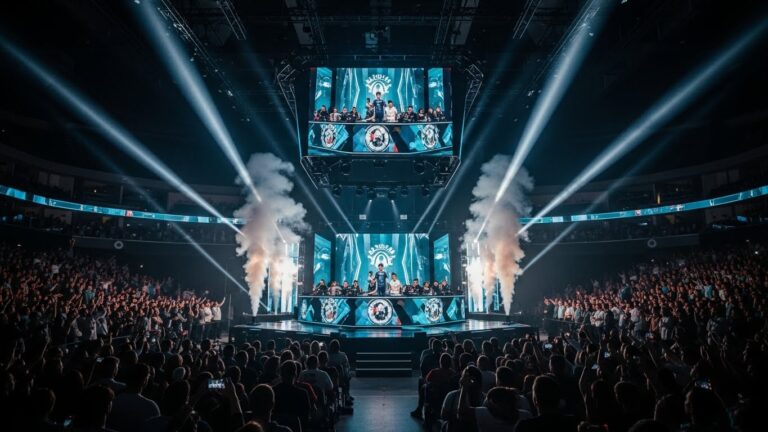
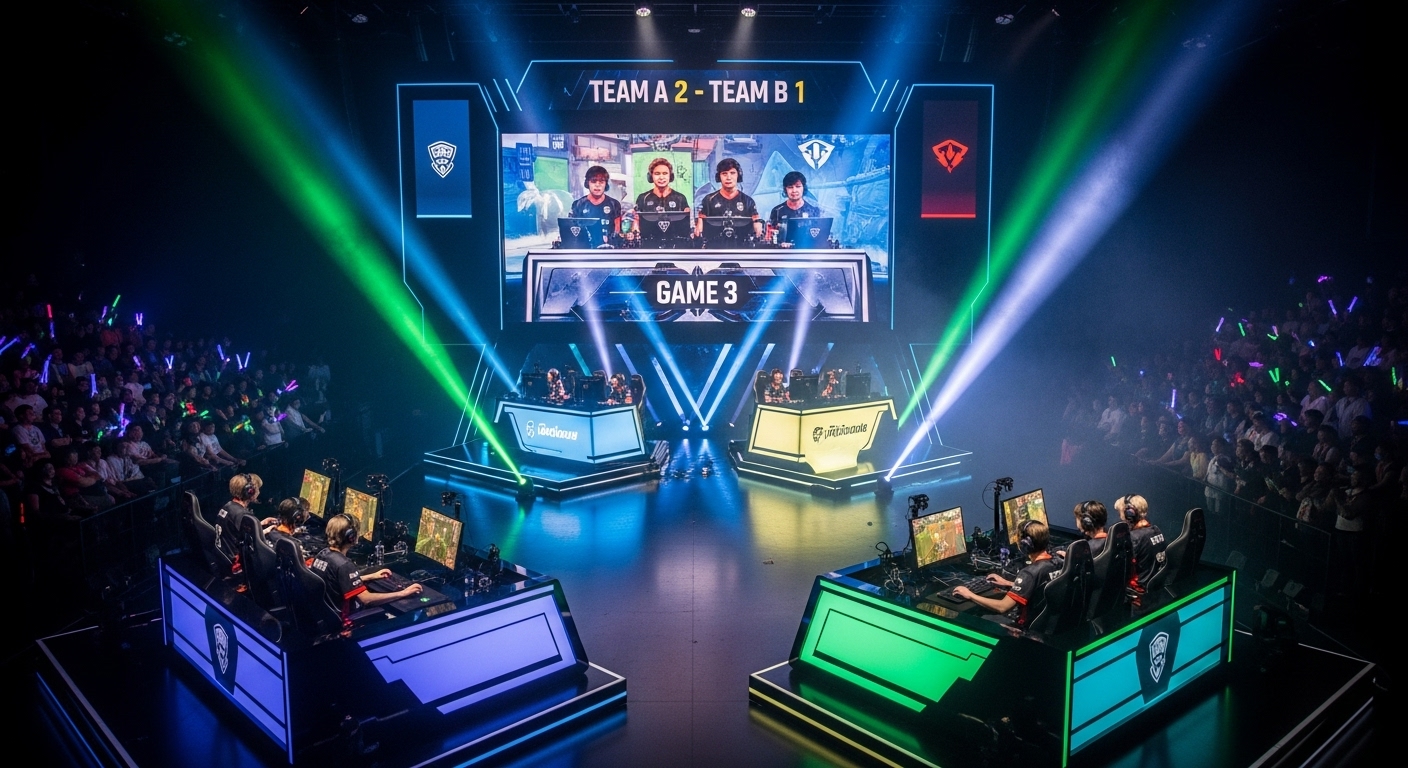
Esports arenas are equipped with state-of-the-art lighting, sound systems, and large screens to provide immersive spectator experiences. As virtual and augmented reality advance, the boundary between player and viewer may blur even further.
Education and Esports
The integration of Esports into education marks a new era in academic and extracurricular programs. Schools and universities around the world have begun to recognize Esports as a legitimate form of competition and learning.
Educational institutions are establishing Esports clubs, courses, and degree programs focused on game design, business management, and digital media. Students learn teamwork, communication, and problem-solving through gaming — skills transferable to many industries.
Some universities even offer full scholarships for Esports athletes, recognizing their potential to bring prestige to the institution. This academic embrace of gaming not only legitimizes Esports further but also provides pathways for students to turn their passion into profession.
Challenges and Criticisms
Despite its success, Esports faces several challenges. Issues such as player burnout, lack of regulation, and inclusivity remain pressing concerns.
Professional gamers often endure long hours of practice, leading to physical injuries such as carpal tunnel syndrome and mental health struggles like stress and anxiety. Industry leaders are now emphasizing wellness programs and proper rest schedules.
The lack of a unified global governing body has also led to inconsistencies in rules, player rights, and tournament standards. Some regions have established strong organizations, but global coordination remains a work in progress.
Another challenge is ensuring diversity and inclusivity. Female players and marginalized communities still face barriers, including harassment and underrepresentation. Efforts are underway to create safer, more inclusive environments through education, policy, and community initiatives.
Cheating and match-fixing are additional concerns. With high stakes involved, maintaining integrity and fair play is crucial. Developers and organizers employ advanced monitoring systems and strict penalties to deter unethical behavior.
The Future of Esports
The future of Esports looks incredibly promising. Analysts predict that the industry will continue to grow in both revenue and audience size, eventually rivaling traditional sports in global influence.
Technological advancements will play a major role in shaping Esports’ next phase. Virtual reality, augmented reality, and artificial intelligence could redefine gameplay, strategy, and viewership. New genres and platforms will emerge, expanding the diversity of competitive experiences.
As the industry matures, regulation and governance will likely become more standardized, ensuring fair treatment of players and sustainable business practices. Esports could also become part of major international sporting events, such as the Olympics, as discussions about its inclusion continue.
Most importantly, Esports will keep inspiring new generations. It demonstrates that passion, skill, and creativity can lead to success, even in digital spaces. The sense of community and innovation that drives Esports ensures it will remain one of the most dynamic and influential industries of the modern era.
Conclusion
Esports is more than just gaming — it is a revolution in how humans compete, connect, and create. From humble beginnings in arcades to packed arenas and online streaming platforms, Esports has become a defining element of contemporary culture. It unites millions of fans, offers new career opportunities, and challenges outdated notions of what sports and entertainment can be.
As technology continues to evolve, so will Esports. Its growth reflects humanity’s enduring love for competition and storytelling — only now, the stories are written not on fields or courts, but in pixels and code. The digital arena is vast, and its champions continue to push the boundaries of imagination, strategy, and skill.
In the end, Esports is not just about winning or losing. It’s about connection, innovation, and the shared excitement of play — a universal language for a digital generation.
About the Author