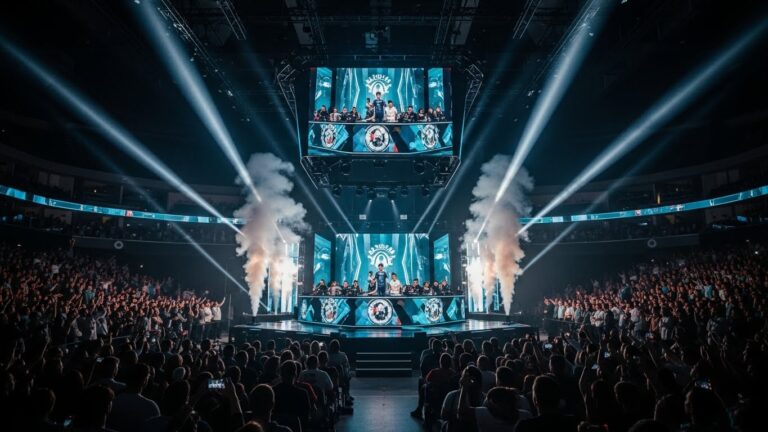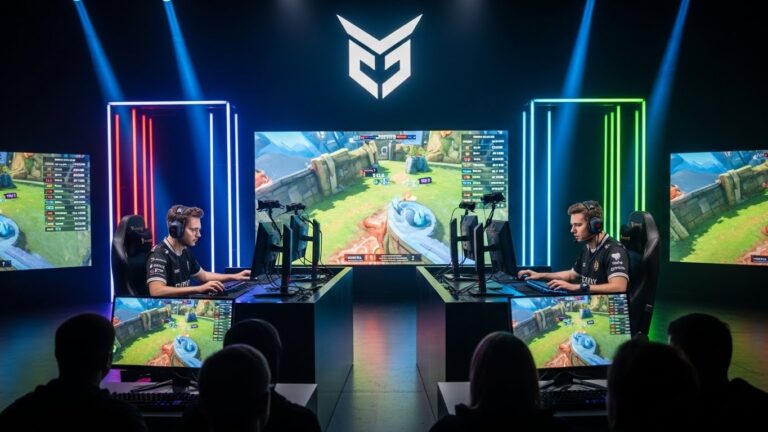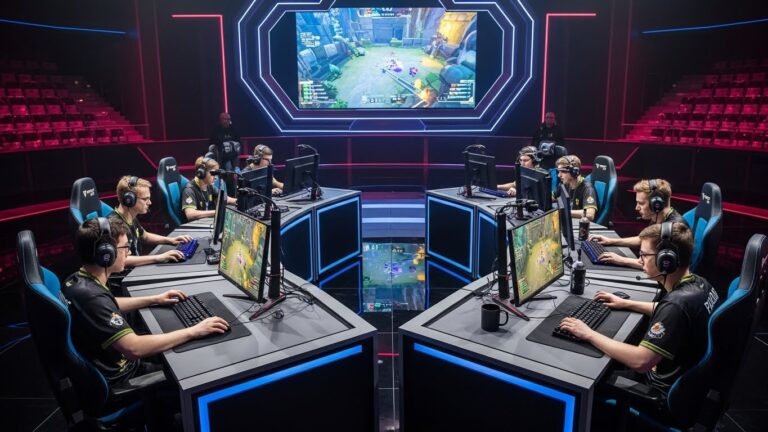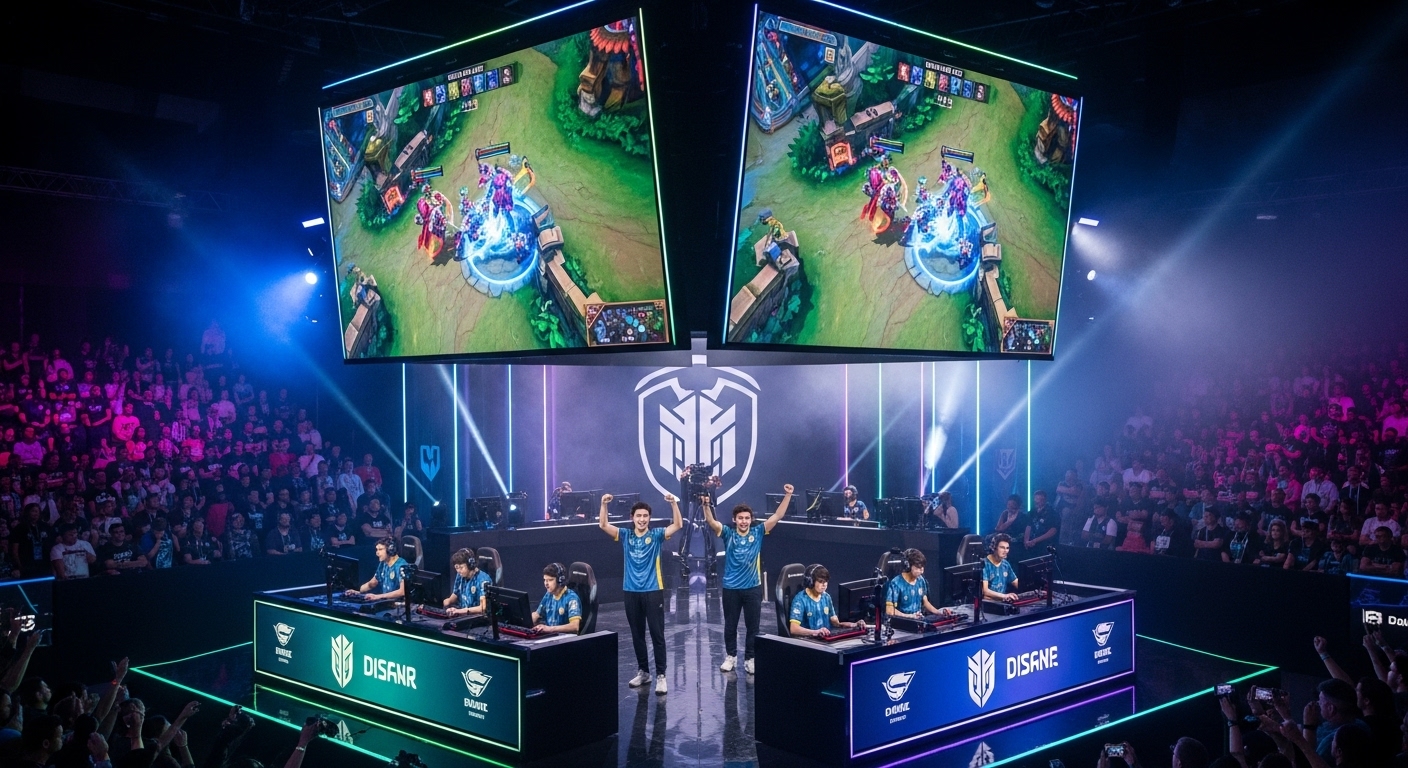
Esports, short for electronic sports, has grown from a niche pastime for gamers to one of the world’s most dynamic entertainment industries. What began as a hobby in local LAN tournaments has exploded into a global phenomenon. Players are now recognized as athletes, games are broadcast globally, and fans flock to arenas just as they would for traditional sports. This blog explores the rapid evolution of esports, its cultural impact, and what the future holds for competitive gaming.
The Early Days of Competitive Gaming
Esports didn’t appear overnight. The concept of competitive gaming has existed for as long as video games themselves. In the 1970s, the idea of competition around games like Spacewar began to take shape, with early tournaments at universities. However, it wasn’t until the 1990s that competitive gaming began to gain real momentum. Early titles like Doom and Quake played a significant role in defining the landscape for modern esports.
As the internet became more accessible, online multiplayer games gained in popularity. In 1997, the first major international esports tournament took place, the Red Annihilation tournament for Quake. This event is often cited as the precursor to modern esports, drawing a large crowd of both players and viewers. Yet it wasn’t until games like StarCraft and Warcraft III were released that the industry truly began to expand.
The Evolution of Esports in the 2000s
The 2000s saw the rise of both international competitions and dedicated esports organizations. South Korea became the epicenter of competitive gaming during this time, with StarCraft: Brood War forming the backbone of its esports culture. The country invested heavily in infrastructure, establishing professional gaming leagues and television networks dedicated to esports broadcasts. This helped shape the future of esports, inspiring other countries to follow suit.
Games like Warcraft III and Counter-Strike also laid the groundwork for a new era of competitive gaming. Tournaments like the World Cyber Games and the Electronic Sports World Cup began attracting international attention, showcasing the best players in the world. By the end of the decade, gaming studios were starting to build competitive systems into their games from the ground up. League of Legends (released in 2009) is perhaps the best example of this, with its developer, Riot Games, creating a robust infrastructure for esports that helped propel the game to the top of the competitive gaming world.
Streaming platforms like Twitch, launched in 2011, also played a huge role in bringing esports to the masses. For the first time, fans could watch live broadcasts of tournaments from anywhere in the world, and players could connect with their audience in real-time. This democratization of gaming content was pivotal in growing esports’ popularity.
The Business Side of Esports
As esports grew, so did its financial backing. What once started as community-run tournaments now saw sponsorships from major brands, large-scale media deals, and even broadcasting rights for international events. Companies like Intel, Coca-Cola, Red Bull, and Nike began investing in esports teams and tournaments, and esports organizations like Cloud9, Team Liquid, and Fnatic began signing top-tier players, coaches, and analysts to build highly professionalized teams.
The prize pools for major esports events grew exponentially as well. Tournaments like The International (Dota 2) and the League of Legends World Championship now offer multi-million dollar prize pools, making competitive gaming a viable career option for top players. These competitions attract millions of viewers worldwide, often drawing larger audiences than traditional sports events such as the Super Bowl or the FIFA World Cup finals.
The business model of esports is multifaceted. Besides sponsorships and tournament winnings, many professional players generate income through live streaming, merchandise sales, and content creation. This expansion has created a diverse ecosystem of opportunities for people interested in esports, not just as players but as coaches, analysts, event organizers, and content creators.
Esports and Its Cultural Impact
One of the most fascinating aspects of esports is the way it has changed the perception of gaming within popular culture. No longer seen as a solitary or antisocial activity, gaming has evolved into a highly social experience. The advent of streaming platforms has allowed viewers to engage directly with their favorite players, offering an experience that is more interactive and personal than traditional sports viewing.
Esports has also fostered the growth of global communities. Whether it’s League of Legends fans connecting on Reddit, Counter-Strike players chatting on Discord, or esports enthusiasts sharing memes on Twitter, gaming communities are more connected than ever. Esports events bring people from all walks of life together, transcending geographical, cultural, and language barriers.
Moreover, esports has made gaming a legitimate career path for millions of young people around the world. Once seen as a hobby or leisure activity, gaming is now viewed as a potential profession. Universities have even started offering scholarships for esports athletes, and academic programs in esports management, game development, and media production are growing in popularity. This recognition of esports as a legitimate career option has further cemented its place in the mainstream.
The Role of Esports in Shaping New Media and Content
Esports has also had a significant influence on the way we consume media. Traditional sports broadcasting, with its focus on live events and limited interactivity, is slowly being eclipsed by the personalized, interactive nature of esports streaming. Through platforms like Twitch, YouTube Gaming, and Facebook Gaming, viewers can not only watch live streams of competitive games but also interact with the streamers in real-time through chat, donations, and social media.
This shift has altered the way content is consumed across the globe. Gaming influencers and esports streamers now hold a level of celebrity that rivals traditional sports stars. Figures like Ninja (Tyler Blevins) and Shroud (Michael Grzesiek) have millions of followers, and their impact on gaming culture is undeniable. The rise of influencers has led to new opportunities in branding and sponsorship, with companies eager to partner with gaming personalities to promote their products.
Esports has also affected traditional sports media. ESPN, for instance, now covers major esports events, and even broadcasts tournaments like the League of Legends World Championship. This crossover demonstrates that esports is not just an online phenomenon but a legitimate form of entertainment that is increasingly integrated into mainstream media.
The Challenges Facing Esports
Despite its rapid growth, esports is not without its challenges. One of the most pressing concerns is the mental and physical well-being of players. The demands of professional gaming can be intense, with players often practicing for 10-12 hours a day, resulting in physical strain, burnout, and stress. There have been growing calls within the industry for better mental health support, breaks, and a focus on overall well-being for players.
Another challenge is the issue of regulation. While esports organizations have done their best to create fair and transparent systems, incidents of cheating, match-fixing, and player exploitation continue to surface. As the industry matures, it will need to develop better governance structures and policies to maintain its integrity and ensure that all participants are treated fairly.
Moreover, the commercial nature of esports raises questions about the balance between competition and profit. As sponsorship deals and media rights become more lucrative, some fans worry that the industry may lose its grassroots appeal and become too focused on maximizing revenue. Striking a balance between profitability and preserving the integrity of the sport is an ongoing challenge for esports leaders.
The Future of Esports
Looking ahead, the future of esports is filled with immense potential. With the ongoing rise of virtual and augmented reality technologies, esports could see a new era of immersive, three-dimensional experiences. These technologies have the potential to revolutionize the way games are played and viewed, offering fans new forms of interactivity and excitement.
The global expansion of esports is another key trend. While North America, Europe, and East Asia are currently the primary hubs of competitive gaming, regions like Southeast Asia, South America, and the Middle East are increasingly embracing esports. As infrastructure improves and access to high-speed internet becomes more widespread, esports will continue to grow in these regions, further solidifying its position as a global phenomenon.
Another area of potential growth is the integration of esports into traditional sports. Several major sports leagues, such as the NBA, NFL, and Formula 1, have already begun investing in esports through dedicated teams and events. This crossover could bring about a new era of hybrid competitions, where both physical and digital athletes compete in the same event.
Conclusion
Esports has come a long way from its humble beginnings. It has become a global entertainment force, drawing millions of viewers, generating billions in revenue, and creating career opportunities for aspiring players, coaches, and content creators. While there are challenges ahead, the rapid growth and cultural significance of esports are undeniable.
As technology continues to evolve and new regions embrace esports, there is no telling how big the industry will become. One thing is certain, though: esports is here to stay, and it is reshaping the world of entertainment for generations to come.
About the Author