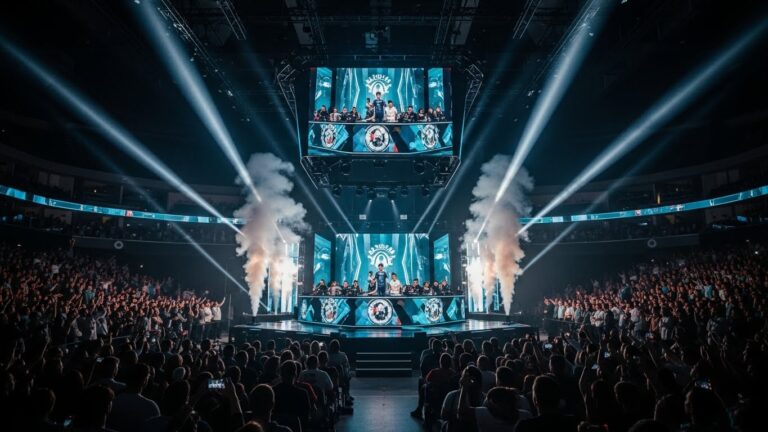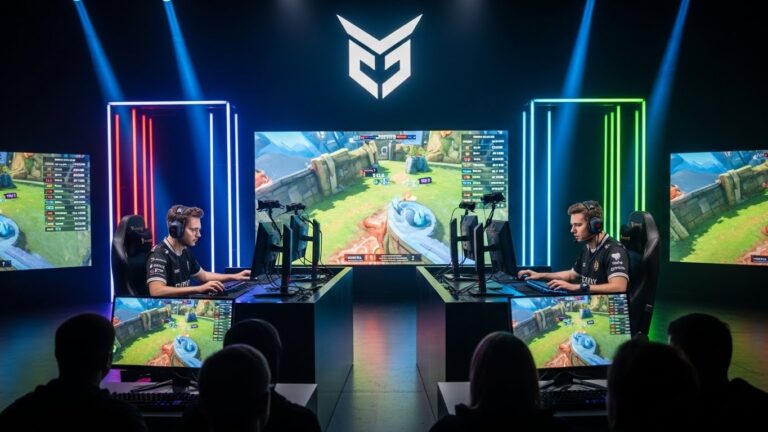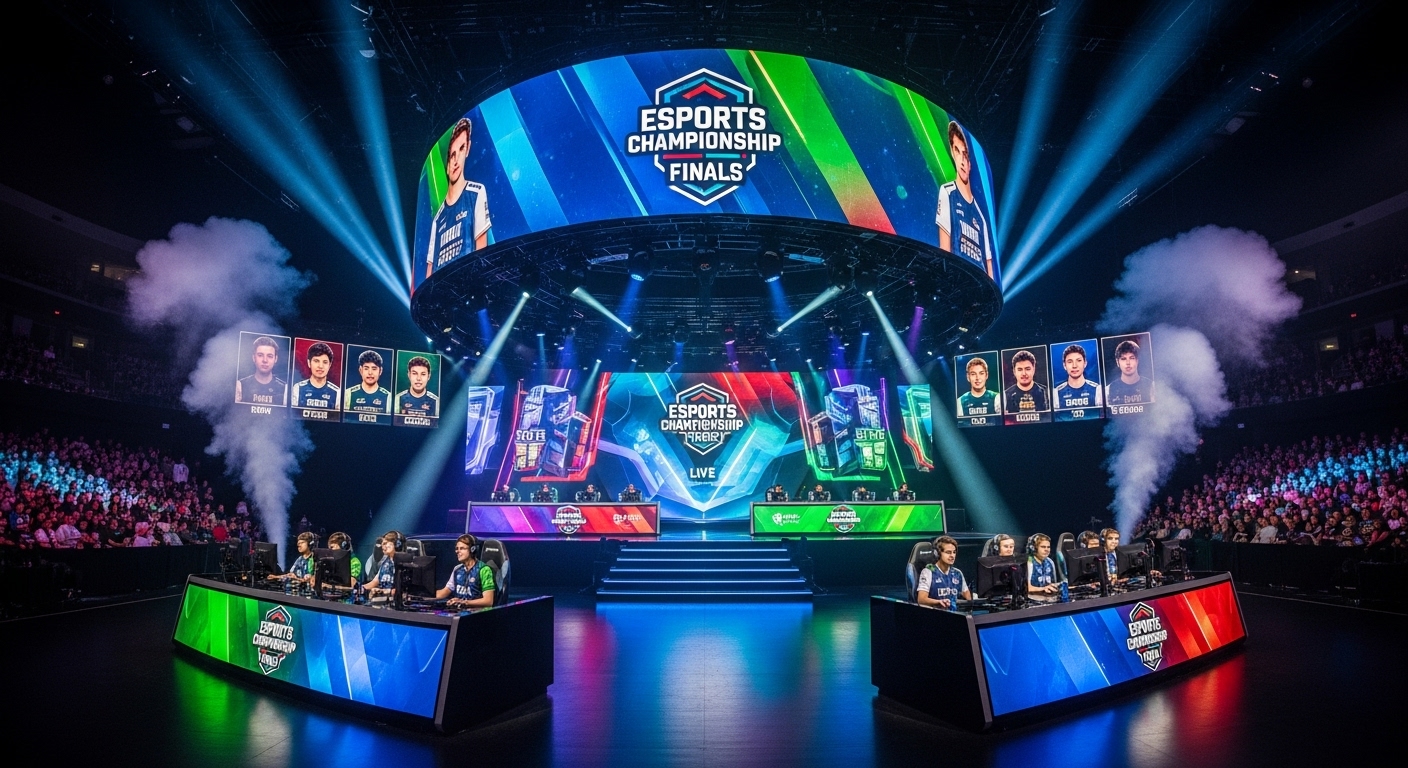
In the past decade, esports has evolved from a niche subculture into a global, multi-billion-dollar industry. What started as a hobby for a dedicated group of gamers has transformed into a mainstream entertainment phenomenon with massive online viewership, sponsorships, and lucrative prize pools. With millions of fans, professional teams, and streaming platforms, esports has become a cultural juggernaut, shaping the future of both competitive gaming and the entertainment industry as a whole.
What is Esports?
At its core, esports refers to competitive video gaming, where players or teams compete against each other in organized tournaments and leagues. Unlike traditional video games that are typically played for casual enjoyment, esports is centered around professional-level competitions. These competitions are often held both online and in large-scale arenas, where players face off in games ranging from real-time strategy (RTS) to first-person shooters (FPS) and multiplayer online battle arenas (MOBAs).
The esports industry encompasses a wide range of elements, from professional players and coaches to tournament organizers, broadcasters, sponsors, and fans. Esports events can be broadcast live on platforms like Twitch, YouTube, and Facebook Gaming, drawing millions of viewers from around the globe.
The Growth of Esports: From Niche to Mainstream
Esports has undergone explosive growth over the past two decades. In the early 2000s, competitive gaming was limited to small, local LAN parties and underground tournaments. However, with the rise of internet connectivity and platforms like YouTube and Twitch, the ability to watch and stream esports events grew exponentially.
A key turning point came in the late 2000s when popular games like League of Legends, Dota 2, and Counter-Strike began to dominate the competitive gaming scene. These titles, which emphasized teamwork, skill, and strategy, laid the foundation for what would become an industry worth billions.
The 2010s marked a period of rapid commercialization. Major esports events began to offer massive prize pools, with tournaments like The International for Dota 2 boasting prize pools in the tens of millions of dollars. The formation of esports organizations, sponsorship deals with major brands, and partnerships with established broadcasters helped bring esports into the mainstream.
Today, esports has a global following, with viewership numbers rivaling those of traditional sports. In fact, some of the largest esports tournaments attract more viewers than major sporting events like the Super Bowl or the FIFA World Cup.
The Impact of Technology on Esports
One of the driving forces behind the rise of esports is technology. The advancement of gaming hardware, internet infrastructure, and broadcasting tools has played a pivotal role in making competitive gaming a worldwide spectacle.
1. Gaming Hardware: Modern gaming computers, consoles, and peripherals provide the power and precision required for high-level competition. Players use high-refresh-rate monitors, specialized mice, and mechanical keyboards to gain the competitive edge, ensuring every action is executed with precision.
2. High-Speed Internet: The growth of high-speed internet has made online multiplayer games smoother and more accessible. The ability to compete in real-time with players from different parts of the world has been crucial in creating a global esports ecosystem.
3. Streaming Platforms: Platforms like Twitch and YouTube have revolutionized the way esports events are consumed. These platforms allow players to stream their gameplay, creating a direct connection between the players and their audiences. Viewers can watch live tournaments, cheer for their favorite teams, and interact with players through live chat.
4. Virtual Reality (VR) and Augmented Reality (AR): The future of esports looks increasingly digital, and technologies like VR and AR are set to reshape how esports are played and watched. VR allows for immersive experiences that bring fans closer to the action, while AR can enhance live broadcasts with interactive features.
Esports as a Career Path
As esports has grown, so too has the opportunity for players to turn their passion into a career. Professional esports players can earn significant income from tournament winnings, sponsorships, streaming, and merchandise sales.
A successful esports career requires a combination of skill, dedication, and perseverance. Many top players start their journeys at a young age, often honing their skills for years before they break into the professional scene. For example, players in League of Legends and Fortnite begin playing at a young age, practicing for hours each day to refine their gameplay and teamwork.
In addition to players, the esports ecosystem also offers opportunities for coaches, analysts, broadcasters, and content creators. Esports organizations often hire coaches and analysts to help their teams improve, while broadcasters and commentators provide live coverage of tournaments. Content creators, including streamers and YouTubers, can build a large following by creating gaming-related content, further contributing to the overall growth of the industry.
Major Esports Titles and Tournaments
There are several major esports titles that have helped define the competitive gaming landscape. Each of these games has its own unique appeal and dedicated fan base, contributing to the diverse ecosystem of esports.
1. League of Legends (LoL): Released by Riot Games in 2009, League of Legends is one of the most popular esports titles in the world. The game’s World Championship attracts millions of viewers each year, and the competitive scene is home to some of the best players and teams in the world. LoL is a multiplayer online battle arena (MOBA) game that requires strategic thinking, teamwork, and mechanical skill.
2. Counter-Strike: Global Offensive (CS:GO): Released by Valve in 2012, CS:GO is a first-person shooter (FPS) that has become a staple of esports. Known for its tactical gameplay and precision shooting, CS:GO tournaments are among the most-watched in the esports world. The game’s competitive scene is built around team-based play, where one team defends a bombsite while the other attacks.
3. Dota 2: Dota 2, developed by Valve, is another highly popular MOBA that has a massive esports following. The International, the game’s flagship tournament, has broken multiple records for the largest prize pool in esports history. The game is known for its deep strategy, large roster of heroes, and highly skilled players.
4. Fortnite: Released by Epic Games in 2017, Fortnite quickly became a cultural phenomenon. With its free-to-play model and battle royale format, Fortnite drew millions of players and spectators. The game’s competitive scene, particularly its World Cup, has attracted huge audiences and significant prize money.
5. Overwatch: Blizzard’s Overwatch introduced a fresh take on the team-based FPS genre, combining elements of strategy, teamwork, and hero-based abilities. The Overwatch League (OWL) has grown into one of the most recognizable esports leagues, with teams representing cities around the world.
The Role of Sponsorships and Partnerships
The rise of esports has caught the attention of major corporations and brands looking to capitalize on the industry’s rapid growth. Sponsorships play a critical role in the financial stability of esports teams, players, and tournaments. Companies like Coca-Cola, Red Bull, Intel, and Nike have all entered the esports market, providing funding for teams and events.
In addition to traditional sponsorships, esports has also seen partnerships with tech companies, streaming platforms, and even non-endemic brands. The integration of esports into mainstream media has attracted advertisers looking to reach younger, tech-savvy audiences who are often difficult to engage through traditional channels.
The Future of Esports
Looking ahead, the future of esports is incredibly bright. With continued advancements in technology, growing investment, and an expanding global fanbase, esports is poised to become even more influential in the entertainment industry.
One area of growth is in esports education and training. Colleges and universities around the world are now offering scholarships for esports players, and specialized schools are opening to teach students the skills required to succeed in competitive gaming. This shift toward formal education further legitimizes esports as a viable career path.
Additionally, virtual reality and augmented reality are expected to change how we experience esports. These technologies could provide fans with more immersive viewing experiences, where they can watch games in real-time from within the virtual world of the game itself.
Finally, the continued globalization of esports will only increase. With more players, teams, and tournaments spreading across different regions, esports will continue to bridge cultural divides and create a truly global community.
Conclusion
Esports has come a long way since its early days, growing from a niche hobby to a global entertainment phenomenon. As the industry continues to expand, it is clear that esports is here to stay. With its competitive spirit, technological innovations, and passionate fanbase, esports is poised to shape the future of both gaming and live entertainment for years to come.
As the industry matures, the possibilities are endless. From player career paths to new ways of engaging with fans, esports will undoubtedly continue to redefine what it means to be a professional athlete, a fan, and a content creator in the 21st century. Whether you’re a gamer, a viewer, or an industry professional, one thing is certain: the world of esports has only just begun.
About the Author