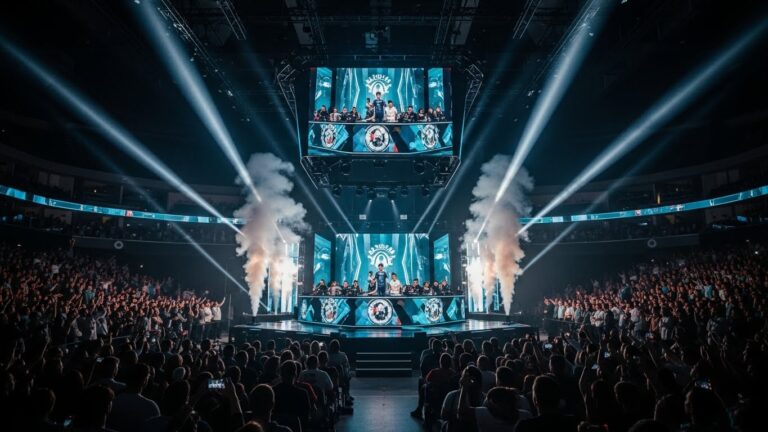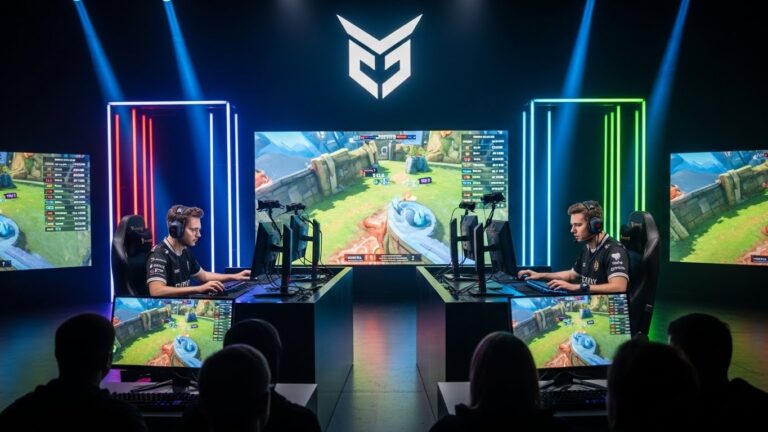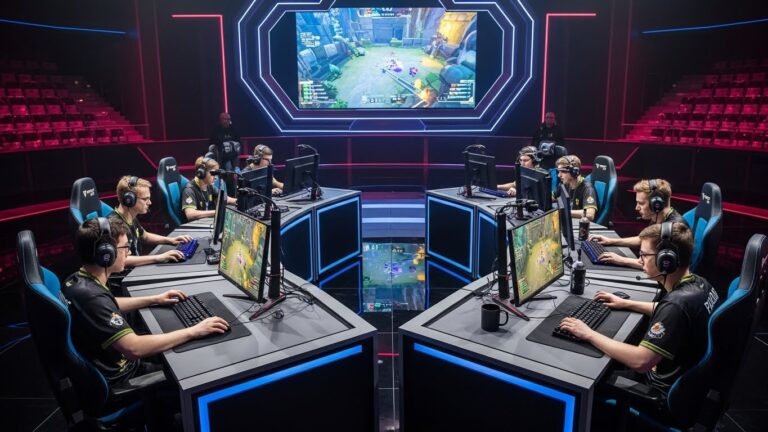
Esports, once a niche subculture, has now exploded into a global industry. The rise of competitive gaming has reshaped not only the video game industry but also entertainment, media, and even the way we view traditional sports. Whether it’s a League of Legends match with millions of viewers or a Fortnite battle royale tournament with record-breaking prize pools, esports has redefined what it means to be a “professional gamer.” In this blog post, we will dive into the origins, growth, influence, and future of esports, examining how it has evolved into a multi-billion-dollar industry and a cultural powerhouse that impacts millions of people worldwide.
The Origins of Esports: A Competitive Gaming Genesis
The story of esports is intricately linked to the history of video games themselves. Competitive gaming dates back to the early days of arcade games in the 1970s, but it was the 1990s that saw the birth of organized tournaments and professional play. The term “esports” may not have existed then, but players were already forming communities around their favorite games, competing for high scores, and challenging one another in regional tournaments.
The Dawn of Competitive Gaming in the 1990s
In the 1990s, the world of competitive gaming began to take shape. One of the earliest and most significant tournaments was the Red Annihilation tournament for the game Quake in 1997. This was one of the first large-scale, professional esports events, and it set the stage for the years to come. The tournament attracted a global audience, with the winner, Dennis “Thresh” Fong, taking home a Ferrari as part of his prize. Such high-stakes rewards for competitive players gave esports its first taste of the glamorous world that it would later become known for.
Around the same time, another important development occurred in South Korea. The nation’s government began to recognize esports as a viable form of entertainment. With StarCraft as the centerpiece of South Korean gaming culture, players began to achieve celebrity status, and professional gaming became a mainstream activity. South Korea built dedicated esports arenas, aired gaming matches on national TV, and created leagues that would serve as the foundation for esports as we know it today.
The Global Expansion of Esports: A Mainstream Phenomenon
By the early 2000s, esports was no longer just a hobby for a small group of passionate gamers. It had evolved into a global phenomenon, driven by advances in online gaming, the rise of broadband internet, and the advent of streaming platforms. Competitive gaming now had an audience far beyond local communities, and the appeal of esports was growing exponentially.
The Role of Online Platforms and Streaming Services
The turning point for esports came with the rise of online gaming platforms and streaming services. By the mid-2000s, games like World of Warcraft, Counter-Strike, and Warcraft III became hugely popular among competitive gamers, and players began to organize tournaments. But it was the launch of Twitch in 2011 that truly changed the game. Twitch, a live streaming platform dedicated to gaming content, enabled gamers to broadcast their play to a worldwide audience in real-time.
With Twitch’s rise in popularity, gamers were no longer just playing games—they were entertaining millions of viewers. Streamers built massive followings, and games like League of Legends and Dota 2 became the cornerstone of esports competition. By providing a platform for both professional competitions and casual gameplay, Twitch became the epicenter of esports culture.
The ability to watch games live, interact with players, and see professional-level competition from anywhere in the world created a sense of community among viewers and players alike. Esports was no longer confined to niche events; it had become an entertainment format with mainstream appeal.
The Growth of Esports Organizations
With the increasing popularity of esports, teams and organizations began to form around popular games. The rise of esports leagues, such as the League of Legends Championship Series (LCS) and Call of Duty World League, created a structured environment for professional gamers. Teams began to emerge with sponsorships, and players were able to make a living off of their gaming skills.
Organizations such as Cloud9, Team Liquid, and SK Telecom T1 became household names in esports, often competing in global tournaments and earning substantial sponsorship deals with major companies. As these teams grew in size and visibility, esports started to feel more like traditional sports leagues, with players, coaches, analysts, and managers all working to create a winning formula.
The Economic Boom of Esports: Sponsorships, Merchandise, and Streaming Revenue
The global explosion of esports didn’t just change the way people played games—it transformed gaming into an economic powerhouse. Esports has created a thriving ecosystem that generates billions of dollars in revenue annually. From sponsorship deals with top-tier brands to merchandise sales and advertising revenue, the financial impact of esports is undeniable.
Sponsorships and Brand Involvement
Esports sponsorships have played a significant role in fueling the industry’s growth. Top-tier companies, including Intel, Coca-Cola, Red Bull, and BMW, have all invested heavily in esports, seeing it as an attractive way to engage with younger, tech-savvy audiences. These partnerships not only provide financial support for tournaments but also help to boost the profiles of esports players and teams.
In addition to big-name sponsors, tech companies like NVIDIA, Logitech, and Corsair have been major players in esports, supplying equipment such as gaming peripherals, graphics cards, and gaming chairs. These companies understand that the esports community is a passionate and dedicated market that can drive their sales, making esports an important part of their marketing strategy.
Prize Pools and Competitive Rewards
One of the most noticeable economic aspects of esports is the prize pools offered in competitive tournaments. Prize pools for some major tournaments now exceed millions of dollars, attracting the best players from around the world. For example, Dota 2’s International tournament has become synonymous with jaw-dropping prize pools, with the 2019 event offering more than $34 million in prizes.
These large prize pools have made professional gaming a realistic career choice for many talented players. The financial rewards, combined with sponsorship opportunities, have turned esports into a profession that rivals traditional sports in terms of earnings potential. Players who perform well in top-tier tournaments can earn significant salaries, endorsement deals, and prize money.
The Impact of Streaming Revenue
Streaming revenue, particularly from platforms like Twitch and YouTube Gaming, has become one of the biggest sources of income for both players and tournament organizers. Content creators can monetize their streams through ads, subscriptions, and donations, while tournament organizers make money from broadcasting rights and sponsorships.
Twitch, for example, generates revenue by allowing companies to advertise on streams, and streamers themselves share in that revenue through their channels. Many professional players have used their streaming platforms to build dedicated fanbases and generate additional income, leading to the rise of full-time streamers who have turned gaming into a profitable career.
Merchandise and Fan Engagement
Merchandise sales have also become a major revenue stream in the esports industry. From jerseys to limited-edition collectibles, fans eagerly purchase team and player-related merchandise to show their support. The high level of fan engagement and loyalty in esports has created a new type of fandom, where fans not only watch the games but also actively participate in supporting their favorite players and teams financially.
Merchandise sales have become integral to the identity of esports organizations. Fans proudly wear jerseys with their favorite team’s logo, and they’re often willing to pay a premium for exclusive items, such as autographed posters or limited-edition in-game skins.
The Rise of Esports as a Global Cultural Force
Esports has grown into much more than just a competitive activity—it has become a significant cultural force. With millions of fans worldwide, esports now plays a central role in global entertainment, influencing pop culture, music, and even fashion.
The Integration of Esports into Popular Culture
Esports has found its place in the mainstream, influencing music, fashion, and traditional sports. Iconic players like Faker from League of Legends and Ninja from Fortnite have become global celebrities, appearing in advertisements, attending events, and even collaborating with pop culture icons. Esports has infiltrated popular media, with TV shows, documentaries, and movies about gaming and professional players gaining traction.
For example, the Netflix documentary series The Last Dance about Michael Jordan and the Chicago Bulls was not just a sports phenomenon; it also inspired esports fans to view professional gaming through the lens of athletes competing at the highest level. The show drew comparisons between the intense mental and physical training of traditional athletes and the dedication of esports players.
Additionally, esports is now being embraced by the music industry. Events such as League of Legends World Championships have featured live performances from major music artists, including Imagine Dragons and The Chainsmokers, who have brought music and gaming together in an unprecedented way.
Esports and Traditional Sports Convergence
Esports has also begun to overlap with traditional sports, with numerous traditional sports organizations and athletes investing in gaming. Major football clubs like Paris Saint-Germain, FC Barcelona, and Manchester City have launched their own esports divisions, creating competitive teams to play FIFA, League of Legends, and other popular games. This convergence of esports and traditional sports signals a growing acceptance of gaming as a legitimate sport in its own right.
The Future of Esports: Boundless Opportunities
The future of esports looks incredibly promising. With the increasing popularity of mobile gaming, the advancement of VR and AR technologies, and the potential for esports to become part of the Olympic Games, the opportunities for growth seem limitless. As the technology behind gaming continues to evolve, so too will the scope of esports competitions and the ways in which fans interact with their favorite teams
About the Author