In the fast-paced world of esports, where every match can spark excitement, controversy, and fan devotion, social media has become a fundamental tool for building brand identities, engaging with fans, and growing an international presence. What once was a space for sharing personal updates or memes has now evolved into a global stage for brands, teams, players, and tournaments to cultivate massive audiences and build loyal fanbases.
For esports, social media is not just a supplement to the game itself—it is an integral part of the ecosystem. From attracting sponsorships to fostering community interaction, the influence of social platforms like Twitter, Instagram, YouTube, TikTok, and Twitch is undeniable. In this blog post, we’ll delve into how social media has become an essential component of esports marketing and the strategies that players and teams use to harness its power.
1. Building a Global Fanbase
One of the most significant aspects of social media is its ability to break down geographical barriers. Esports players and teams no longer rely solely on local fanbases. With a presence on platforms like Twitter and Instagram, esports personalities can connect with fans from all corners of the world. The reach of these platforms is global, meaning that esports teams can develop communities in Asia, Europe, North America, and beyond, without the need for physical presence in those regions.
Direct Engagement with Fans
Esports fans are highly engaged on social media, with many following their favorite teams, players, and tournaments across multiple platforms. This direct engagement creates an immediate feedback loop, where fans can interact with their heroes, share content, and participate in conversations that shape the narrative of the esports scene. Players post behind-the-scenes content, personal stories, and gameplay tips, which humanizes them and strengthens their connection with the audience.
Teams and organizations can interact in real-time with fans through live Q&A sessions, polls, and comments. This fosters a community feel, making fans feel like they are part of the journey, not just passive viewers. This level of engagement helps fans feel more personally invested in the players they support, deepening their emotional connection to the team and the game.
2. Marketing and Sponsorships in Esports
As esports has matured, it has attracted major brands from industries like technology, consumer goods, and streaming platforms. Social media plays a crucial role in attracting sponsorships, as it allows teams and players to showcase their reach and engagement metrics to potential partners. Brands want to tap into the young, tech-savvy demographic that forms the backbone of esports, and social media offers a direct line to this audience.
Sponsorship and Product Integration
Esports teams and streamers often integrate sponsors directly into their content. For example, a popular streamer might promote a specific brand of headphones during their streams or share an exclusive partnership deal via Instagram stories. These types of partnerships benefit both the sponsor and the esports entity, providing exposure to a highly engaged audience. For example, Red Bull, Monster Energy, and Nike have established deep-rooted partnerships with top esports teams, often using social media platforms to promote collaborative campaigns.
Influencers as Brand Ambassadors
Esports players themselves have become influencers, and their social media following has significant value. High-profile players with millions of followers often act as brand ambassadors, endorsing products and participating in campaigns that promote their sponsors. These collaborations extend beyond simple product placements, and fans tend to follow their favorite players’ recommendations, giving sponsors direct access to an audience that trusts the opinions of their esports idols.
For instance, if a top-tier player like Ninja (in Fortnite) or Shroud (in CS:GO) partners with a brand for a social media campaign, the impact can be far-reaching, as millions of fans follow their every post. This translates into increased sales, brand loyalty, and enhanced visibility for sponsors, all thanks to the immense reach and influence that these players wield.
3. Live Streaming and Real-Time Interaction
Streaming platforms like Twitch, YouTube Gaming, and Facebook Gaming have become essential for esports players, teams, and tournaments. These platforms provide an opportunity to stream not only matches and tournaments but also training sessions, practice scrims, and personal vlogs. The live, real-time nature of streaming creates a more intimate and immediate relationship between players and fans.
Fan Interaction During Streams
On platforms like Twitch, the live chat feature allows fans to interact directly with streamers during broadcasts. Fans can ask questions, cheer for their favorite players, or simply join in on the community banter. This two-way communication is a significant advantage over traditional media broadcasts, where interaction is mostly one-sided. Streamers and players often use live Q&A sessions, giveaways, or fan challenges to keep their audiences engaged, turning viewers into active participants.
Exclusive Content and Subscriptions
Streamers and esports teams often offer exclusive content or behind-the-scenes access for those who subscribe to their channels or become premium members. These subscriptions, supported by platforms like Twitch Prime or YouTube Super Chat, provide an additional revenue stream for players and teams while also enhancing the fan experience. Fans feel rewarded for their loyalty with special emotes, shout-outs, and exclusive access to private streams or events.
4. Creating Content Beyond the Game
In esports, content creation goes beyond just gameplay. Players, coaches, and teams use social media to create multifaceted content that reflects their personalities, lifestyles, and values. Vlogs, behind-the-scenes footage, and training videos are popular forms of content that help humanize players and make them more relatable to fans.
Personality-Driven Content
Top esports players, especially in games like League of Legends, Dota 2, and Counter-Strike: Global Offensive, are often seen as personalities as much as athletes. Their social media accounts showcase more than just their victories in-game—they also provide glimpses into their personal lives, their hobbies, and their perspectives on gaming culture. Content like this draws in fans who are not just interested in the game itself but also in the people behind the keyboard.
Memes, Humor, and Culture
The esports community thrives on humor, memes, and in-jokes, which are frequently shared on social media. These types of posts help maintain the familiarity of the community and promote a sense of belonging among fans. Teams and players often participate in these meme culture movements, which help keep their social media presence relevant and engaging.
The casual, humorous side of esports social media helps balance out the high-stakes competition with content that is lighthearted, making players more relatable and their personalities more accessible to fans.
5. The Role of Social Media in Esports Events
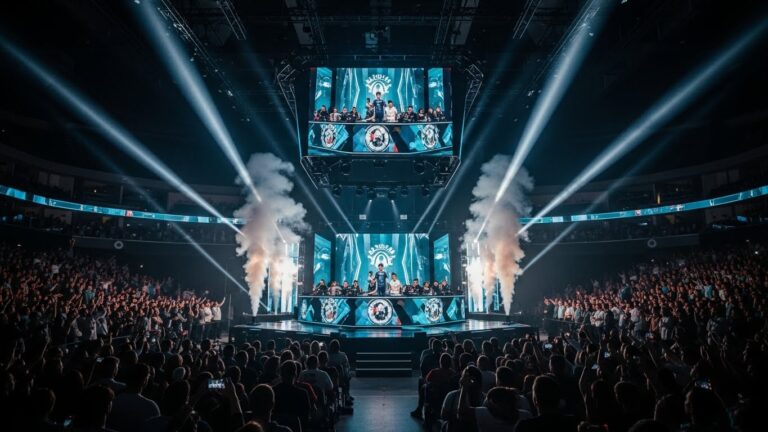
Social media has dramatically changed the way esports events are promoted, followed, and consumed. Whether it’s a small online tournament or a massive global event like the League of Legends World Championship, social media is the primary way fans stay updated on the latest results, behind-the-scenes moments, and exclusive announcements.
Event Promotions and Highlights
Esports event organizers use social media platforms to build hype leading up to tournaments. Through teasers, highlight reels, and player spotlights, they drum up excitement and anticipation for live events. During the event, live social media coverage keeps fans updated with real-time match results, player reactions, and even fan experiences.
Platforms like Twitter and Instagram are particularly effective for sharing event updates, while YouTube and Twitch host live streams and post-match analyses. This instant coverage has created a more immersive experience for fans, allowing them to follow events from anywhere in the world.
Fan Engagement During Events
Esports tournaments encourage fan interaction on social media by asking for predictions, running polls, and hosting giveaways. Fans may be invited to share their thoughts on matchups, discuss key strategies, or even suggest changes to tournament formats—all of which contribute to the lively conversation that surrounds every major esports event.
6. The Future of Social Media in Esports
As esports continues to evolve, so too does the role of social media. The integration of new platforms, augmented reality (AR), and virtual reality (VR) will likely add more layers of interaction for fans. Social media platforms may also develop more sophisticated tools for fan engagement—such as exclusive digital experiences or in-game rewards for interacting with content.
The growth of esports in mainstream media will continue to increase, and with it, the power of social media in furthering the reach and impact of esports teams, players, and events. Social media influencers, content creators, and brand partnerships will play an ever-growing role in shaping the industry’s future.
Conclusion: A Digital Powerhouse
In today’s esports industry, social media is more than just a promotional tool—it is a dynamic, interactive platform that connects teams, players, and fans in unprecedented ways. The power of social media in esports lies in its ability to cultivate a global community, provide real-time engagement, and act as a critical revenue driver through sponsorships and fan support. As the esports landscape continues to expand, social media will remain at the forefront, driving growth, fostering loyalty, and shaping the future of competitive gaming.
About the Author