Esports, short for electronic sports, has transformed from a niche hobby into a billion-dollar global industry. Once considered a pastime for a small community of gamers, esports has grown to rival traditional sports in terms of audience size, sponsorship deals, and professional recognition. The journey of esports is fascinating, marked by technological advancements, evolving gameplay strategies, and a passionate fanbase that spans every continent.
In this blog, we will explore the history of esports, its impact on culture, the dynamics of competitive gaming, and the future potential of this rapidly expanding field.
The Origins of Competitive Gaming
The roots of esports can be traced back to the 1970s and 1980s when arcade games became popular. Early competitions such as the Space Invaders Championship in 1980 laid the foundation for organized gaming tournaments. Although these events were relatively small, they created a sense of community and introduced the concept of skill-based competition in digital entertainment.
During the 1990s, the rise of PC gaming and the internet dramatically changed the esports landscape. Games like StarCraft, Quake, and Counter-Strike enabled players to compete online, connecting communities across cities and countries. South Korea became a notable hotspot for competitive gaming, where professional players could achieve celebrity status. Internet cafes, often called PC bangs, became hubs for aspiring gamers to hone their skills and participate in local competitions.
Modern Esports: A Multi-Billion Dollar Industry
Today, esports is not just a hobby; it is a lucrative industry generating billions of dollars annually. Major tournaments such as The International for Dota 2, the League of Legends World Championship, and CS:GO Majors offer prize pools that rival those of traditional sports. These events attract thousands of attendees and millions of online viewers, showcasing the immense popularity and commercial potential of esports.
Sponsorships and advertising play a significant role in the financial growth of esports. Brands from tech companies to beverage giants have invested heavily, recognizing the marketing potential in reaching a young, engaged, and tech-savvy audience. Streaming platforms like Twitch, YouTube Gaming, and more recently, platforms integrating virtual reality, have further amplified the visibility of esports, allowing fans worldwide to watch live competitions and interact with their favorite players.
The Cultural Impact of Esports
Esports has influenced culture in multiple ways, from fashion to social dynamics. Professional players are not just athletes; they are influencers who shape trends in gaming hardware, apparel, and online communication. Gaming organizations have become brands in their own right, with merchandise, fan clubs, and dedicated social media followings.
Moreover, esports has helped break down cultural barriers. Players from different countries compete together in international tournaments, fostering a sense of global community. This cross-cultural interaction has also helped challenge stereotypes about gaming, proving that esports requires dedication, strategy, teamwork, and mental agility comparable to any traditional sport.
The Role of Technology in Competitive Gaming
The rise of esports is inextricably linked to technological advancements. High-speed internet, powerful gaming PCs, and sophisticated software have transformed the way competitions are organized and experienced. Advanced streaming technology allows for real-time broadcasting with high-definition visuals and instant replay features, enhancing the viewer experience.
Artificial intelligence and analytics tools have also changed the way players prepare for competitions. Teams use data analysis to study opponents’ strategies, optimize gameplay, and improve training regimens. This intersection of technology and competition underscores the complexity of modern esports and the intellectual demands placed on professional players.
Esports Genres and Popular Games
Esports is not limited to a single type of game. It encompasses a wide variety of genres, each with unique competitive dynamics and fan communities. Some of the most prominent genres include:
Multiplayer Online Battle Arenas (MOBAs)
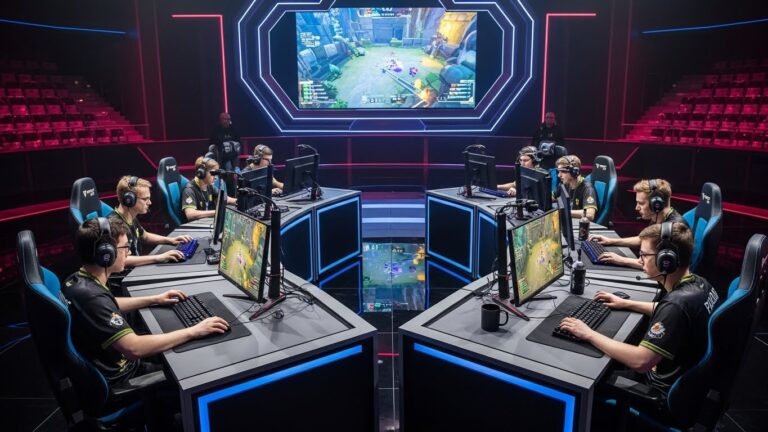
Games like League of Legends and Dota 2 fall under this category. MOBAs require teamwork, strategy, and quick decision-making. Professional matches often last between 30 to 60 minutes, demanding intense focus from players and coaches.
First-Person Shooters (FPS)
FPS games, such as Counter-Strike: Global Offensive and Call of Duty, test a player’s reflexes, accuracy, and tactical planning. These games emphasize fast-paced action and strategic positioning, making them highly engaging for both players and spectators.
Real-Time Strategy (RTS)
RTS games like StarCraft II challenge players to manage resources, build armies, and outmaneuver opponents. These games are intellectually demanding and reward long-term strategic thinking.
Battle Royale and Survival Games
Games such as Fortnite and PUBG have popularized the battle royale format, where players compete to be the last one standing. These games combine survival instincts with combat skills, creating unpredictable and thrilling competitive scenarios.
Sports Simulation Games
Titles like FIFA and NBA 2K bring traditional sports into the digital realm. Players simulate real-world sports matches, blending real-life athletic knowledge with gaming skill.
The Professional Player’s Journey
Becoming a professional esports player is a demanding path that requires immense dedication and skill. Most professionals begin with casual gaming, gradually advancing through local tournaments, online ladders, and amateur leagues. Success in these stages often attracts the attention of esports organizations, who may offer contracts, salaries, and sponsorship opportunities.
Training regimes for professional players are rigorous. Daily practice can exceed eight hours, including individual skill improvement, team coordination exercises, strategy analysis, and mental conditioning. Many teams employ coaches, analysts, and sports psychologists to ensure peak performance. This professional structure mirrors traditional sports organizations, emphasizing that esports is not merely recreational but a serious career.
Tournaments, Leagues, and Global Competitions
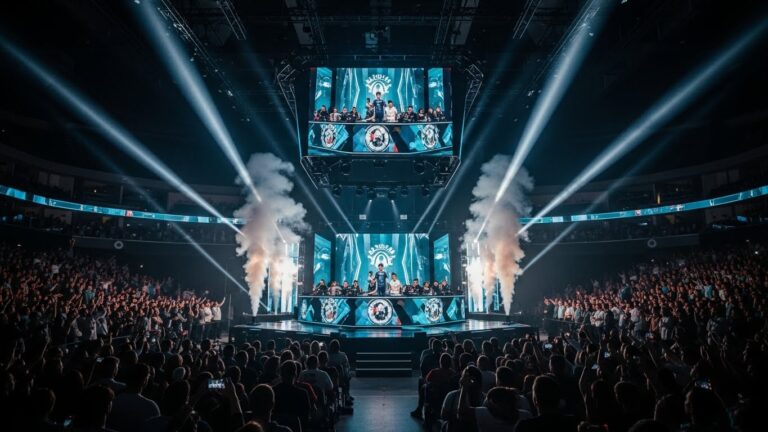
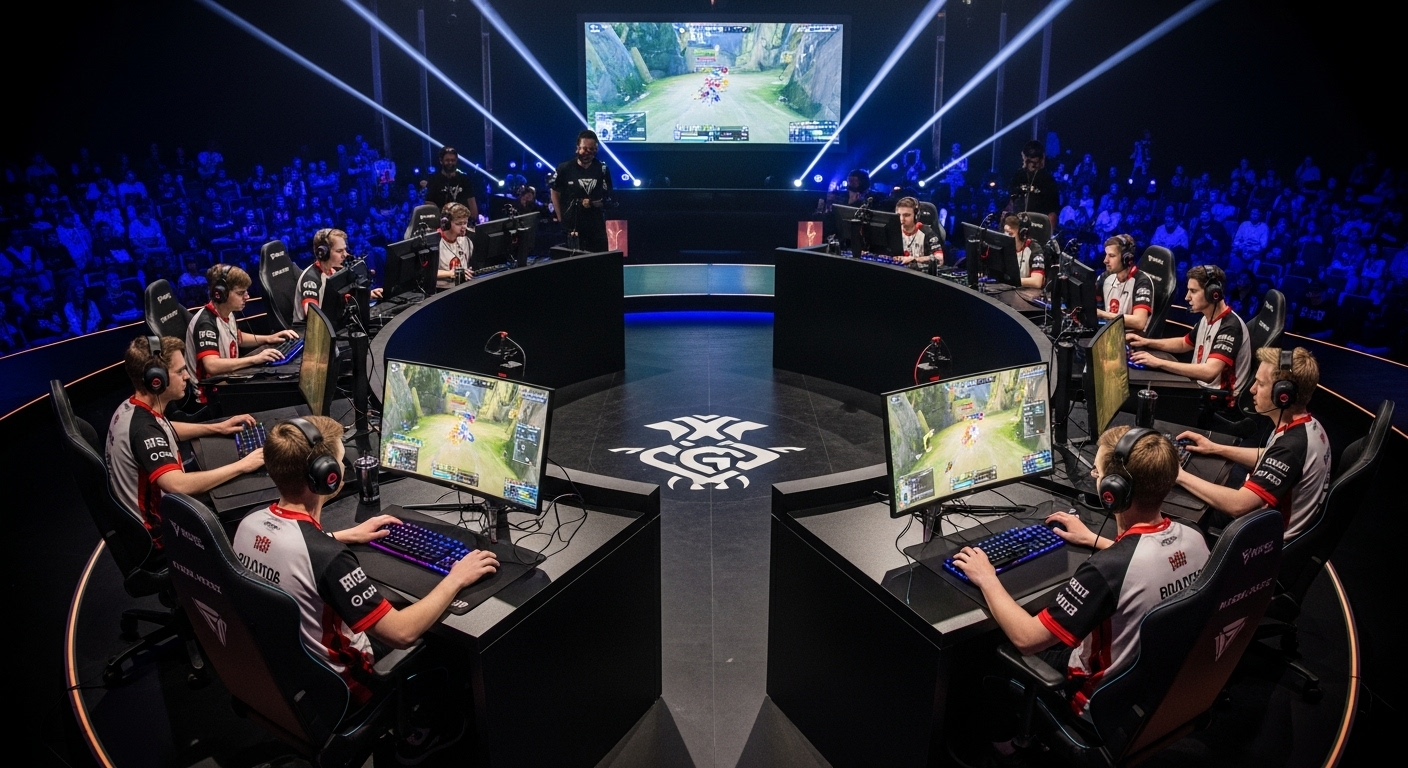
Esports tournaments are diverse, ranging from small local events to massive international championships. Organizations like ESL, Riot Games, and Valve host annual competitions that attract millions of viewers. These events often feature elaborate productions, including live audiences, commentaries, and celebrity appearances, highlighting the spectacle of competitive gaming.
Leagues such as the Overwatch League and the Call of Duty League have introduced city-based franchise systems, similar to traditional sports leagues. This approach enhances fan loyalty, encourages local community engagement, and professionalizes esports further.
Esports and Education
The growth of esports has extended into educational systems, with universities offering scholarships and programs for competitive gaming. Esports programs provide students with opportunities to develop strategic thinking, teamwork, leadership, and technical skills. Academic research on esports also explores topics like game design, digital culture, and the psychological effects of competitive gaming.
Moreover, educational esports initiatives aim to introduce younger audiences to structured gameplay, teaching digital literacy and healthy gaming habits. These programs help legitimize esports as an intellectual and cultural pursuit rather than just entertainment.
Challenges Facing the Esports Industry
Despite its growth, esports faces several challenges that must be addressed for sustainable development. Player burnout is a significant concern, as intense training schedules and high-pressure competitions can lead to mental and physical health issues. The industry also grapples with issues such as cheating, toxicity in online communities, and unequal representation of genders and regions.
Monetization models are another challenge. While sponsorships, streaming revenue, and prize pools drive growth, many players and smaller teams struggle to achieve financial stability. Ensuring equitable pay and support for grassroots talent is essential for the long-term health of esports.
The Future of Esports
The future of esports looks promising, with several trends poised to shape its trajectory. Virtual reality (VR) and augmented reality (AR) technologies have the potential to create more immersive and interactive experiences for players and audiences. Cloud gaming could further democratize access, allowing players to compete at high levels without expensive hardware.
Esports is also likely to continue expanding into mainstream media, with tournaments featured on television and collaborations with traditional sports organizations. Additionally, the rise of mobile esports is making competitive gaming accessible to a broader demographic, particularly in regions where PC and console gaming are less prevalent.
Esports as a Career Path
Esports offers a variety of career paths beyond professional play. Analysts, coaches, commentators, event organizers, and content creators all contribute to the ecosystem. The growth of esports-related media and streaming platforms has created new opportunities for employment and entrepreneurship.
For aspiring professionals, a combination of skill, dedication, networking, and personal branding is essential. Successful players not only excel in gameplay but also cultivate a public persona, engage with fans, and maintain professionalism on and off the digital stage.
Esports and Global Communities
Perhaps one of the most remarkable aspects of esports is its ability to build global communities. Fans connect across borders, sharing strategies, discussing matches, and celebrating victories. Online forums, social media groups, and live-streaming platforms have created spaces for interaction and camaraderie.
Esports has also proven to be inclusive, accommodating players of different ages, genders, and abilities. Adaptive gaming technologies have enabled differently-abled players to compete, further broadening the reach and impact of competitive gaming.
Conclusion: The Enduring Appeal of Esports
Esports has grown far beyond its origins in arcades and PC bangs. It is a multifaceted industry encompassing competition, culture, technology, and community. The rise of professional leagues, international tournaments, and educational programs underscores the legitimacy and influence of esports.
As technology evolves and new generations embrace digital culture, esports is poised to continue its upward trajectory. Its appeal lies not only in entertainment but also in its ability to foster skill development, teamwork, and global connections. For millions of players and fans around the world, esports represents more than a game—it is a passion, a profession, and a shared experience that continues to redefine the boundaries of competitive sports.
About the Author