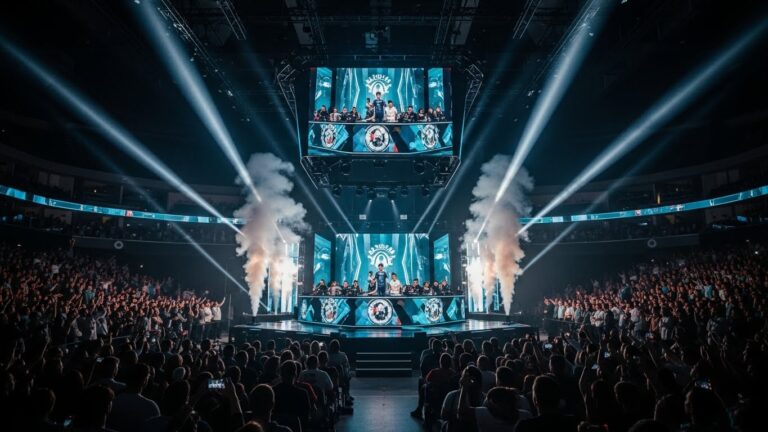
Esports, short for electronic sports, has rapidly evolved from casual competitions between friends to a massive global phenomenon that captivates millions of fans and players alike. Over the past few decades, competitive gaming has transformed into a multibillion-dollar industry with professional leagues, worldwide tournaments, and streaming platforms that reach audiences far and wide. Whether you are watching a thrilling League of Legends match or cheering for your favorite team at The International in Dota 2, esports is quickly becoming as culturally significant as traditional sports like football and basketball.
In this blog post, we’ll dive into the rise of esports, explore its impact on gaming culture, examine the economics driving the industry, and consider the future of this explosive sector.
The Genesis of Esports: From Casual Play to Global Competition
Esports didn’t begin in the glitzy arenas of modern-day tournaments or live streaming platforms; it started in humble beginnings, when enthusiasts gathered in arcades, living rooms, and basements to compete against each other. Early competitive gaming dates back to the late 1970s and early 1980s, with simple games like Pong and Space Invaders becoming the first competitive experiences for players. These early titles laid the groundwork for what would eventually blossom into the organized, large-scale esports industry we see today.
However, it wasn’t until the late 1990s that esports as we know it began to take shape. South Korea, in particular, became a pioneer in the development of competitive gaming. Games like StarCraft and Warcraft turned into national obsessions, with professional tournaments and television broadcasts bringing the competition to millions of viewers. By 2000, the country had established dedicated esports leagues, and players could earn fame and sponsorships. This model would be replicated globally in the years to follow.
The real game-changer came with the rise of the internet, as online gaming allowed players from around the world to compete against each other. Platforms like Battle.net, Steam, and others helped bring games such as Counter-Strike and World of Warcraft to the masses, creating the foundation for esports to become a truly global phenomenon.
The Growth of Esports: A Multi-Billion Dollar Industry
In the last two decades, esports has grown exponentially, evolving into a multi-billion-dollar industry with a diverse range of revenue streams. What was once a niche community has turned into a global industry with millions of fans, players, and professional organizations. But what exactly has fueled this explosive growth?
Television and Online Streaming Platforms
The popularity of esports has been significantly bolstered by the rise of online streaming platforms like Twitch, YouTube Gaming, and Facebook Gaming. These platforms enable fans to watch their favorite teams and players compete live from the comfort of their homes, creating a community-driven ecosystem where viewers can interact with content creators in real-time. Twitch alone boasts more than 15 million daily active users, and esports content accounts for a large portion of that viewership.
In addition to online streaming, major television networks and digital media outlets have begun to take notice of esports. ESPN, TBS, and other traditional networks now broadcast live esports tournaments, further legitimizing the industry and bringing it to mainstream audiences. Esports events are even broadcast in prime-time slots, similar to traditional sports, with millions tuning in to watch.
Sponsorships and Advertising
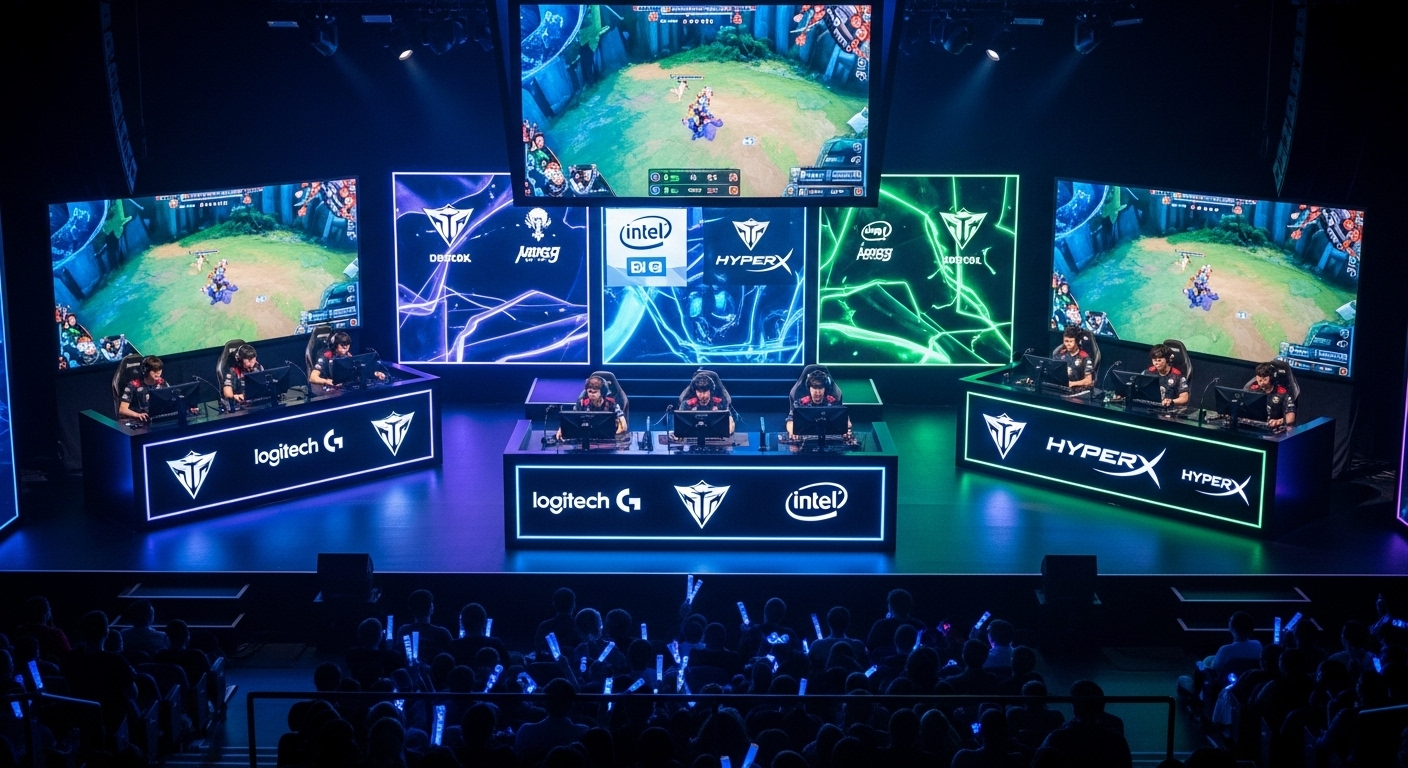
Sponsorships have played a crucial role in esports’ rapid rise. Much like traditional sports, esports tournaments and teams are sponsored by global brands eager to reach the coveted demographic of tech-savvy, younger viewers. Companies like Intel, Coca-Cola, Nike, and Mercedes-Benz have all partnered with esports organizations, pumping millions of dollars into the industry. The money generated from sponsorships is not only used to fund tournaments but also helps esports players and teams build their brands, travel to events, and invest in training.
Esports also offers an innovative advertising platform, where brands can integrate their products and messages into the gaming experience. Advertisements appear during streams, in-game sponsorships, and even in the form of virtual product placement within game worlds, allowing companies to connect with a highly engaged audience.
Merchandise and Ticket Sales
Another significant revenue source for esports comes from merchandise and ticket sales. Fans flock to tournaments around the world to witness top-tier gameplay in person, and ticket sales for these events have risen dramatically in recent years. Some esports arenas, like the Barclays Center in New York City, regularly host sold-out events, with tickets ranging from a few dollars for general admission to hundreds of dollars for VIP experiences. The popularity of these events is a testament to the growing demand for live esports experiences.
Merchandise also plays a crucial role in driving revenue. Esports teams and players sell branded apparel, gear, and other products that allow fans to show their support. This creates a strong sense of community and loyalty among fans, who are willing to invest in team jerseys, hats, and accessories as a form of identity.
The World of Competitive Esports: Players, Teams, and Tournaments
At the heart of esports are the players who compete at the highest level, dedicating hours of practice and refining their skills to be the best in the world. But professional esports is not just about individual talent; teamwork and collaboration play an equally important role.
The Life of an Esports Athlete
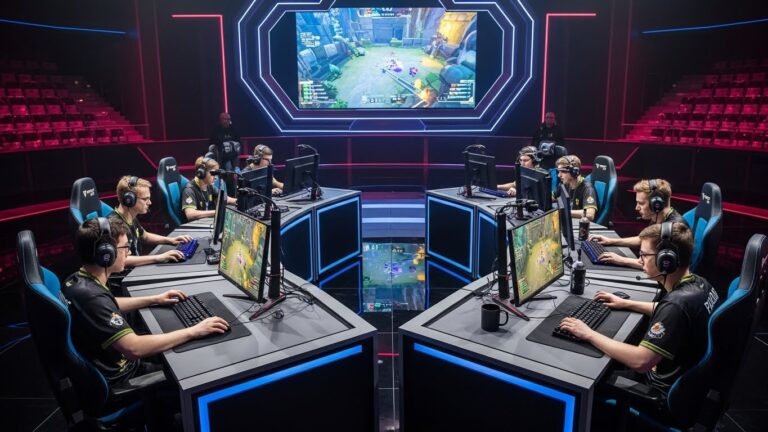
Professional gamers, much like athletes in traditional sports, train intensely to hone their skills. These players may spend anywhere from 8 to 12 hours a day practicing, reviewing past performances, and strategizing for upcoming tournaments. Many top-tier players are signed to esports organizations that provide coaching, team management, and sponsorship deals, creating an environment that mirrors professional sports teams.
The life of an esports athlete also comes with immense pressure. Players must stay in peak mental condition, constantly adapt to the ever-changing dynamics of competitive games, and deal with the intense scrutiny from fans and media. The mental and physical toll can be significant, and many players experience burnout or retire young after only a few years of professional play.
Esports Teams and Organizations
Esports teams, like traditional sports teams, are made up of talented individuals who compete together for a common goal: victory. Some of the most successful esports organizations include Cloud9, T1, G2 Esports, and Team Liquid. These teams field players in various games like League of Legends, Dota 2, Counter-Strike: Global Offensive, and Valorant, often competing in multiple leagues across different regions.
Esports organizations are more than just teams; they are full-fledged businesses. They manage player contracts, marketing, sponsorship deals, and revenue generation, while also handling operations like team training, recruitment, and travel logistics. The competitive nature of esports means that teams are constantly evolving, searching for the next star player to lead them to victory.
Major Esports Tournaments
The world of esports is defined by its major tournaments, where top teams from around the world compete for glory and a share of massive prize pools. Some of the most prestigious esports tournaments include:
- The International (Dota 2): Known for having the largest prize pool in esports history, The International draws millions of viewers every year. The event features the best Dota 2 teams from across the globe and has become a cultural phenomenon in the gaming world.
- League of Legends World Championship: League of Legends is one of the most popular esports games worldwide, and its annual World Championship is a must-watch event for millions of fans. The competition features the best teams from various regions, and the event is broadcasted across multiple platforms in numerous languages.
- CS:GO Major Championships: Counter-Strike: Global Offensive (CS:GO) has been a staple in the esports community for years. The CS:GO Major Championships bring together the top teams in the world to compete for the title of best in the world, with prize pools that often exceed $1 million.
These tournaments are not only significant in terms of the level of competition but also for the entertainment value they provide. They feature high-stakes gameplay, emotional moments, and unforgettable storylines that captivate audiences both online and in-person.
The Future of Esports: Expansion, Innovation, and Global Integration
As esports continues to grow, it is likely to become even more integrated into mainstream culture. The potential for innovation in esports is immense, particularly with the advent of new technologies like virtual reality (VR), augmented reality (AR), and artificial intelligence (AI).
Virtual Reality and Augmented Reality
VR and AR hold the promise of creating even more immersive esports experiences. While esports tournaments are currently broadcasted in two-dimensional formats, VR and AR could bring a more interactive element to viewing. Spectators could potentially enter virtual arenas, sit in the front row, and even experience the games from the players’ perspective. This could dramatically change the way fans engage with the esports scene, making it more dynamic and participatory.
Mainstream Media Integration
As esports becomes a more established form of entertainment, it is expected that traditional media will continue to incorporate esports content into their programming. We may see more esports-specific TV channels, news outlets, and analysis programs, similar to the coverage of traditional sports.
Increased Investment and Global Growth
Investment in esports is expected to continue growing, with companies looking for new ways to capitalize on its increasing popularity. This could mean greater involvement from mainstream brands, more international tournaments, and the expansion of esports into previously untapped markets. As esports enters new territories, especially in regions like Africa, South America, and the Middle East, the audience for competitive gaming will continue to grow.
About the Author